The Aristocratic Portrait: Defining Status & Legacy
Archaic Greek aristocrats extolled it as an embodiment of their class and refinement, while in the after- math of the Persian Wars the Athenians condemned it as ...
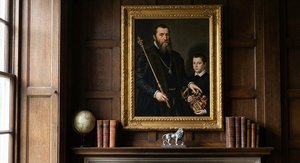
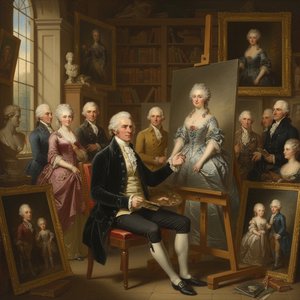
For centuries, the aristocratic portrait served as more than a mere likeness; it was a carefully constructed declaration of power, lineage, and cultural refinement. Before the advent of photography, these paintings were the primary means by which noble families projected their status onto the world – and posterity. Commissioned not simply to record features but to *create* an enduring image, portraits became potent symbols of dynastic ambition and social standing. The very act of commissioning a portrait was a display of wealth, requiring significant investment in both artist and materials. The choice of pose, attire, setting, and even the inclusion of symbolic objects were all meticulously considered to convey specific messages about the sitter’s virtues, achievements, and aspirations. Early examples often depicted subjects in formal court dress, emphasizing their connection to the ruling monarch and highlighting their participation in the rituals of power. As styles evolved, however, portraits began to reflect a more nuanced understanding of individual character, moving beyond rigid formality towards greater psychological realism.
Rococo Leisure: Gardens, Salons, and the Pursuit of Pleasure
 L orgueilleux
Admire Jean Antoine Watteau’s L'Orgueilleux – a quintessential Rococo masterpiece depicting an elegant outdoor gathering. Explore OriginalUniqueArt’s stunning reproductions and discover similar artists!
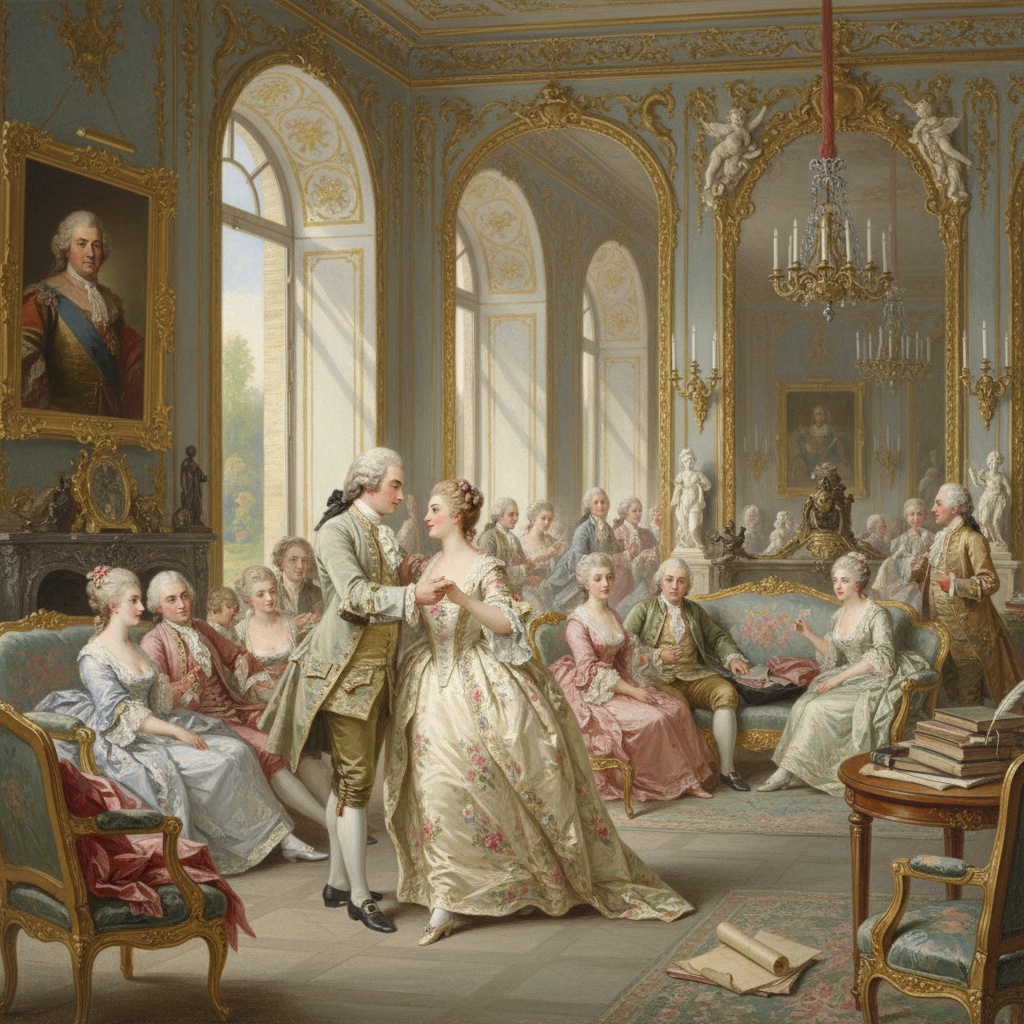
The 18th century witnessed the flourishing of Rococo painting, an aesthetic movement born from the French aristocracy’s rejection of the grandeur and solemnity of the Baroque. This was a world devoted to elegance, intimacy, and *joie de vivre*. Paintings of this era rarely depict scenes of weighty political or religious significance; instead, they celebrate the pleasures of leisure – idyllic garden parties, elegant salon gatherings, and playful encounters filled with flirtation and wit. Artists like Jean-Antoine Watteau captured these moments with a delicate touch, employing soft colors, graceful brushstrokes, and an air of refined sensuality. L’Orgueilleux, for example, embodies the Rococo spirit perfectly: a group of elegantly dressed figures engaged in polite conversation amidst a lush outdoor setting, their expressions hinting at hidden desires and social complexities. The emphasis shifted from overt displays of power to subtle gestures of refinement and charm. These paintings weren't simply representations of aristocratic life; they were idealized visions designed to evoke a sense of beauty, harmony, and carefree indulgence.
Goya’s 'The Parasol': A Glimpse Behind the Facade of Nobility
Francisco Goya’s “The Parasol”, while rooted in the Baroque tradition, offers a fascinatingly ambiguous glimpse beneath the polished surface of aristocratic society. Painted around 1771, it depicts the Duchess of Alba as the central figure, casually reclining in a garden with her lover. While seemingly a portrait celebrating leisure and romance, the painting is imbued with a subtle undercurrent of tension and defiance. The Duchess’s direct gaze challenges conventional notions of female modesty, while the inclusion of her lover – and the suggestive symbolism surrounding them – hints at scandal and transgression. Goya's masterful use of color and light creates a dramatic atmosphere, drawing attention to the figures’ emotional state and hinting at the complexities of their relationship. “The Parasol” is not merely a portrait; it’s a psychological study that reveals the vulnerabilities and desires hidden beneath the veneer of aristocratic respectability.
Russian Aristocracy in Art: Rokotov and the Psychology of Power
 Portrait of Senator Count Artemy Vorontsov , after
Admire Rokotov's 'Portrait of Senator Count Artemy Vorontsov,' a distinguished 1768 portrait showcasing Russian aristocracy. Explore psychological realism & masterful detail.
Across Europe, artistic conventions varied, reflecting unique cultural contexts. In 18th-century Russia, portraiture took on a distinct character under artists like Fyodor Stepanovich Rokotov. His “Portrait of Senator Count Artemy Vorontsov”, painted in 1768, exemplifies the Russian aristocratic ideal: dignified, intelligent, and subtly powerful. Unlike the flamboyant displays of wealth common in Western European portraits, Rokotov’s work emphasizes psychological realism. The sitter's gaze is introspective, conveying a sense of inner strength and quiet authority. Rokotov eschewed elaborate backgrounds and ornate details, focusing instead on capturing the essence of his subject’s personality. This emphasis on character – rather than mere status – reflects a growing appreciation for individual merit within the Russian aristocracy.
Courtly Elegance: Duprà & Van Loo – Painters to European Royalty
 georgio domenico duprà
Discover Giorgio Domenico Duprà (1689-1770), an Italian Rococo master renowned for elegant court paintings & portraits of European nobility like Marie Antoinette and the House of Savoy. Explore his detailed style, influenced by French portraiture, at
The patronage of royal courts played a crucial role in shaping artistic styles throughout Europe. Giorgio Domenico Duprà, an Italian Rococo master, became renowned for his elegant portraits of European nobility, including Marie Antoinette and the House of Savoy. His detailed style, influenced by French portraiture, captured the opulence and refinement of court life with meticulous precision. Similarly, Louis-Michel van Loo served as a court painter to both Spain and France, creating iconic images of royalty like Louis XV and Philip V. Van Loo’s portraits were characterized by their graceful compositions, flattering depictions of his sitters, and skillful use of color and light. These artists weren't simply documenting the appearance of royalty; they were actively constructing a carefully curated image designed to reinforce their power and legitimacy.
Beyond Versailles: Antoine de Favray and Representations of Ottoman Elites
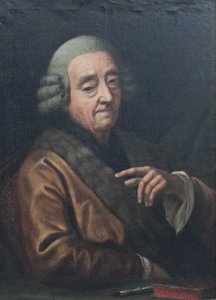 Antoine de Favray
Antoine de Favray (1706-1798): French Orientalist painter renowned for captivating portraits of Ottoman & Maltese nobility. Discover 18thC Turkish life and elegant court scenes.
While much of Rococo portraiture focused on European aristocracy, artists like Antoine de Favray expanded the scope of this genre by depicting the nobility of other cultures. Favray spent a significant portion of his career painting portraits of Ottoman and Maltese elites in the 18th century, offering a rare glimpse into Turkish life and court scenes. His captivating paintings reveal a sophisticated understanding of Ottoman culture, capturing the elegance and refinement of their society with remarkable detail. Favray’s work challenges conventional Western perceptions of the “Orient,” presenting a more nuanced and sympathetic portrayal of a different aristocratic world. These portraits demonstrate the power of art to transcend cultural boundaries and foster cross-cultural understanding.