Introduction: Art as a Voice – The Enduring Power of Social Critique
From the earliest cave paintings depicting hunts—perhaps reflecting anxieties about survival—to contemporary installations confronting climate change, art has always been more than mere aesthetics. It’s a mirror held up to society, a megaphone amplifying unheard voices, and a catalyst for dialogue, dissent, and ultimately, change. The impulse to comment on the human condition, to critique power structures, and to explore moral ambiguities is deeply ingrained in our species, finding its most potent expression through visual language. This exploration isn’t simply about documenting reality; it's about interpreting it, challenging perceptions, and prompting viewers to question the world around them. Throughout history, artists have employed a diverse range of techniques—from meticulous realism to biting satire—to engage with the pressing issues of their time, leaving behind legacies that continue to resonate today.
Realism's Raw Reflection: Depicting Life, Challenging Norms (19th Century)
Social realism is work produced by painters, printmakers, photographers, writers, filmmakers and some musicians that aims to draw attention to the real socio-political conditions of the working class as a means to critique the power structures behind...
The 19th century witnessed a seismic shift in artistic focus with the rise of Realism. Rejecting the idealized narratives and romanticized landscapes that had dominated previous eras, artists like Gustave Courbet and Jean-François Millet turned their attention to the everyday lives of ordinary people—the laborers, peasants, and marginalized members of society often ignored by the established art world. Courbet’s monumental canvases weren't simply depictions; they were statements. His choice of subject matter – scenes of manual labor, unglamorous rural life – was a deliberate provocation, challenging the prevailing academic standards and forcing viewers to confront uncomfortable truths about social inequality. Millet, similarly, elevated the dignity of peasant life, portraying their toil not as something shameful but as an essential part of human existence. This wasn’t merely objective observation; it was imbued with a sense of empathy and a subtle critique of the conditions that necessitated such hardship. The brushstrokes themselves became tools of social commentary – rough, unpolished textures mirroring the harsh realities they depicted. Honoré Daumier further exemplified this spirit through his lithographs, often satirical in nature but deeply rooted in observations of Parisian life, particularly the injustices within the legal system. His work, like “The Legislative Belly,” exposed corruption and hypocrisy with a sharp wit and unflinching honesty.
Satire and Irony: Exposing Follies Through Wit and Ridicule
Satire is a genre of the visual, literary, and performing arts, usually in the form of fiction and less frequently non-fiction, in which vices, follies, abuses, and shortcomings are held up to ridicule, often with the intent of exposing or shaming t...
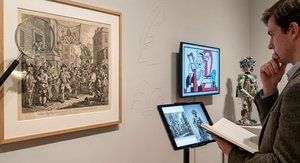
While Realism sought to depict social realities directly, satire offered a more indirect—and often more potent—form of critique. Artists employing satirical techniques used humor, irony, exaggeration, and ridicule to expose the vices, follies, and abuses of power. William Hogarth, an 18th-century English painter and engraver, is considered a master of this art form. His series of engravings, such as “South Sea Scheme,” brilliantly captured the financial mania and subsequent chaos surrounding speculative bubbles, mocking the greed and gullibility that fueled them. The intricate details within his compositions weren’t merely decorative; they were carefully chosen symbols representing specific individuals or societal trends. Satire isn't simply about making people laugh; it’s a powerful tool for social disruption, prompting viewers to question authority and challenge established norms. The strength of satire lies in its ability to disarm through humor while simultaneously delivering a scathing indictment of the status quo. It forces reflection by presenting absurdity as a mirror to reality.
Social Realism in the 20th Century: From Protest to Propaganda
The tumultuous events of the 20th century—world wars, economic depressions, and widespread social unrest—fueled a resurgence of Social Realism. This movement, however, took on new forms, often intertwined with political ideologies. In many countries, artists were commissioned by governments to create works that promoted specific narratives or glorified the working class. While some examples served as genuine expressions of solidarity, others became tools of propaganda. Artists like William Gropper in the United States used their art to expose the plight of workers and protest social injustice during the Great Depression. His cartoons and paintings often depicted scenes of poverty, unemployment, and political corruption with a raw emotional intensity. Jack Levine, another prominent American Social Realist painter, similarly critiqued modern life, focusing on themes of political corruption and religious hypocrisy. The style itself became associated with a particular aesthetic—often characterized by realistic depictions of working-class figures and scenes of struggle. However, the movement wasn’t monolithic; artists across different countries adopted diverse approaches to social commentary, reflecting their unique cultural contexts.
Beyond Representation: Abstract Art & Conceptual Approaches to Social Commentary
The 20th century also saw a shift away from representational art towards abstraction and conceptualism. While seemingly removed from direct depictions of reality, these movements weren’t devoid of social commentary. Artists began exploring the underlying structures of power, challenging traditional notions of beauty and representation. Abstract Expressionism, for example, can be interpreted as a response to the anxieties and alienation of the post-war era. The fragmented forms and chaotic compositions reflected a sense of disillusionment and existential angst. Conceptual art took this even further, prioritizing ideas over aesthetics. Artists used language, performance, and installation to engage with social issues in more direct—and often provocative—ways. The very act of questioning the definition of “art” became a form of critique, challenging the established art market and its inherent biases. This move away from traditional forms allowed artists to explore complex themes – like identity, consumerism, and environmental degradation – in new and innovative ways.
Contemporary Voices: Art as Activism and a Catalyst for Change
Today, art continues to serve as a powerful platform for social commentary, often blurring the lines between aesthetics and activism. Contemporary artists are tackling pressing issues such as climate change, racial injustice, gender inequality, and political polarization with unprecedented urgency and creativity. From large-scale installations that raise awareness about environmental destruction to performance art pieces that challenge societal norms, artists are using their work to spark dialogue, mobilize communities, and demand systemic change. The rise of social media has also played a significant role, allowing artists to reach wider audiences and bypass traditional gatekeepers. Artists like Azim Azimzade, though working earlier in the 20th century with satirical graphics challenging tradition in Azerbaijan, paved the way for this direct engagement. The power of art lies not only in its ability to reflect reality but also in its capacity to imagine alternative futures—to envision a more just and equitable world. At OriginalUniqueArt, we believe that understanding these historical precedents is crucial for appreciating the enduring legacy of social commentary in art, and for recognizing the vital role artists play in shaping our collective consciousness. Explore our collection of masterpieces today – from iconic Realist paintings to thought-provoking contemporary works—and discover how art can inspire you to question, challenge, and create a better future.