The Remix Generation: How Digital Culture Revived Pop Art’s Spirit
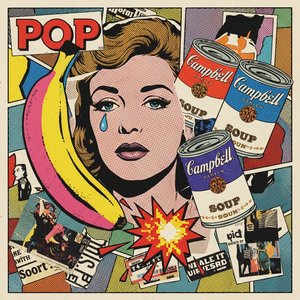
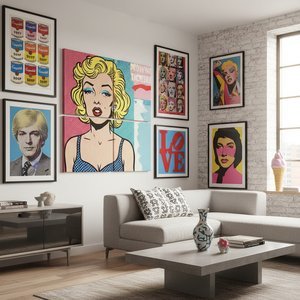
Pop Art, born from the post-war boom of consumerism and mass media, felt startlingly *new* when it burst onto the scene in the 1950s. Artists like Andy Warhol and Roy Lichtenstein dared to elevate everyday objects – soup cans, comic strips, celebrity faces – to the realm of high art, challenging traditional notions of taste and artistic value. But what happens when those once-revolutionary images become utterly commonplace, absorbed into the very fabric of our digital existence? The answer lies in a fascinating resurgence: Pop Art 2.0, a movement deeply intertwined with internet culture, meme aesthetics, and the relentless flow of information that defines the modern experience.
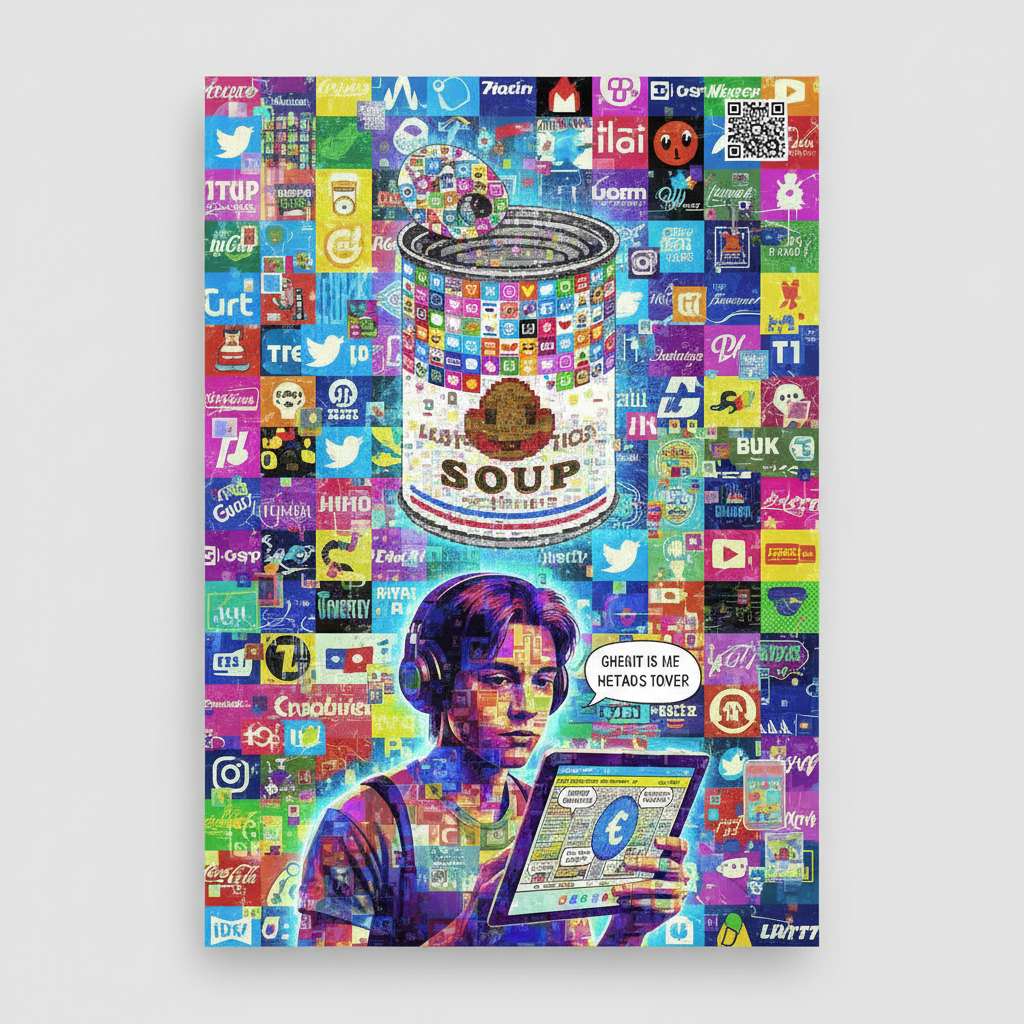
This isn’t simply a nostalgic revival; it's a recontextualization. Where Warhol used silkscreen to replicate images, today’s artists employ digital tools – filters, editing software, AI generators – to remix, distort, and reimagine visual culture at an unprecedented speed. The core spirit of Pop Art—its embrace of popular imagery, its playful irony, its commentary on consumer society—remains powerfully relevant, but it's expressed through a distinctly 21st-century lens. Think of the endlessly shared GIFs, the viral challenges, the meticulously curated Instagram feeds; these are all expressions of a remix culture that owes a profound debt to Pop Art’s pioneering spirit.
Appropriation 2.0: From Warhol's Soup Cans to Viral Memes
At the heart of both classic and contemporary Pop Art lies the concept of appropriation – borrowing, re-using, and transforming existing imagery. Warhol’s iconic Campbell’s Soup cans weren’t original creations; they were reproductions of a mass-produced product, elevated to art through repetition and scale. This act of taking something familiar and presenting it in a new context was radical for its time.
Today, appropriation has reached warp speed thanks to the internet. Memes, by their very nature, are acts of collective appropriation – images or videos that are endlessly remixed, reinterpreted, and shared across countless platforms. Artists like Cory Arcangel have brilliantly explored this dynamic, taking existing digital content—video game glitches, early computer graphics—and transforming them into compelling artworks. The legal and ethical implications of appropriation remain complex, but the artistic potential is undeniable. It’s a conversation about ownership, authorship, and the very nature of originality in an age where everything feels endlessly reproducible.
Consuming Consumption: Reflecting on Consumerism in the Age of Influencers
Pop Art emerged during a period of unprecedented economic prosperity and consumer spending. It reflected—and often critiqued—the growing obsession with material possessions and the power of advertising. Fast forward to today, and we live in an even more hyper-consumerist society, fueled by social media and influencer culture.
The way we consume has fundamentally changed. It’s no longer just about acquiring physical objects; it's about curating a personal brand, projecting an aspirational lifestyle, and seeking validation through likes and followers. Artists responding to this new reality often employ irony and satire, exposing the superficiality of influencer culture and the relentless pressure to conform. They might deconstruct advertising imagery, create digital collages that juxtapose luxury brands with everyday objects, or explore the psychological effects of constant online stimulation. The commentary is sharper, more nuanced, but the underlying theme—a critical examination of consumerism—remains powerfully resonant.
Beyond the Canvas: Post-Internet Art and the Blurring of Realities
The rise of “Post-Internet” art marks a significant shift in how artists engage with digital culture. This isn’t simply art *about* the internet; it's art that exists *within* the internet, often blurring the lines between the physical and virtual worlds. Artists working in this vein might create interactive installations, online performances, or digitally manipulated images that challenge our perceptions of reality.
The boundaries are fluid. A digital artwork can be experienced on a screen, printed out as a poster, projected onto a building, or even transformed into a virtual reality experience. This fluidity reflects the increasingly interconnected nature of our lives and the growing importance of online spaces. Artists like Petra Cortright create mesmerizing digital paintings that draw inspiration from internet aesthetics—glitch art, stock photography, and social media feeds—creating works that are both visually stunning and conceptually challenging.
Collecting Pop Art 2.0: Investing in a New Aesthetic
As with any emerging art movement, collecting Pop Art 2.0 presents unique opportunities and challenges. Unlike the established market for classic Pop Art by Warhol or Lichtenstein, this new wave of artists is still relatively under-the-radar. This means that prices are generally more accessible, but it also requires a discerning eye and a willingness to take risks.
Where do you begin? Explore online platforms dedicated to digital art, attend exhibitions featuring emerging artists, and follow curators and critics who specialize in this field. Look for works that resonate with your personal aesthetic and reflect the themes and ideas discussed above—appropriation, consumerism, internet culture. Consider supporting artists directly through their websites or social media channels. Investing in Pop Art 2.0 isn’t just about acquiring beautiful objects; it's about participating in a cultural conversation and supporting the next generation of artistic innovators.