The Illusion of Space: Mastering Scale & Proportion with Abstract Art
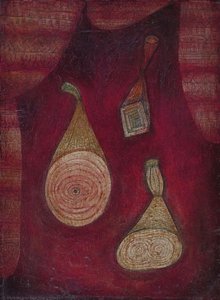 Omega 5 (Traps)
Paul Klee’s ‘Omega 5 (Traps)’ – a surreal 1927 oil painting blending abstraction & expressionism. Layered reds, symbolic forms, and unique texture create a captivating, enigmatic artwork.
For centuries, the art world has grappled with the notion of perspective – not merely as a technical skill to render depth on a flat surface, but as a psychological tool to manipulate our perception of reality. This fascination finds its most compelling application in the often-overlooked realm of small space decorating. The challenge isn’t simply *filling* a room; it's creating an experience of expansiveness where physical boundaries might suggest limitation. Abstract art, with its inherent ambiguity and visual dynamism, offers a uniquely powerful solution. We instinctively understand that larger forms command more attention, but the application within confined spaces requires a nuanced understanding of balance and proportion.
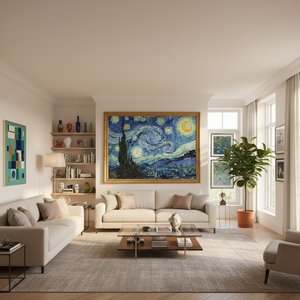
Conventional wisdom often dictates minimizing artwork size in smaller rooms, fearing overwhelm. However, this approach can inadvertently diminish impact, creating a feeling of preciousness rather than spaciousness. A single, well-chosen large-scale abstract piece acts as a focal point, grounding the space and establishing a sense of deliberate intention. Think of Mark Rothko’s color field paintings – vast expanses of hue that envelop the viewer, transcending their physical dimensions. The key is balance; artwork should occupy roughly 40-50% of available wall area in compact spaces, leaving ample ‘negative space’ for visual breathing room. This isn't about filling every inch, but rather creating a carefully considered composition where the eye can rest and wander. The psychology of perception plays a crucial role; art draws the eye beyond physical boundaries, increasing the feeling of openness. Layered textures and dynamic compositions within the abstract piece further enhance this effect, inviting contemplation and expanding the perceived volume.
Consider the work of Paul Klee, particularly his explorations of color and form in pieces like ‘Omega 5 (Traps)’. While not overtly expansive in subject matter, the layering of reds, symbolic forms, and unique texture creates a captivating, enigmatic artwork that feels far larger than its physical size. This is achieved through careful manipulation of visual weight – avoiding overly heavy or dark compositions that can feel claustrophobic. Instead, opt for artwork with lighter tones and flowing forms, allowing light to permeate the space and create an airy atmosphere.
Color Psychology for Compact Interiors: Expanding Walls with Strategic Hues
 Beyond Aesthetics: The Ascendant Role of Art Curation in Contemporary Interior Design – A Synthesis of Space, Emotion, and Personal Narrative
Elevate your home with art curation that tells *your* story. Expert guidance on sourcing, custom artwork & creating emotionally resonant interiors. Discover the power of fine art.
The power of color extends far beyond mere aesthetics; it’s a fundamental element in shaping our emotional response to environments. In smaller interiors, the right color palette can dramatically alter how a room feels – expanding it or contracting it. This isn't simply about choosing ‘light colors,’ but understanding the subtle nuances of hue and saturation. Cool colors—blues, greens, violets—tend to recede visually, creating a sense of calm and openness. These are excellent choices for smaller spaces, particularly when paired with lighter backgrounds. Think of Monet’s water lilies – soft blues and greens that evoke a feeling of boundless serenity.
Warm colors—reds, oranges, yellows—advance, adding energy and intimacy but potentially shrinking the space if overused. A sophisticated approach involves balancing cool and warm tones within the abstract artwork itself. Consider pieces that incorporate a dominant cool hue with accents of warmer shades to add depth without overwhelming. Monochromatic palettes or subtle gradients can also create a sense of serenity and spaciousness, allowing the eye to travel seamlessly across the composition. Pay attention to the undertones of colors; muted, desaturated hues often feel more expansive than bright, saturated ones. A carefully chosen abstract piece with hints of ochre or terracotta within a predominantly blue palette can add warmth and sophistication without sacrificing the feeling of openness.
Beyond Placement: Dynamic Composition & Sightlines in Small Rooms
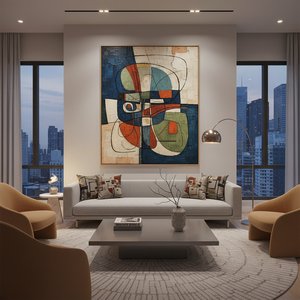 The Dynamic Dialogue: How Abstract Art Enhances Modern Interior Spaces
Discover how abstract art elevates modern interiors. Expert guidance for designers & homeowners. Explore styles, placement, & custom reproductions with .
The arrangement of artwork—its placement on the wall—is as crucial as the piece itself. Incorrect positioning can negate even the most carefully chosen abstract art, diminishing its impact and creating a sense of disharmony. This section explores techniques for maximizing visual impact through strategic placement, moving beyond simple rules of thumb.
Traditional gallery height (57 inches to center) assumes ample viewing distance. In compact spaces, this rule often needs adjustment. Hanging artwork slightly higher than eye level can create a sense of verticality and spaciousness, drawing the gaze upward and making ceilings appear taller. Consider the sightlines within the room; every piece should be visually appealing from multiple vantage points. This is particularly important in open-plan living areas where artwork might be viewed from various angles. Vertical arrangements—a series of narrow, tall pieces stacked together—draw the eye upward, reinforcing this illusion of height. Avoid clustering too many small pieces in one area, which can feel cluttered and visually chaotic. Instead, opt for a curated gallery wall with intentional spacing between each artwork, allowing individual pieces to breathe and command attention.
Texture as Depth: Adding Dimension and Interest to Limited Spaces
While color often takes center stage, texture adds another layer of complexity and interest to abstract artwork, enhancing its ability to engage the viewer and create a sense of depth. In smaller rooms, this added dimension can prevent artwork from feeling flat or lifeless, injecting vitality into otherwise limited spaces.
Artwork with pronounced textures—impasto techniques, collage elements, or layered paint—creates visual dynamism and draws the eye closer. However, balance is crucial; overly textured pieces can feel overwhelming if not carefully considered. Opt for artwork where texture complements the overall composition rather than dominating it. Consider materials beyond traditional canvas – wood panels, metal surfaces, or even fabric-based abstracts can add unique tactile qualities to a space. The interplay of light and shadow on textured surfaces further enhances depth and visual interest, creating a captivating focal point that invites closer inspection.
Abstract Styles That Breathe Life into Smaller Homes
The style of abstract art itself plays a significant role in its suitability for smaller interiors. Certain styles lend themselves more readily to creating an illusion of spaciousness and visual harmony than others. Choosing the right aesthetic is paramount, aligning with both personal taste and the architectural character of the room.
Geometric abstraction, with its clean lines and structured compositions, can add order and sophistication without feeling overwhelming. Minimalist abstracts—characterized by simple forms and limited color palettes—create a sense of calm and openness, allowing the surrounding décor to take center stage. Color field painting, with its large expanses of color, can expand perceived space, evoking a sense of boundless serenity. Avoid overly detailed or representational abstract styles that can feel cluttered in smaller rooms. Consider artwork that incorporates negative space – areas of blank canvas that allow the eye to rest and create a sense of balance. The goal is to choose pieces that complement the existing décor without competing for attention.
Curated Harmony: Integrating Art with Furniture, Lighting & Décor
Beyond simply selecting artwork, consider how it integrates with other elements within the room—furniture, lighting, and accessories. A cohesive design creates a harmonious and impactful interior, transforming a space from merely functional to truly inspiring.
Artwork should complement the existing color palette and style of the room, acting as an extension of the overall aesthetic rather than a jarring interruption. Avoid jarring contrasts that can disrupt visual flow. Consider the scale of furniture; artwork should be proportionate to the surrounding pieces, creating a sense of balance and harmony. Lighting plays a crucial role in highlighting texture and enhancing colors. Use spotlights or directional lighting to draw attention to key artworks, accentuating their depth and dynamism. Accessories—rugs, cushions, and decorative objects—should complement the artwork without competing for attention. A curated approach—where every element works together—creates a sense of intentionality and sophistication.