The Philosophy of Permanence: Moving Beyond Decorative Trends
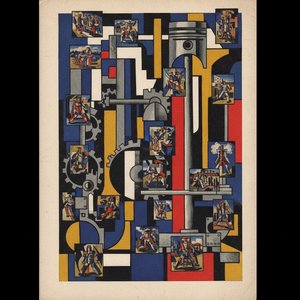
In the ephemeral landscape of modern interior design, where the cycle of "micro-trends" moves with dizzying speed, there exists a profound temptation to decorate for the present moment. We see it in the rapid turnover of seasonal color palettes and the rise of mass-produced, transient aesthetics that vanish as quickly as they arrive. However, for the true collector, the pursuit of beauty is not found in what is fashionable today, but in what remains relevant tomorrow. To curate a home is to engage in an act of resistance against the disposable; it is an intentional choice to surround oneself with works that possess a certain gravity, a weight of history and soul that refuses to fade. True luxury lies in permanence. While a trend might dictate a specific shade of sage or a particular geometric motif for a season, a masterpiece—be it an expressionist study like Ossip Zadkine’s Three Women in an Emptiness or a vibrant Pop Art icon—anchors a room with a sense of enduring truth. When we move beyond the superficiality of decor and toward the philosophy of permanence, we begin to view our living spaces not as showrooms for current tastes, but as sanctuaries for timeless narratives. This shift in perspective allows us to select pieces that do not merely fill a void on a wall, but rather provide a foundation of character that matures alongside the architecture of the home itself.The Curated Eye: Selecting Masterpieces with Emotional Resonance
To curate is to listen. Every piece of art possesses a unique frequency, an emotional resonance that speaks to the subconscious of both the creator and the observer. The discerning collector does not simply look for a painting that matches a sofa; they seek a work that evokes a specific, unnameable feeling—a sense of serenity, a spark of intellectual curiosity, or a profound nostalgia. This process requires an intimate connection with the subject matter, moving past the visual surface to understand the symbolism and the human struggle embedded within the pigment. Consider the way David Hockney’s Portrait of an Emptiness (Pool with Two Figures) captures a specific, sun-drenched stillness. It is not merely a depiction of light on water; it is an invitation into a moment of profound solitude and beauty. Similarly, the quiet, focused energy found in Roy Lichtenstein’s Interior with Account Books offers a different kind of resonance, celebrating the beauty of the mundane through a highly stylized lens. When selecting art, one must ask: does this work challenge my perspective? Does it stir a memory? By prioritizing emotional depth over aesthetic convenience, the collector ensures that every addition to their collection is a meaningful dialogue between the past and the present.Architectural Harmony: Integrating Art into Modern Interior Design
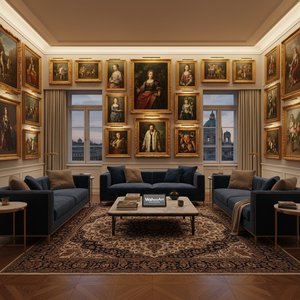
The integration of fine art into a modern architectural space is a delicate dance of scale, light, and composition. In contemporary homes characterized by clean lines, expansive glass, and minimalist volumes, art serves as the essential counterpoint. It provides the organic texture and complexity that prevents a modern space from feeling sterile. The challenge for the collector is to achieve harmony—to find works that respect the structural integrity of the room while simultaneously commanding attention. This integration can be achieved through various sophisticated methods, such as the use of multi-panel layouts that span wide walls or staircases, creating a cinematic flow of color and movement across the architecture. Large-format works, including bespoke murals and ceiling frescoes, can transform a standard room into a grand hall, echoing the majesty of historical landmarks like the Sistine Chapel. Furthermore, the strategic placement of art must account for the interplay of natural light; a painting with deep, impasto textures will reveal different dimensions as the sun moves through the day, ensuring that the art remains a dynamic participant in the life of the home.Texture and Depth: The Sensory Impact of Hand-Painted Works
In an era dominated by the flat, digital perfection of screens and prints, there is a growing hunger for the tactile and the tangible. This is where the true distinction of fine art reveals itself. A high-quality, hand-painted oil reproduction offers a sensory experience that a mere print can never replicate. It is found in the visible brushstrokes, the subtle ridges of paint left by the artist’s hand, and the way light catches the raised surface of the canvas. This physical depth—the impasto technique—creates a three-dimensional presence that breathes life into a room. The chemistry of these works adds to their allure. The use of traditional materials, such as flexible gesso to prevent cracking and specific oils like safflower to maintain the purity of whites, ensures that the painting possesses a structural integrity that lasts for generations. When one touches or stands close to a masterfully executed oil painting, they are not just seeing color; they are experiencing the physical labor of an artist. This tactile richness provides a necessary contrast to the smooth surfaces of modern furniture, adding a layer of "soul" and complexity that makes a space feel inhabited and deeply personal.Legacy and Lineage: Building a Collection that Transcends Generations
Ultimately, the act of collecting is an investment in legacy. A well-curated collection is a testament to one's values, travels, and intellectual journey. It is a repository of beauty that can be passed down through lineages, providing future generations with a connection to history and a standard of aesthetic excellence. This is why the provenance and the method of creation are so vital; choosing works that are meticulously crafted—where artists hold degrees from prestigious academies and use archival-grade materials—ensures that the collection remains a viable heirloom. Building such a collection requires patience and a long-term vision. It involves the careful stewardship of pieces, protecting them from the elements and ensuring their preservation through proper framing and environmental control. Whether it is a custom commission that captures a family milestone or a rediscovered masterpiece that completes a thematic set, each piece adds a new chapter to the home's unfolding story. In the end, a meaningful collection is not measured by its market value alone, but by the depth of the stories it tells and the enduring beauty it imparts to those who live amongst it.About OriginalUniqueArt.com
Since 2004, OriginalUniqueArt.com has been a global leader in making fine art accessible to collectors worldwide. From hand-painted oil reproductions of the Old Masters to bespoke custom commissions that transform personal photographs into museum-quality masterpieces, our mission is to preserve human creativity for the modern era. With a library of over 465,000 works and a team of specialized artists, we provide an unparalleled service for those looking to curate a home of lasting significance.