The Sartorius Dynasty: A Family Legacy in British Art
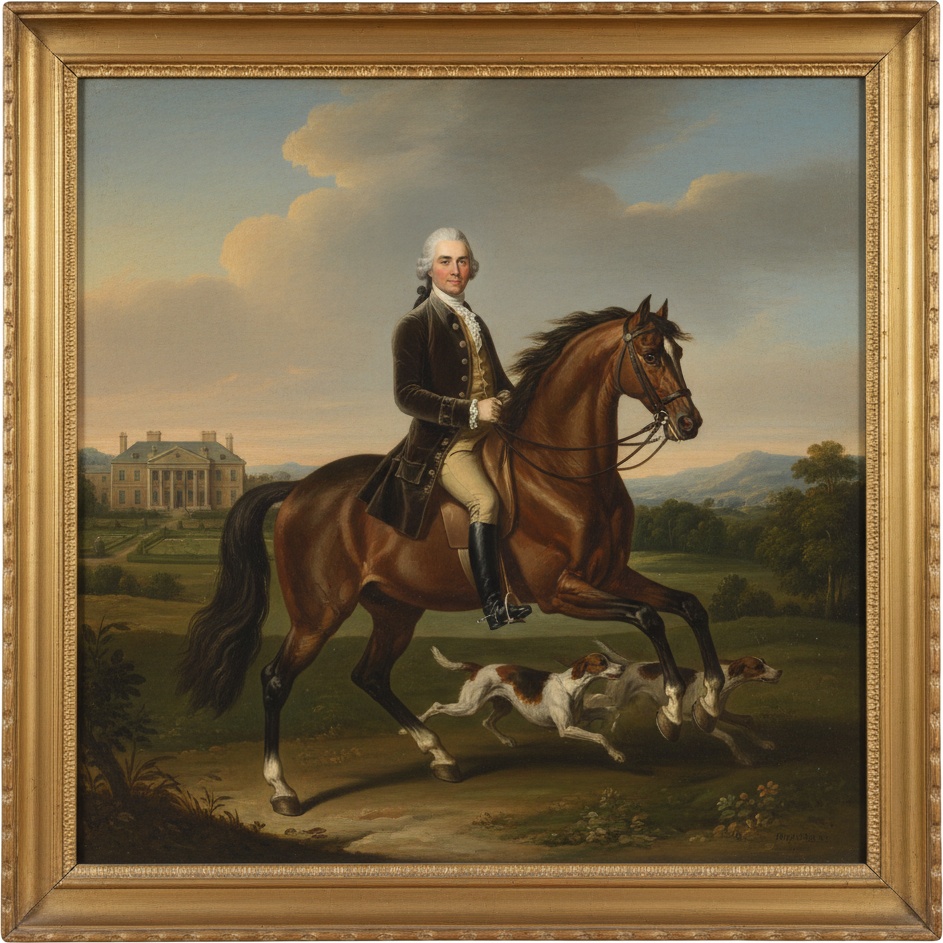
Francis Sartorius (1734 – 5 March 1804) was an English painter of horses, horse-racing and hunting scenes, of the celebrated Sartorius family of artists. Also known as Francis Sartorius the Elder to distinguish him from his grandson Francis Sartorius...
The name Sartorius resonates with a particular vibrancy within the annals of British sporting art, evoking images of powerful horses, meticulously rendered landscapes, and the refined world of 18th-century England. But Francis Sartorius II wasn’t simply a talented painter operating in isolation; he was the inheritor – and brilliant continuer – of a family tradition steeped in artistic skill and dedicated to capturing the essence of equestrian life. His grandfather, also named Francis Sartorius, laid the groundwork, establishing a reputation for portraiture that would be carried forward through generations. John Nott Sartorius, Francis II’s father, further solidified this legacy, becoming a highly sought-after artist known for his detailed depictions of racehorses and hunting parties. Understanding this familial context is crucial to appreciating the unique qualities of Francis Sartorius II's work; he didn’t just paint horses – he painted into a lineage, building upon established expertise while forging his own distinct style.
Early Life & Training: Foundations of a Sporting Painter
Born in 1734, Francis Sartorius II benefited immensely from the direct tutelage of his father, John Nott. This early immersion in the world of art wasn’t merely about technical instruction; it was an apprenticeship into a specific way of seeing – a keen eye for anatomy, a sensitivity to light and shadow, and a deep understanding of the nuances of equine form. While formal artistic training remained somewhat limited during this period, the Sartorius workshop provided a rigorous education focused on observation and replication. His initial success came with a portrait of the racehorse “Antinous” commissioned by the Duke of Grafton in 1758, a testament to his burgeoning talent and the family’s established connections within aristocratic circles. This early commission not only launched his career but also set the tone for much of his subsequent work: portraits intended to celebrate the beauty and prestige associated with prized horses.
Mastering Equestrian Portraiture: Technique, Realism & Style
 Captain dennis o kellys basilimo held by a groom pic
Francis Sartorius II’s "Captain Dennis O Kelly’s Basilimo" – a stunning 18th-century equestrian portrait in rich browns & subtle greens. Explore realism, formality & rural life.
Sartorius II’s skill lay in his ability to blend meticulous realism with a sense of dynamic energy. His paintings aren't static representations; they convey movement, power, and the inherent spirit of the animal. He achieved this through careful study of anatomy – evident in the precise musculature of his horses – coupled with a masterful use of oil paint to create texture and depth. His palette favored rich browns and subtle greens, lending warmth and earthiness to his compositions. “Captain Dennis O Kelly’s Basilimo held by a groom”, for example, exemplifies this approach; the horse is rendered with striking accuracy, yet the surrounding landscape and the figure of the groom contribute to a sense of rural life and formality. He wasn't simply documenting horses; he was creating idealized representations that reflected the status and taste of his patrons. The subtle interplay of light and shadow further enhances the realism, giving each painting a remarkable three-dimensional quality.
Patronage and Popularity: Capturing the Gentry’s Passion for Horses
The 18th century witnessed an explosion of interest in horse racing and hunting among the British gentry. Horses were symbols of wealth, status, and breeding, and commissioning a portrait of a prized animal was a way to publicly display one's affluence and discerning taste. Sartorius II expertly catered to this demand, becoming a favorite amongst landowners, noblemen, and members of high society. His ability to capture not just the physical likeness of a horse but also its perceived character – its strength, speed, or temperament – made his paintings highly sought after. Other notable commissions included portraits of “Herod” for the Duke of Cumberland and “Snap” for Mr. Latham, demonstrating the breadth of his clientele. The Sporting Magazine frequently featured engravings of his work, further disseminating his style and solidifying his reputation.
Beyond the Stable: Hunting Scenes and Rural Landscapes
 A Brown Horse, A Spaniel And A Groom
Discover 'A Brown Horse,' a serene 18th-century oil painting by Francis Sartorius II. Admire the horse, groom & spaniel scene – classic portraiture showcasing rural life & timeless beauty.
While equestrian portraiture formed the core of Sartorius II’s oeuvre, he also excelled in depicting hunting scenes and broader rural landscapes. These paintings often served as backdrops for his horse portraits, but they were far from mere accessories. They offered glimpses into a romanticized vision of country life – rolling hills, verdant fields, and meticulously rendered foliage. “A Brown Horse, A Spaniel And A Groom” beautifully illustrates this interplay between animal portraiture and landscape; the serene composition evokes a sense of tranquility and harmony with nature.
- His paintings often included details that spoke to the lifestyle of his patrons – hunting dogs, well-appointed grooms, and carefully chosen accoutrements.
- The inclusion of these elements elevated his work beyond simple portraiture, transforming it into a celebration of aristocratic leisure.
Sartorius’ Enduring Influence: A Pioneer of Sporting Art
Francis Sartorius II died in 1804, leaving behind a substantial body of work that continues to captivate art enthusiasts today. His legacy extends beyond the sheer number of paintings he produced; it lies in his ability to elevate sporting art to new heights of sophistication and realism. He wasn’t merely documenting horses; he was capturing a cultural moment – the passion for equestrian life, the prestige associated with ownership, and the beauty of the English countryside. His influence can be seen in the work of subsequent generations of sporting artists, who continued to build upon his techniques and aesthetic sensibilities. Discovering Sartorius II’s paintings is not simply about appreciating artistic skill; it's about stepping back into a world of elegance, refinement, and a deep connection between humans and animals. Explore the captivating collection of Francis Sartorius II artworks available at OriginalUniqueArt.com and bring a touch of 18th-century grandeur to your home.