Early Life & Artistic Formation: The Foundations of Nagy's Style
István Nagy (28 March 1873–13 February 1937) was a Hungarian artist who specialized in landscapes and figure painting.Missing: Modernism, Exploration Technique, Themes, Modernism)
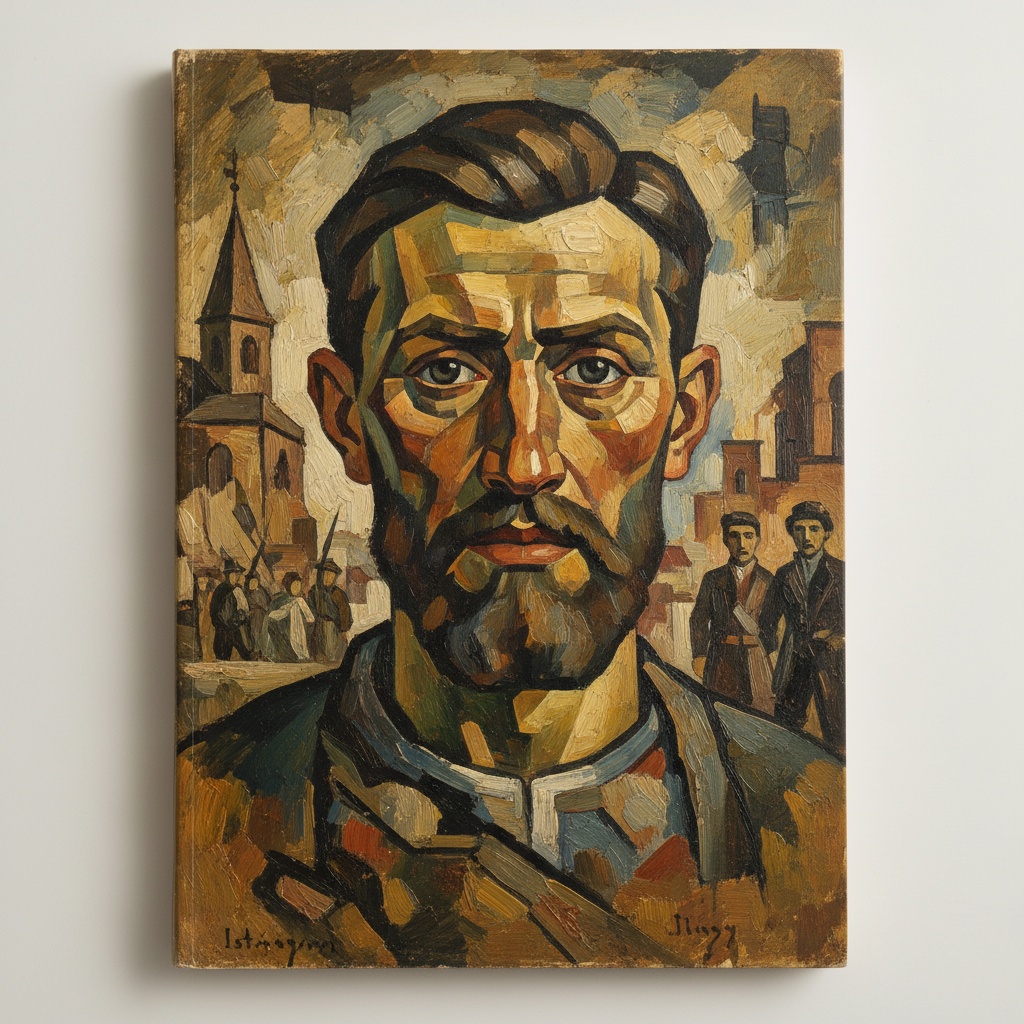
István Nagy, born in 1873 amidst the burgeoning artistic ferment of Hungary, emerged as a painter deeply attuned to the shifting sensibilities of his era. While biographical details remain somewhat sparse, it’s clear that his early training laid a foundation steeped in academic tradition before he embarked on a journey of stylistic exploration. The late 19th century Hungarian art scene was undergoing a period of significant change, moving away from rigid historical painting towards more expressive and individualized approaches. Nagy's initial studies likely provided him with the technical proficiency – a mastery of form and composition – that would later be so skillfully subverted in his pursuit of capturing fleeting moments and emotional resonance. He wasn’t merely replicating what he saw; he was building upon established techniques to forge a distinctly personal visual language, one that resonated with the growing currents of European Modernism.
The Influence of Impressionism & Post-Impressionism on Nagy’s Palette
 Beyond Light & Color: Impressionism vs. Post-Impressionism for the Discerning Collector
Explore the nuances of Impressionism & Post-Impressionism with . Expert insights for collectors on style, investment, and acquiring museum-quality reproductions.
The arrival of Impressionist ideas in Hungary had a profound impact on artists like Nagy. While he never fully embraced the strict tenets of plein air painting and the optical realism championed by Monet and Renoir, the Impressionists' focus on light, color, and atmosphere undeniably shaped his artistic trajectory. However, Nagy’s work quickly moved beyond mere imitation. He found himself drawn to the more subjective explorations of Post-Impressionism – a movement that prioritized emotional expression and symbolic content over strict naturalistic representation. Artists like Van Gogh and Gauguin offered a path towards greater freedom in color usage and brushwork, allowing Nagy to imbue his landscapes and figures with a palpable sense of inner life. His paintings aren’t simply depictions *of* the world; they are interpretations, filtered through a deeply personal lens. A work such as ‘Little Girl With A Dolly,’ exemplifies this shift – the thick impasto and melancholic palette hinting at a psychological depth rarely found in earlier academic works.
Landscapes as Emotional Spaces: Recurring Themes in Nagy’s Work
 Waterfront
Capture tranquil beauty with 'Waterfront' by Istvan Nagy. This impressionistic painting evokes calm & nostalgia with soft brushstrokes and warm earthy tones. Hand-painted reproductions available at OriginalUniqueArt.com. Perfect for adding peaceful a...
Nagy consistently returned to landscape painting throughout his career, but these were never straightforward representations of place. His landscapes are imbued with a profound sense of atmosphere and emotional weight. The rolling hills and quiet fields of Hungary become vessels for introspection, reflecting the artist's own inner state. ‘Waterfront,’ for example, isn’t just a scene of tranquil beauty; it evokes a feeling of nostalgia and calm through its soft brushstrokes and warm earthy tones. He wasn’t interested in topographical accuracy but rather in capturing the *feeling* of a place – the quality of light, the stillness of the air, the weight of memory. This focus on emotional resonance is also evident in his figure paintings, where subjects are often depicted in moments of quiet contemplation or subtle melancholy.
Technique and Materials: Impasto, Pastel, and the Pursuit of Texture
 Little Girl With A Dolly
Discover István Nagy’s ‘Little Girl With A Dolly,’ a poignant Post-Impressionist portrait of childhood innocence. Explore its thick impasto, melancholic palette & timeless appeal.
Nagy was a master of materials, experimenting with both oil paint and pastel chalk to achieve distinct textural effects. His use of impasto – the thick application of paint – is particularly striking, creating a tactile surface that draws the viewer into the work. The raised brushstrokes aren’t merely decorative; they add depth and physicality, conveying a sense of energy and immediacy. ‘Hillside With Poplars,’ rendered in evocative pastel chalk, demonstrates his ability to create luminous effects with delicate layers of color. He understood how different materials could be used to convey different moods and sensations – oil paint for weight and solidity, pastel for lightness and atmosphere. This technical versatility allowed him to fully realize his artistic vision, translating his emotional responses into tangible form.
Nagy's Place within Hungarian Modernism: A National Context
It is an open-access series, freely available to readers to read online and to download without charge. The series has been developed in the context of research ...
While often categorized alongside other European modernists, István Nagy’s work is deeply rooted in the specific cultural and geographical context of Hungary. He wasn’t simply adopting international styles; he was adapting them to reflect his own experiences and sensibilities. The Hungarian avant-garde movement, though relatively short-lived, fostered a spirit of experimentation and innovation, encouraging artists to break with tradition and explore new forms of expression. Nagy's landscapes, in particular, can be seen as a response to the unique beauty and character of the Hungarian countryside. He contributed to a growing sense of national artistic identity, while simultaneously engaging with broader European trends. His work represents a fascinating intersection of local and global influences.
Collecting István Nagy Today: Investment & Appreciation
Today, István Nagy’s paintings are increasingly sought after by collectors who appreciate his unique blend of Impressionist sensitivity and Post-Impressionist expressiveness. His works offer a rare glimpse into the artistic landscape of early 20th-century Hungary, providing valuable insights into the development of European Modernism. Investing in a Nagy painting is not merely acquiring a beautiful object; it’s owning a piece of art history – a testament to the power of individual vision and emotional resonance. OriginalUniqueArt.com offers high-quality reproductions of Nagy's masterpieces, allowing enthusiasts to experience his captivating work firsthand. Whether you are a seasoned collector or simply beginning your journey into the world of fine art, István Nagy’s paintings offer a rewarding and enriching aesthetic experience. Explore our collection today and discover the timeless beauty of this Hungarian Modernist.