The Genesis of Light: Early Representations & Symbolism
From the earliest cave paintings, where flickering torchlight danced across ochre walls, humanity has been captivated by light – not merely as a means of visibility, but as a potent symbol and artistic tool. In pre-Renaissance art, depictions of light were often allegorical, representing divine presence or spiritual awakening. Consider the radiant gold backgrounds in Byzantine mosaics; these weren’t attempts at realistic illumination, but rather expressions of otherworldly glory, intended to transport viewers beyond the earthly realm. The gradual development of techniques for rendering form and shadow during the Renaissance marked a turning point. Artists began to move away from symbolic representation towards a more naturalistic portrayal of light's effects on objects and figures. Leonardo da Vinci’s sfumato technique, famously employed in the Mona Lisa, wasn’t simply about softening edges; it was about capturing the subtle interplay of light and shadow that defines human perception. This pursuit of realism laid the groundwork for the dramatic explorations to come.
Chiaroscuro & Tenebrism: Mastering Dramatic Illumination
In art, chiaroscuro (English: kee-AR-ə-SKOOR-oh, -SKURE-, Italian: [ˌkjaroˈskuːro]; lit. 'light-dark') is the use of strong contrasts between light and dark, usually bold contrasts affecting a whole composition. It is also a technical term used by ...
The 16th century witnessed the emergence of chiaroscuro, an Italian term meaning “light-dark,” which revolutionized painting. Initially, it involved a nuanced interplay of light and shadow to model three-dimensional forms, creating depth and volume. However, it was with the arrival of Michelangelo Merisi da Caravaggio in the early 17th century that chiaroscuro reached its most intense expression – evolving into tenebrism. Caravaggio didn’t simply use light to illuminate; he weaponized it. His canvases plunged figures from darkness into stark, almost theatrical spotlights, creating a sense of immediacy and emotional intensity rarely seen before. Works like “The Calling of Saint Matthew” exemplify this technique: the shadowy tavern interior punctuated by a single, powerful beam of divine light that dramatically alters the scene’s narrative weight. This wasn't merely about realism; it was about psychological impact – drawing the viewer into the heart of the moment and heightening the sense of spiritual drama.
Beyond Realism: The Emotional Power of Light in Baroque Painting
Caravaggio’s influence spread rapidly throughout Europe, giving rise to a generation of tenebrist painters. Artists like Artemisia Gentileschi adopted and adapted the technique, infusing it with her own unique sensibility and powerful depictions of female strength. In Spain, Jusepe de Ribera employed tenebrism to create intensely realistic and often brutal religious scenes. However, the use of light wasn’t uniform across the Baroque period. While Italian painters favored dramatic contrasts, Dutch masters like Rembrandt van Rijn explored a more subtle approach, using candlelight to create intimate and contemplative atmospheres. Rembrandt's mastery lay in his ability to convey not just physical illumination but also inner emotional states through carefully modulated shadows and highlights. The psychological depth achieved by these artists demonstrates the power of light to transcend mere representation and delve into the complexities of the human condition.
Luminism and the American Landscape: Capturing Ephemeral Radiance
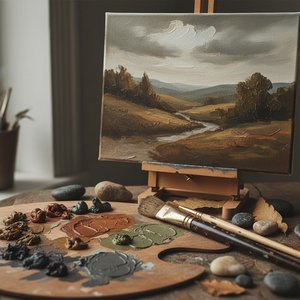
Luminism is a style of American landscape painting from the 1850s to 1870s, characterized by effects of light in a landscape, through the use of aerial perspective and the concealing of visible brushstrokes. Luminist landscapes emphasize tranquility,...
Across the Atlantic, a distinct artistic movement emerged in mid-19th century America – luminism. Unlike the dramatic intensity of Baroque tenebrism, luminist paintings focused on capturing the subtle effects of light in the landscape. Artists like Fitz Henry Lane, Martin Johnson Heade, and Sanford Gifford sought to depict tranquility and serenity, often portraying calm waters reflecting soft, hazy skies. These weren’t grand narratives or religious allegories; they were meditations on nature's beauty and the ephemeral quality of light itself. The meticulous attention to detail, combined with a deliberate concealment of brushstrokes, created an almost photographic realism that emphasized the atmospheric effects of light and air. Luminist landscapes evoke a sense of timelessness and quiet contemplation, inviting viewers to immerse themselves in the natural world.
Contemporary Explorations of Light: From Installation to Digital Art
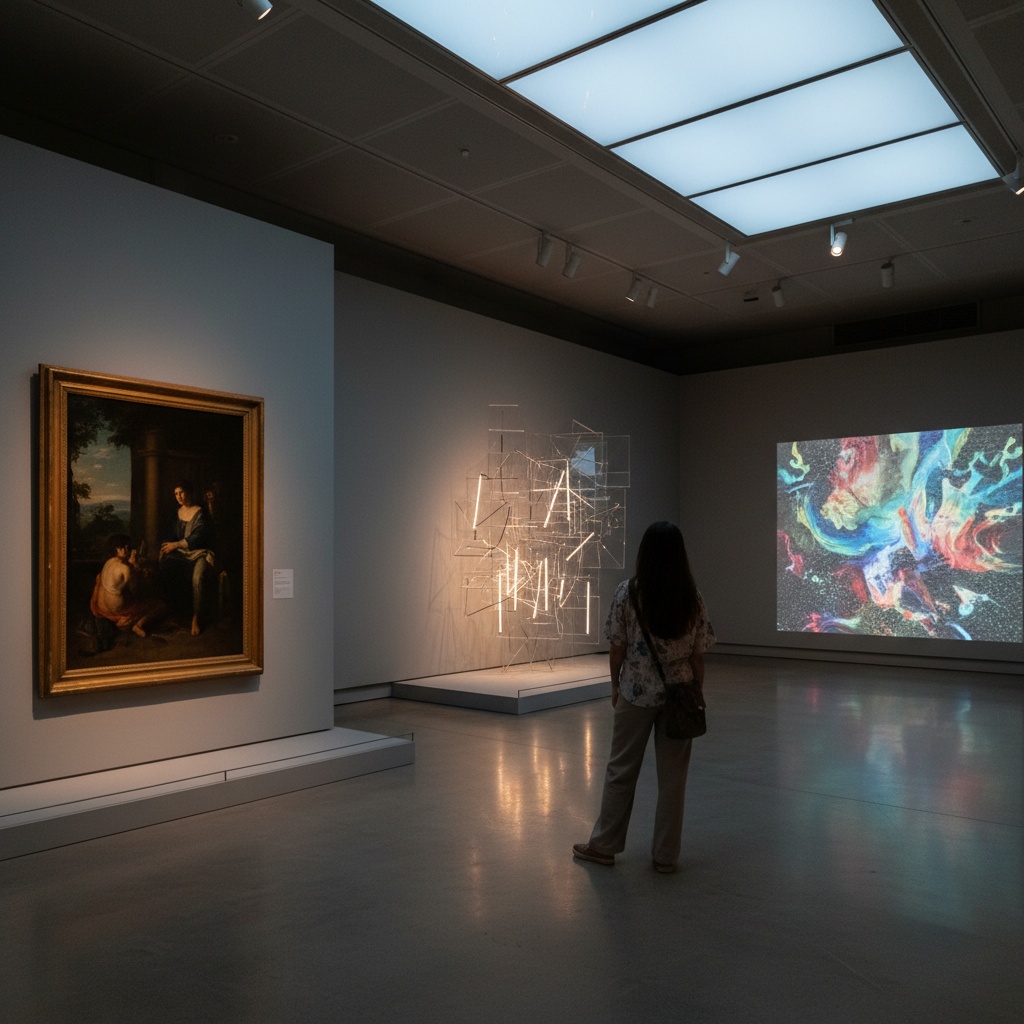
The exploration of light continues to fascinate contemporary artists. From James Turrell’s immersive installations that manipulate perception through pure light and space, to Olafur Eliasson's large-scale works that bring natural phenomena indoors, artists are pushing the boundaries of what light can be. Digital art has also opened up new avenues for exploring illumination, allowing artists to create dynamic and interactive experiences. These contemporary approaches often move beyond representation altogether, focusing instead on the phenomenological experience of light itself – how it affects our senses, emotions, and perceptions. The legacy of Caravaggio, Rembrandt, and the luminists lives on in these innovative works, demonstrating the enduring power of light as a medium for artistic expression.
The Enduring Legacy: How Artists Continue to Harness the Power of Light
Throughout art history, light has served not only as a technical element but also as a profound symbolic and emotional force. From the allegorical radiance of Byzantine mosaics to the dramatic spotlights of Caravaggio’s canvases and the subtle atmospheres of luminist landscapes, artists have consistently harnessed its power to convey meaning, evoke emotion, and transform our perceptions of reality. Today, OriginalUniqueArt.com offers a unique opportunity to explore this rich artistic heritage through high-quality reproductions of masterpieces from across the ages. Whether you’re captivated by the intensity of tenebrism or the serenity of luminism, we invite you to discover the enduring legacy of light in art and bring these timeless works into your own home.