The Serf Who Defined a Style: Rokotov’s Unconventional Beginnings
Fyodor Stepanovich Rokotov occupies a singular position within the annals of Russian art history – a painter whose delicate touch and profound psychological insight transformed portraiture in the 18th century. What sets his story apart, however, isn't merely the beauty of his creations but the improbable trajectory that led him to become one of Russia’s most celebrated artists. Unlike many of his contemporaries who benefited from formal aristocratic training, Rokotov’s origins lay within the realm of serfdom. Born around 1736 in the Vorotsovo estate near Moscow, belonging to the Repnin family, his early life remains shrouded in mystery. While details are scarce, it is believed he was likely a freed serf, a status that already distinguished him from the typical artistic apprenticeships of the time. This background, rather than hindering his development, seems to have instilled within him a unique sensitivity and an observant eye for character – qualities that would become hallmarks of his mature style.
The narrative surrounding Rokotov’s ascent is one of fortunate encounters and undeniable talent. Around 1755, Count Ivan Shuvalov, a powerful figure at the Russian court and a champion of the arts, visited Moscow in search of promising young artists to enroll in the newly established Academy of Arts in St. Petersburg. Recognizing Rokotov's exceptional potential, Shuvalov brought him into his patronage, providing access to education and opportunities previously unavailable. This marked a pivotal moment, propelling Rokotov from relative obscurity towards a career that would redefine Russian portraiture. He wasn’t simply learning technique; he was being introduced to a world of refinement, intellectual discourse, and the demands of an increasingly sophisticated clientele.
Chamber Portraits & Psychological Realism: A New Approach to Representation
 Portrait Of Emperor Paul I As A Child -
Admire Fyodor Rokotov’s portrait of young Emperor Paul I! A refined 18th-century Russian oil painting showcasing royal elegance & psychological realism. Explore this classic masterpiece.
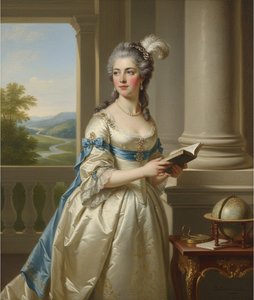
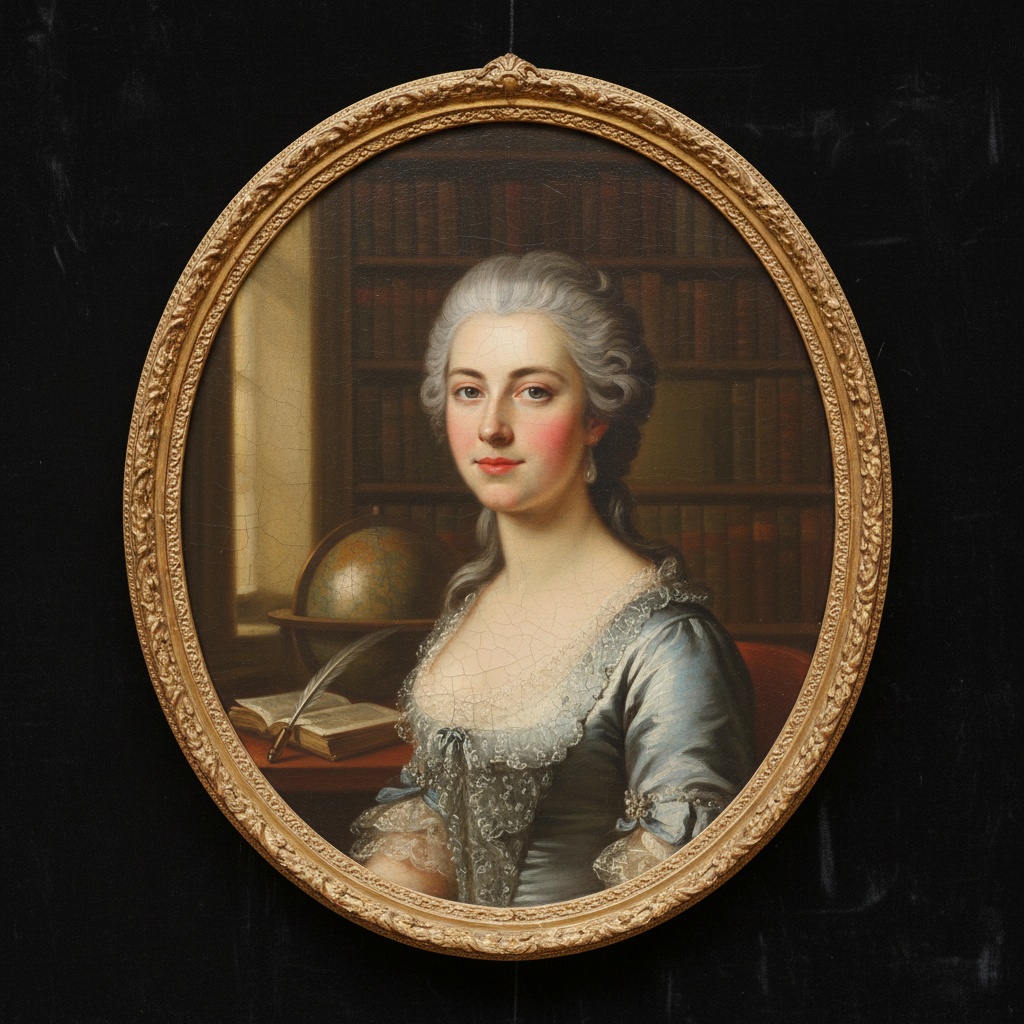
Rokotov's artistic revolution lay in his departure from the grand, formal portraiture prevalent at the time. He eschewed elaborate settings and ostentatious displays of wealth, instead focusing on what he termed “chamber portraits” – intimate depictions that prioritized the inner life of the sitter. These weren’t merely likenesses; they were explorations of personality, mood, and emotion. His subjects are rarely shown in full regalia or engaged in symbolic activities. Instead, we encounter them in quiet contemplation, their gazes often averted, lost in thought. This emphasis on psychological realism was groundbreaking for its era.
Rokotov achieved this remarkable effect through a masterful manipulation of light and shadow, delicate brushwork, and a subtle use of color. He employed soft, diffused lighting that created an atmospheric haze around his subjects, lending them an ethereal quality. The outlines are often blurred, the canvas itself seeming to breathe with life. This technique wasn’t simply about aesthetic beauty; it was a deliberate attempt to capture the fleeting nuances of human expression – the subtle smile, the hint of melancholy in the eyes, the unspoken thoughts that lay beneath the surface. He moved away from the rigid conventions of earlier portraiture, embracing a more naturalistic and emotionally resonant style.
Rokotov and the Rococo Aesthetic: Elegance, Light, and Atmospheric Effects
While Rokotov’s approach was innovative, it wasn't entirely divorced from the prevailing artistic trends of his time. He operated firmly within the framework of the Rococo aesthetic – a style characterized by its elegance, ornamentation, and playful lightness. However, he infused this sensibility with a distinctly Russian flavor. Where French Rococo often emphasized aristocratic frivolity and decorative excess, Rokotov’s work possessed a quiet dignity and introspective quality.
The influence of Rococo is evident in his use of pastel colors, delicate fabrics, and graceful poses. His portraits are bathed in soft light, creating an atmosphere of refined beauty and gentle sensuality. However, he tempered this with a uniquely Russian sensibility – a sense of melancholy, spirituality, and a profound understanding of human vulnerability. He wasn’t simply replicating the French style; he was adapting it to reflect the cultural nuances and emotional landscape of Russia. This fusion of Rococo elegance and Russian introspection is what makes his work so compelling and enduring.
Patronage and Society: The World Behind Rokotov's Brush
Rokotov’s success wasn’t solely attributable to his artistic talent; it was also a product of the social and political context in which he operated. He cultivated relationships with powerful patrons, including members of the aristocracy and the imperial court. These individuals commissioned portraits not merely as representations of their likeness but as statements of status, taste, and cultural refinement. The demand for his work soared, particularly among the Moscow elite.
His clientele included prominent figures such as Count Artemy Vorontsov, Empress Catherine II (whose portrait he painted in 1763), and Admiral Alexei Senyavin. These commissions provided him with financial security and access to a wider audience. However, Rokotov was also known for his discerning nature – he often refused requests that didn’t align with his artistic vision or personal sensibilities. This independence allowed him to maintain control over his work and cultivate a reputation for quality and integrity. The portraits themselves offer a fascinating glimpse into the lives of Russia's elite during the Enlightenment, revealing their aspirations, values, and social standing.
Alexandra Struyskaya: The 'Russian Mona Lisa' and Rokotov’s Masterpiece
Perhaps no portrait embodies Rokotov’s genius more fully than that of Alexandra Struyskaya, painted in 1772. Often referred to as the “Russian Mona Lisa,” this work has captivated audiences for centuries with its enigmatic beauty and profound psychological depth. The painting depicts a young woman lost in thought, her gaze averted, a subtle smile playing on her lips. It’s not a portrait of grandeur or power; it's an intimate glimpse into the inner life of a single individual.
Rokotov’s masterful use of light and shadow creates an ethereal quality around Struyskaya, lending her an almost otherworldly presence. The delicate brushwork and subtle color palette further enhance the painting’s emotional resonance. The portrait is not about what Struyskaya possesses but who she is – a woman of intelligence, sensitivity, and quiet dignity. It's this ability to capture the essence of his subjects that sets Rokotov apart from his contemporaries. The enduring appeal of the “Russian Mona Lisa” lies in its timeless beauty and its profound exploration of human emotion.
Rokotov’s Enduring Legacy: Influence on Russian Art & Beyond
Fyodor Rokotov's influence on Russian art is undeniable. He pioneered a new approach to portraiture, emphasizing psychological realism and intimate representation. His work inspired generations of artists to move beyond formal conventions and explore the inner lives of their subjects. While his fame waned in the decades following his death in 1808, he was rediscovered in the 20th century and has since been recognized as one of Russia’s greatest portrait painters.
Today, Rokotov's paintings are held in major museums around the world, including the Tretyakov Gallery in Moscow and the State Russian Museum in St. Petersburg. His legacy continues to inspire artists and art lovers alike. OriginalUniqueArt.com offers high-quality reproductions of his iconic works, allowing you to experience the beauty and emotional depth of Rokotov’s portraits firsthand. Explore our collection today and discover the captivating world of 18th-century Russian art.