The Genesis of a Movement: Post-Revolution Mexico and Artistic Awakening
The early decades of the 20th century witnessed profound upheaval in Mexico, culminating in the Mexican Revolution (1910–1920). This period of intense social and political transformation irrevocably altered the nation’s artistic landscape. Prior to the revolution, art largely catered to the elite, reflecting European styles and themes. However, the revolutionary fervor ignited a desire for an authentically Mexican aesthetic—one that celebrated Indigenous heritage, championed the working class, and addressed the realities of a newly independent society. This burgeoning national consciousness found its most powerful expression in muralism, and at its forefront stood Diego Rivera.
The government, under figures like José Vasconcelos, recognized the potential of art as a tool for education and nation-building. Vasconcelos envisioned murals not merely as decorative elements but as accessible narratives that could reach a broad audience, fostering a sense of collective identity and revolutionary ideals. This patronage created an unprecedented opportunity for artists to engage with public spaces and directly address the Mexican people. Rivera, along with contemporaries like David Alfaro Siqueiros and José Clemente Orozco – collectively known as “Los Tres Grandes” – seized this moment, transforming walls into vibrant chronicles of Mexico’s past, present, and future.
Rivera’s Bold Technique: Fresco, Social Realism, and Indigenous Inspiration
 untitled (5956)
Explore Diego Rivera’s "untitled (5956)", a monumental mural blending Expressionism & Social Realism. Witness urban chaos, mythology, and powerful symbolism in this dynamic oil painting.
Diego Rivera's artistic approach was deeply rooted in technique. He masterfully revived the ancient art of fresco, a method where pigments are applied to wet lime plaster, creating enduring images that became integral parts of the architectural fabric. This wasn’t merely a stylistic choice; fresco resonated with Mexico’s pre-Columbian artistic traditions, connecting the present with its rich Indigenous past. The laborious process—sketching directly onto the wall, applying layers of pigment, and working swiftly before the plaster dried—demanded both skill and commitment.
Beyond technique, Rivera embraced Social Realism, a style characterized by its focus on depicting the lives and struggles of ordinary people. His murals weren’t romanticized visions but unflinching portrayals of industrial labor, peasant life, and political conflict. However, Rivera wasn't simply documenting reality; he was actively interpreting it through a Marxist lens, highlighting class divisions and advocating for social justice. This commitment to ideological clarity infused his work with a powerful emotional resonance.
Crucially, Rivera drew heavily from Indigenous art and mythology. He incorporated pre-Hispanic motifs, symbolism, and color palettes into his compositions, celebrating Mexico’s cultural heritage and rejecting European artistic dominance. This fusion of ancient traditions with modern political themes created a uniquely Mexican visual language that resonated deeply with the national psyche.
Iconic Murals: Detroit Industry, Man at the Crossroads, and National Palace Masterpieces
Rivera's influence extended far beyond Mexico’s borders. His 1932–33 commission for the Detroit Industry murals at the Detroit Institute of Arts stands as a testament to his ability to translate complex social themes to an international audience. These monumental panels depict the dynamism and mechanization of automobile production, but also subtly critique the dehumanizing aspects of industrial labor. The vibrant colors and powerful imagery capture both the energy and alienation inherent in modern manufacturing.
Perhaps most famously, Rivera’s Man at the Crossroads, originally commissioned for Rockefeller Center in New York City (1934), became a symbol of artistic censorship and political controversy. The mural featured a portrait of Vladimir Lenin, which proved unacceptable to the Rockefeller family, leading to its destruction. Rivera later recreated the work in Mexico City, solidifying its status as a powerful statement against capitalist oppression.
However, it is Rivera’s murals at the National Palace in Mexico City that represent his most ambitious and comprehensive artistic achievement. Spanning three walls within a grand stairwell, *The History of Mexico* offers a sweeping narrative of Mexican history from pre-Columbian times to the 20th century. These murals are not simply historical depictions; they are allegorical representations infused with Rivera’s Marxist interpretation of class struggle and Indigenous resilience.
Beyond Aesthetics: Political Ideology and the Narrative of Mexican History
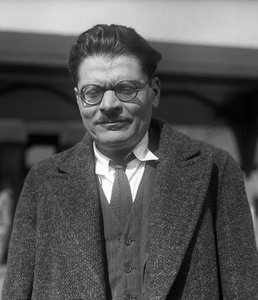 José Clemente Orozco
Discover José Clemente Orozco (1883-1949), a key figure in Mexican Muralism. Explore his powerful depictions of revolution, social injustice & human suffering—a legacy inspiring artists worldwide.
Rivera's art was inseparable from his deeply held political beliefs. A committed Communist, he believed that art should serve as a tool for social change, challenging existing power structures and advocating for the rights of the working class. His murals weren’t intended to be neutral observations but rather active interventions in the national discourse.
The History of Mexico at the National Palace exemplifies this ideological commitment. Rivera deliberately framed Mexican history as a series of conflicts between oppressors and oppressed, highlighting the struggles of Indigenous peoples against Spanish colonialism and the exploitation of workers under capitalist systems. He presented a narrative that celebrated revolutionary heroes and condemned those he perceived as enemies of the people.
This overt political messaging wasn’t without its critics. Some accused Rivera of simplifying complex historical events or promoting a biased interpretation of the past. However, his murals undeniably sparked dialogue and challenged conventional understandings of Mexican identity, forcing viewers to confront uncomfortable truths about their nation's history.
Rivera's Legacy & Influence: The Muralist Tradition and Contemporary Echoes
Diego Rivera’s impact on Mexican art is immeasurable. He not only revived the art of fresco painting but also established a new iconography based on socialist ideologies and Mexico’s Indigenous heritage. His work inspired generations of artists to engage with public spaces, address social issues, and celebrate their cultural roots.
The muralist tradition he pioneered continues to thrive in Mexico today, with contemporary artists building upon his legacy by exploring themes of identity, globalization, and environmental justice. Rivera’s influence can also be seen in public art movements around the world, where murals are used as a powerful tool for social commentary and community empowerment.
Rivera's enduring appeal lies not only in his technical mastery but also in his unwavering commitment to using art as a force for change. His murals remain potent symbols of Mexican identity, reminding us of the power of art to challenge conventions, inspire dialogue, and shape our understanding of the past. Explore the world of Diego Rivera with OriginalUniqueArt, where you can discover high-quality reproductions of his iconic works and bring a piece of revolutionary history into your home.