
 Send
Send Share
Share
 Details
 Guide
Guide

 Download
 Similars
 Diaporama
 Stats
StatsBenjamin Lay


 Read More
Giclée / Art Print
Museum-quality giclée or canvas print with fast production and flexible finish options. ( Buy Hand Made Painting Switch to Digital Image)




































Pick from our preset sizes that match the artwork's original proportions.

Type the width and the height you need, to fit your frame or your wall. A print can only be cut, never made bigger than the picture, so a size with a different shape loses a part of the image. We send you a digital mockup to approve before we print anything. The picture shown on this page does not show the real cut — only the mockup does.
Worldwide Delivery () in 2 weeks instead of standard 4/5 weeks. (23 October)

Free Worldwide Express Shipping

High-Quality Linen Canvas

Full Shipping Insurance

Customs Tax Refund Guarantee

True Color Matching Guarantee

100-Day Return Policy (Defects Only)

100% Money-Back Guarantee

Bulk Discount Offer
 Glass option is only available in size under 110 CM

Benjamin Lay
Giclée / Art Print
Reproduction Size
-


Total Price
$ 81
William Thomas Williams Sr.’s ‘Benjamin Lay’ – A Testament to Quaker Conviction
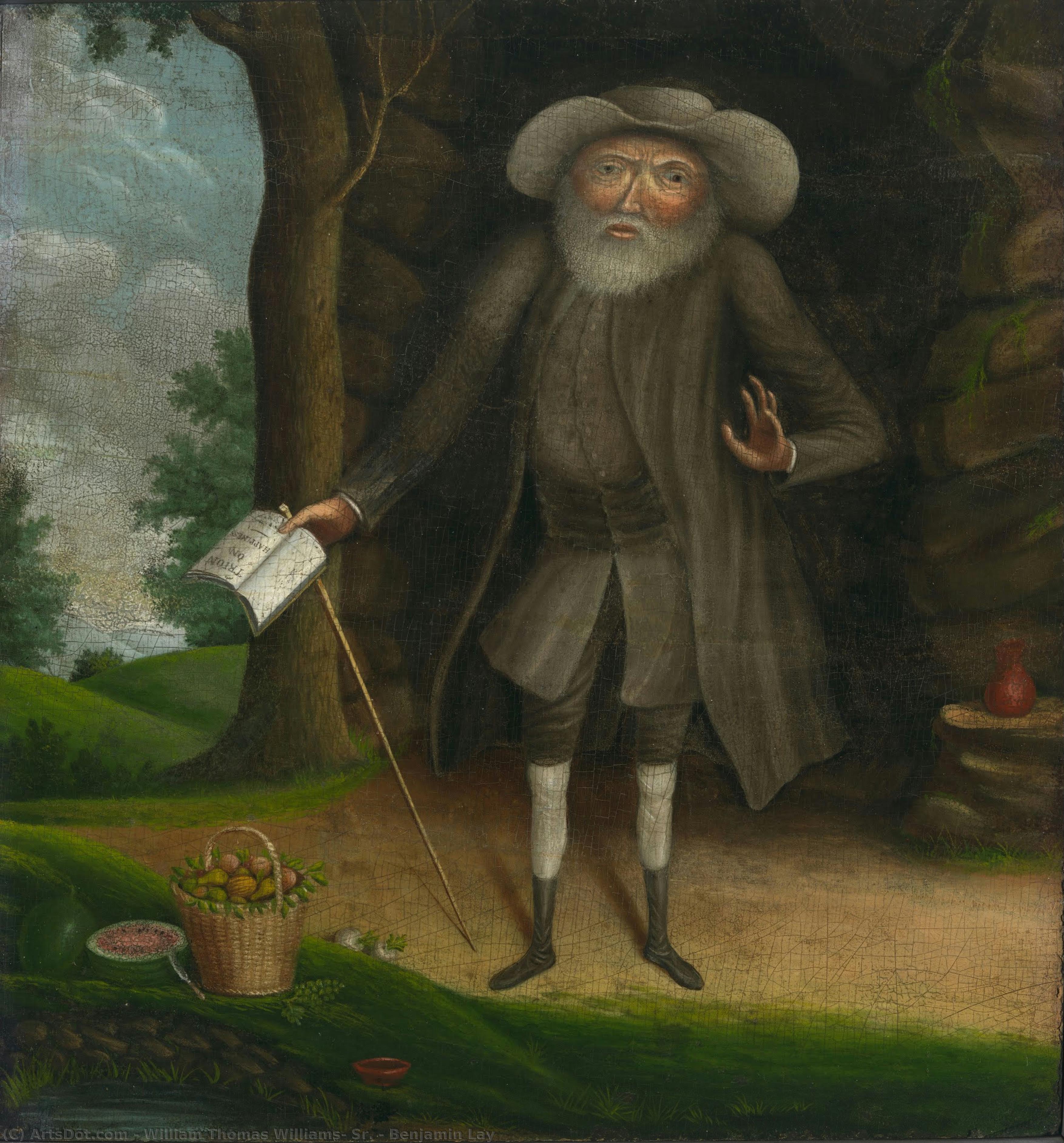
William Thomas Williams Sr.’s “Benjamin Lay” (1758) is more than just a portrait; it's a meticulously crafted visual narrative of moral conviction and quiet resistance. Painted during a turbulent period in American history, when the burgeoning antislavery movement wrestled with deeply ingrained societal norms, this work offers a poignant glimpse into the life of Benjamin Lay, a pivotal Quaker reformer who dedicated his existence to challenging the horrors of slavery. The painting’s power resides not just in its subject matter – Lay's unwavering commitment to abolition – but also in Williams’s masterful execution and the rich symbolism interwoven within the scene.
- Subject & Context: The portrait depicts Benjamin Lay, a man whose life was defined by his opposition to slavery. His story is inextricably linked to the Religious Society of Friends (Quakers), who at this time were grappling with the internal contradiction of their faith and participation in the slave trade. The inclusion of Thomas Tryon’s treatise on happiness underscores Lay's intellectual pursuits and his belief in a higher moral order, while Franklin’s publishing of Lay’s tract highlights the complex relationship between figures involved in both abolitionist and exploitative endeavors.
- Technical Skill: Williams, trained in Bristol, England, demonstrates a remarkable understanding of light and shadow, creating a sense of depth and realism within the relatively small canvas. The use of oil paint allows for rich textures and subtle gradations of color, particularly evident in Lay’s clothing and the weathered texture of his home.
A Composition Steeped in Symbolism
The scene itself is a carefully constructed tableau brimming with symbolic resonance. Lay stands before what appears to be a cave-like dwelling – a deliberate reference to his own humble existence, representing simplicity and spiritual retreat. The presence of the two bowls near the base of the painting could symbolize nourishment, both physical and spiritual, while the vase adds an element of decorative elegance, perhaps reflecting the Quaker emphasis on beauty and order. Most significantly, the apple in the lower-left corner is a potent symbol – a direct reference to the biblical story of Adam and Eve, suggesting that Lay’s struggle against slavery was a battle for humanity's redemption from original sin.
- The Newspaper/Book: The inclusion of a newspaper or book (likely Tryon’s treatise) speaks to Lay’s intellectual engagement with the issues of his time and his commitment to disseminating knowledge as a means of social change.
- The Tree: The tree in the background is a traditional symbol of strength, resilience, and connection to nature – qualities that align with Lay's Quaker beliefs.
Williams’s Artistic Legacy & Reproduction Value
William Thomas Williams Sr.’s “Benjamin Lay” stands as a significant work within the context of 18th-century American portraiture and, crucially, as a powerful statement on social justice. Born in Bristol in 1727, Williams's seafaring past undoubtedly informed his artistic vision, lending a sense of ruggedness and authenticity to his subjects. His association with Benjamin West and his role in establishing Philadelphia’s early theater scene further solidify his place within the city’s vibrant cultural landscape. A hand-painted reproduction of “Benjamin Lay” offers an unparalleled opportunity to own a piece of this compelling history, capturing not only Williams's technical skill but also the profound moral message embedded within the artwork. The detail and fidelity of a OriginalUniqueArt.com reproduction ensures that you experience the full emotional impact and symbolic richness of this remarkable portrait.
Questions & Answers
What placement suits the format of "Benjamin Lay" by William Thomas Williams, Sr.?
Format (square) and recommended space (living room) are the two placement facts recorded for "Benjamin Lay" by William Thomas Williams, Sr..
How can I get a print of "Benjamin Lay" by William Thomas Williams, Sr.?
To get a print of "Benjamin Lay" by William Thomas Williams, Sr., simply order it on its Fine Art Print page: a fine art print on cotton canvas or archival canvas paper.
How can I get a digital file of "Benjamin Lay" by William Thomas Williams, Sr.?
A digital image of "Benjamin Lay" by William Thomas Williams, Sr. can be purchased on its Digital Image page: a high-resolution digital image download.
Artist Biography
early life and seafaring days
william thomas williams, sr., a prominent english-american painter and writer, was born in 1727 in bristol, england. his formative years were spent in caerphilly, wales, where he developed a profound connection with the sea. it is believed that williams was a seafarer during his early life, which significantly influenced his later artistic pursuits.artistic career and notable works
williams's artistic career is marked by his unique blend of maritime experiences and literary inclinations. he penned the journal of llewellin penrose, seaman, often regarded as the first american novel. although the book was not published until 1815, its original text wasn't released until 1969.philadelphia and artistic legacy
in 1747, williams settled in philadelphia, where he played a pivotal role in establishing america's first theater. his art studio, the sign of hogarth's head, became a hub for artistic innovation, with notable students including a young benjamin west.artistic style and influences
williams's work is characterized by its eclectic mix of english and american influences, reflecting his seafaring background and literary inclinations. his style, though not widely documented, is believed to have been shaped by the then-prevailing artistic vogue for true travel tales.legacy and remembrance
williams passed away in philadelphia in 1791, leaving behind a legacy that, although not immediately recognized, has contributed significantly to american art history. his story serves as a testament to the transatlantic influences that have shaped the art world.- explore william thomas williams, sr.'s artworks on OriginalUniqueArt
- discover the english school of painting on wikipedia
- visit the museum university of bristol theatre collection to delve into the world of theatre and performance, which williams was a part of.
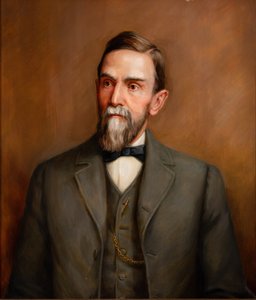
William Thomas Williams, Sr.
1727 - 1791 , United Kingdom
Quick Facts
- Full Name: Thomas Gainsborough
- Nationality: British
- Date Of Birth: 1727
- Date Of Death: 1791
- Place Of Birth: Bristol, United Kingdom
- Notable Artworks:
- Mr and Mrs Andrews
- The Blue Boy
- Morning Walk
- Artistic Movement Or Style: Picturesque, Landscape
- Artists Who Influenced This Artist: ['Hubert Gravelot']
- Artists Or Movements Influenced By This Artist: ['Watteau']
Related Articles
Thomas Barker of Bath: Landscape Painting & Societal Reflection in Early 19th-Century England
Explore the life & work of Thomas Barker of Bath, a key figure in 19th-century English Romanticism. Discover his Parisian success, iconic paintings like 'The Bride of Death', and lasting artistic legacy. Learn more at OriginalUniqueArt.

Benjamin Haughton: Victorian Genre Painting & Social Commentary
Explore the captivating world of Benjamin Haughton, Victorian genre painter. Discover his realistic depictions of daily life, social commentary, and enduring artistic legacy. Shop high-quality reproductions at OriginalUniqueArt.

18th Century Masters: 10 Artworks That Define an Era | OriginalUniqueArt
Journey through 18th century art! Explore 10 iconic paintings – from Rococo elegance to Neoclassical grandeur. Discover Fragonard, David & more. Find museum-quality reproductions and elevate your home decor on OriginalUniqueArt.com.
R.A. Benjamin Williams: Victorian Genre Painting & Social Commentary
Explore the captivating world of Benjamin Williams Leader's Victorian genre paintings. Discover his mastery of naturalism, social commentary & lasting influence on British art. Expert insights at OriginalUniqueArt.
Thomas Hudson: A Study in 18th-Century Portraiture & British Artistic Identity
Explore the life & work of Thomas Hudson, a leading 18th-century British portraitist. Discover his mastery of the 'Grand Manner,' influential style, and lasting impact on British art. Learn about his notable portraits like Judge William Noel & Alexander Van Aken.
