
 Preview
 Send
Send Share
Share
 Details

 Download
 Similars
 X-Ray
X-Ray Diaporama
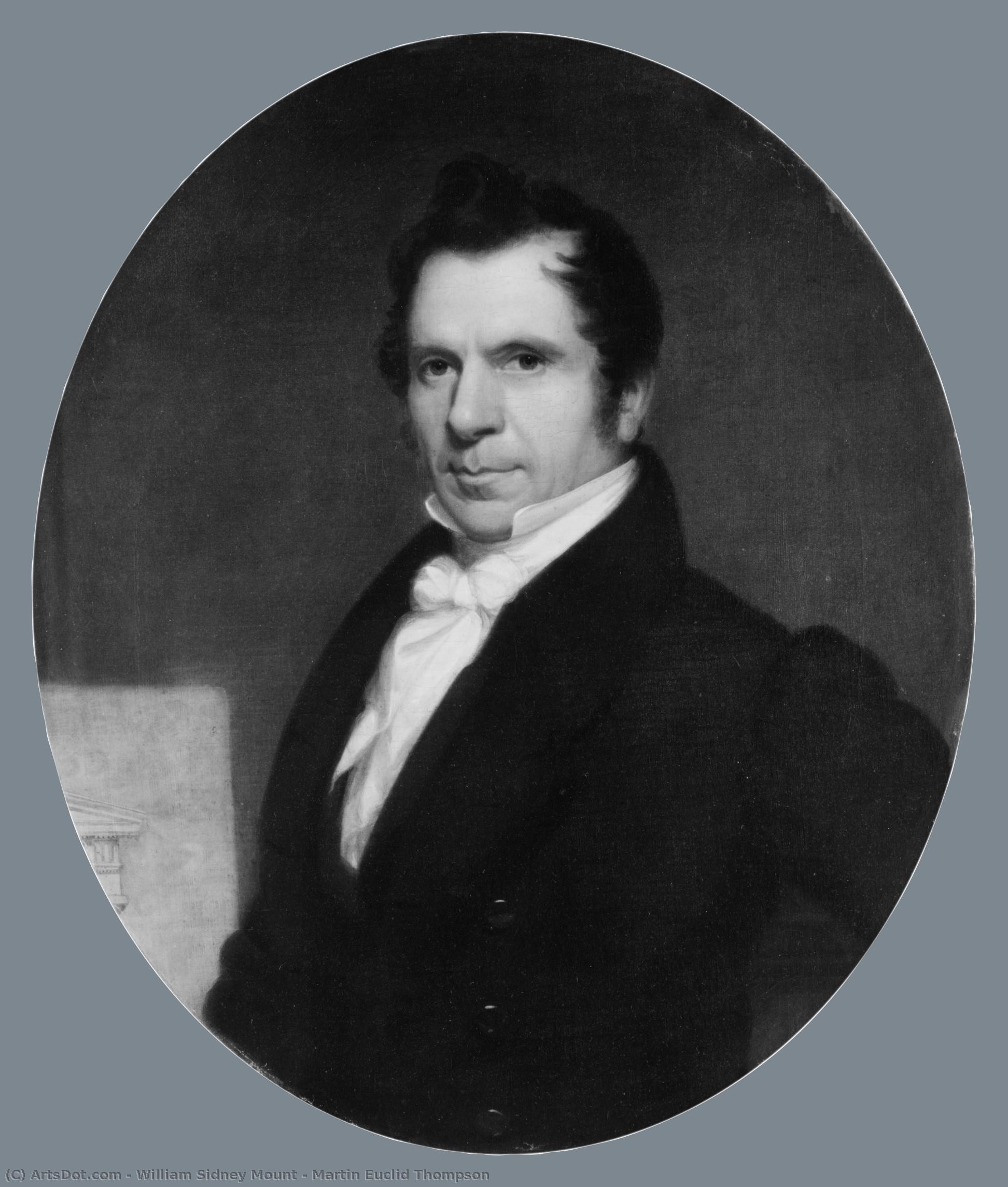
Martin Euclid Thompson
 Lithograph
- WallArt
- 19th-century Portraiture
 1830
1830 76.0 x 62.0 cm
 Metropolitan Museum of Art
 Read More
Purchase a high-resolution, enhanced digital image, far superior to the online preview.
Each file is meticulously prepared by our in-house specialists using advanced tools and expert manual retouching. We ensure every image has exceptional clarity, precise color accuracy, and fine detail.
The final file is delivered via email within 72 hours, optimized for immediate use in professional, editorial, and print environments. This is the same quality trusted by top-tier design studios, publishers, and galleries.
Digital Image
Download a high-resolution file for personal display, printing, and creative projects. ( Buy Print Buy Hand Made Painting)
Included in Every Digital Image Order
Expert Digital Delivery, Guaranteed
When you choose OriginalUniqueArt.com, you're not just getting an image - you're receiving a professionally enhanced digital artwork, crafted with precision and backed by a satisfaction guarantee. Here's everything that comes with your order, automatically:

Fast Email Delivery
Your high-resolution digital image file will be emailed to you within 72 hours of ordering - ready for immediate use.

AI-Enhanced Digital File
Your artwork is professionally optimized using advanced AI tools and manual editing, ensuring maximum detail, clarity, and color accuracy.

Free Lifetime Re-Delivery
Accidentally deleted or lost your file? No worries - we'll resend it to you anytime, free of charge.

No Import Fees - Ever
Enjoy your artwork instantly with zero customs, duties, or delivery fees - digital downloads are always tax-free.

Color Accuracy Guarantee
We ensure your digital image reflects the original colors as closely as possible using professional tools and color management.

60-Day Satisfaction Guarantee
If you're not satisfied with your digital image, we'll revise it or refund 100% within 60 days - no questions asked.

100% Money-Back Guarantee
Not satisfied? Get a full refund within 60 days of receiving your digital file - no questions asked.

Bulk Order Discounts
Buy 3 images, save 10% - Buy 5, save 15% - Buy 10+, save 20%. Great for creative projects, galleries, and agencies.
Collectible Description
A Portrait of Dignified Reserve: Martin Euclid Thompson by William Sidney Mount
William Sidney Mount’s “Martin Euclid Thompson,” painted in 1830, is more than just a likeness; it's a carefully constructed tableau of mid-nineteenth-century American identity. This monochrome portrait, rendered with the meticulous detail characteristic of Mount’s work and likely executed through lithography or engraving, offers a glimpse into the social fabric of its time – a world of formal propriety, quiet industry, and understated elegance. The subject himself, Martin Euclid Thompson, appears not as a flamboyant personality but as a man defined by his composure and bearing, embodying a restrained yet dignified presence that speaks volumes about his station in life.
Mount’s artistic approach is deeply rooted in the tradition of genre painting, a movement he helped pioneer in America. Rather than grand historical scenes or dramatic narratives, Mount focused on capturing the everyday lives of ordinary people – farmers, laborers, and merchants – imbuing these subjects with dignity and respect. In “Thompson,” this principle is powerfully demonstrated. The composition centers squarely on the subject’s head and shoulders, framed within a subtle oval, directing our gaze immediately to his face. This deliberate framing reinforces the portrait's purpose: to present Thompson as an individual worthy of contemplation and admiration.
The Language of Line and Tone
The painting’s strength lies in its masterful use of line and tone. Mount employs a remarkably precise linework, meticulously delineating the contours of Thompson’s face – the sharp angles of his jawline, the subtle curve of his nose, the careful rendering of his eyes. These lines aren't merely descriptive; they convey character, hinting at intelligence and self-awareness. Crucially, Mount utilizes a sophisticated system of shading to create texture and depth, suggesting the weight of the dark suit, the smoothness of the shirt fabric, and even the subtle roughness of the hair. The grayscale palette – a hallmark of lithography – allows for an extraordinary level of tonal control, creating a sense of quiet sophistication and avoiding the vibrancy often associated with color portraits.
The background is deliberately muted, fading into a neutral gray that serves to further isolate Thompson and emphasize his presence. This lack of detail isn’t a sign of carelessness; rather, it's a deliberate artistic choice, aligning with the conventions of portraiture at the time, where the subject was typically presented as the focal point, divorced from distracting surroundings. The shallow perspective reinforces this sense of immediacy, drawing the viewer directly into Thompson’s world.
Historical Context and Symbolic Resonance
“Martin Euclid Thompson” is a product of its era – the early 19th century in America, a period marked by rapid industrialization, westward expansion, and the solidification of social hierarchies. The subject's attire—a formal black suit with a crisp white shirt and bow tie—clearly indicates his status as a man of means and respectability. The portrait reflects the values of the time: order, discipline, and adherence to established norms. It’s a visual testament to the importance placed on appearances and social standing.
Interestingly, research reveals that William Sidney Mount was deeply influenced by his brother, Shepard Alonzo Mount, who specialized in still-life paintings featuring fish. This connection suggests an appreciation for detail and observation – qualities that undoubtedly informed Mount’s approach to portraiture. Furthermore, the work aligns with broader artistic trends of the period, echoing the formal conventions established by artists like Henry Inman, whose portraits were highly sought after during this time.
A Legacy of Dignified Representation
“Martin Euclid Thompson” is a compelling example of William Sidney Mount’s ability to capture not just physical likeness but also the essence of his subject. It's a portrait that invites contemplation, prompting us to consider the values and aspirations of a bygone era. Reproductions of this piece offer a unique opportunity to bring this evocative image into contemporary spaces – a chance to appreciate the artistry of Mount’s technique and to connect with the quiet dignity of Martin Euclid Thompson himself. The painting's understated elegance makes it an ideal addition to any collection, serving as both a beautiful work of art and a window into American history.
Artist Biography
A Pioneer of American Genre Painting
William Sidney Mount, born November 26, 1807, in the quiet hamlet of Setauket, Long Island, emerged as a pivotal figure in the development of distinctly American art. He wasn’t drawn to the grand historical narratives or formal portraiture favored by many of his contemporaries; instead, Mount turned his keen eye toward the everyday lives unfolding around him – the farmers, musicians, and ordinary folk who populated the rural landscapes of 19th-century Long Island. This dedication to depicting scenes of common life established him as a pioneer of genre painting in America, a style that celebrated the dignity and inherent beauty found within the mundane. His artistic journey was deeply rooted in his upbringing; his father operated a bustling farm, store, and tavern, while his uncle Micah Hawkins was a man of varied talents – a composer, playwright, mimic, and poet – fostering an environment rich with both artistic expression and observation of human character.Early Training and Artistic Awakening
Mount’s initial foray into the art world began not in a formal academy but through an apprenticeship with his older brother, Henry Smith Mount, a sign painter in New York City. This practical training honed his skills in draftsmanship and painting technique, providing a solid foundation for future endeavors. However, it was a visit to the American Academy of the Fine Arts exhibition in 1825 that truly ignited his artistic passion. Immersed in the works of established artists, Mount experienced an awakening, shifting his focus from traditional subjects toward capturing authentic moments from everyday life. He established his own studio in New York City in 1829, a significant step towards independence and solidifying his commitment to pursuing art as a profession. Though initially influenced by historical painting—he created works like *Christ Raising the Daughter of Jairus* (1828)—Mount soon found his true calling lay in portraying the world he knew best: the rural life of Long Island. He was captivated by the rhythms and interactions of those around him, recognizing a compelling narrative within their simple existence.Capturing Rural Life with Realism and Warmth
Mount’s artistic style is characterized by an unwavering realism coupled with a remarkable ability to infuse his scenes with warmth and humor. He didn't idealize rural life; rather, he presented it as it was – full of both labor and leisure, hardship and joy. His attention to detail is meticulous, from the textures of clothing to the expressions on faces, creating a sense of immediacy and authenticity. *Dancing on the Barn Floor* (1831), one of his early successes, exemplifies this approach; it’s a lively depiction of a rural dance, brimming with energy and capturing the spirit of communal celebration. Later works like *The Banjo Player* (1856) demonstrate not only his technical skill but also a profound sensitivity to his subjects. This poignant portrait of an African American musician is particularly noteworthy for its dignified portrayal, challenging prevailing stereotypes of the time. Other notable paintings include *The Long Story* (also known as *The Tough Story*) and *Right and Left*, each offering a glimpse into the lives and experiences of ordinary Americans.Innovation Beyond the Canvas
Mount’s creativity extended beyond painting; he was also an accomplished musician and inventor. He played the fiddle with skill, composed music, and dedicated considerable time to designing his own version of the violin, which he affectionately named the “Cradle of Harmony.” This passion for music frequently found its way into his artwork, with many paintings featuring musicians or scenes of musical performance. In 1860, demonstrating a remarkable spirit of innovation, Mount constructed a portable studio within a horse-drawn wagon. This mobile workspace allowed him to travel freely throughout Long Island, painting directly from life and capturing spontaneous moments as they unfolded. It was a testament to his dedication to authenticity and his desire to connect with the people he depicted.Legacy and Enduring Influence
William Sidney Mount passed away on November 19, 1868, in his beloved Setauket, leaving behind a rich artistic legacy that continues to resonate today. His pioneering work in genre painting helped establish it as a significant force within the American art landscape, paving the way for future generations of artists who sought to capture the essence of American identity and culture. He is remembered not only for his technical skill and realistic depictions but also for his compassionate portrayal of everyday people, celebrating their lives with dignity and respect. His home and studio are now designated as a National Historic Landmark, preserving his creative space as a testament to his enduring influence. Mount’s paintings offer a valuable window into 19th-century American life, reminding us of the beauty and significance found within the ordinary moments that shape our shared history. He was truly a chronicler of rural America, an artist who understood the power of art to connect us to our past and to each other.
William Sidney Mount
1807 - 1868 , United States of America
Quick Facts
- Artistic Movement Or Style: Genre painting, Realism
- Artists Or Movements Influenced By This Artist: ['American Genre Painting']
- Artists Who Influenced This Artist:
- Benjamin West
- William Hogarth
- Date Of Birth: November 26, 1807
- Date Of Death: November 19, 1868
- Full Name: William Sidney Mount
- Nationality: American
- Notable Artworks:
- The Banjo Player
- The Long Story
- Dancing on Barn Floor
- Right and Left
- Loss and Gain
- School Boys Quarreling
- Place Of Birth: Setauket, USA

