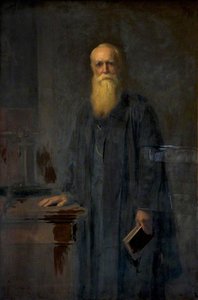
Preview
 Send
Send Share
Share
 Details

 Download
 Similars
 X-Ray
X-Ray Diaporama
 Stats
StatsRobert Ransome
 1875
1875 59.0 x 50.0 cm
 Read More
Giclée / Art Print
Museum-quality giclée or canvas print with fast production and flexible finish options. ( Buy Hand Made Painting Switch to Digital Image)




































Pick from our preset sizes that match the artwork's original proportions.

You may enter your own dimensions to fit a specific frame or space. If your selected size does not match the original image's proportions, we will either crop the artwork or extend the image with a mirrored or solid-fill edge. A digital mockup will be sent for your approval before production begins.
Please note that the on-screen preview does not reflect the actual cropping or extension. Only the mockup will accurately show the final composition.
While custom sizes are available, we recommend selecting a dimension from the predefined list to preserve the original proportions.
Worldwide Delivery () in 2 weeks instead of standard 4/5 weeks. (17 September)

Free Worldwide Express Shipping

High-Quality Linen Canvas

Full Shipping Insurance

Customs Tax Refund Guarantee

True Color Matching Guarantee

100-Day Return Policy (Defects Only)

100% Money-Back Guarantee

Bulk Discount Offer
 Glass option is only available in size under 110 CM

Robert Ransome
Giclée / Art Print
Reproduction Size
-


Total Price
$ 81
Artist Biography
A Life Subtly Revealed: William Robert Symonds and the Currents of Victorian Thought
William Robert Symonds, born in 1851, remains a figure shrouded in a delicate ambiguity – a poet, cultural historian, and scholar whose life was deeply interwoven with the intellectual and social upheavals of late Victorian England. While not a household name like his father, John Addington Symonds, a prominent literary critic and advocate for Greek love, William’s contributions offer a fascinating lens through which to view the complexities of the era. His existence wasn't one of grand public pronouncements but rather a quiet exploration of Renaissance studies, homoerotic themes, and the burgeoning field of cultural history, all conducted within the constraints – and often the shadows – of Victorian morality. He died in 1934, leaving behind a body of work that continues to intrigue scholars for its nuanced perspectives and personal revelations.Early Influences and Academic Pursuits
The shadow of his father loomed large over William’s early life. John Addington Symonds was a pivotal figure in the Aesthetic movement, championing the beauty of classical art and literature, and openly (though cautiously) discussing same-sex attraction in his writings. This intellectual environment undoubtedly shaped young William's sensibilities. He received a privileged education, fostering a deep love for languages, history, and the arts. He pursued academic studies with diligence, focusing on the Italian Renaissance – a period he found particularly resonant due to its flourishing of artistic expression and, importantly, its more tolerant attitudes towards same-sex relationships compared to Victorian England. His early scholarship wasn’t marked by radical departures from established norms; rather, it was characterized by meticulous research and a growing fascination with the social contexts that shaped Renaissance art and literature. He absorbed his father's passion for classical ideals but began to carve out his own path, moving beyond purely aesthetic appreciation towards a more sociological understanding of culture.Themes and Artistic Development
Symonds’ work is distinguished by its subtle yet persistent exploration of homoerotic desire, often veiled within the framework of Renaissance studies. He didn't directly advocate for homosexual rights in the manner of his father; instead, he embedded his interests within detailed analyses of Italian poetry, art, and social customs. His writings frequently focus on male beauty, idealized friendships, and the passionate bonds between men – themes that would have been considered highly controversial at the time. His approach was one of careful allusion and coded language, allowing him to navigate the treacherous waters of Victorian censorship while still expressing his own sensibilities. He wasn’t solely preoccupied with sexuality; he also demonstrated a keen interest in the social history of Florence, examining the lives of artisans, merchants, and ordinary citizens alongside the more celebrated figures of the Renaissance. This broader focus distinguishes him from purely aesthetic or biographical studies. His poetry, though less widely known than his historical work, often reflects similar themes – longing, unrequited love, and a melancholic yearning for connection.Major Achievements and Historical Significance
While Symonds didn’t produce any single landmark publication that catapulted him to fame, his cumulative body of work represents a significant contribution to the understanding of Renaissance culture and Victorian intellectual life. His detailed studies of Florentine society provided valuable insights into the daily lives and social structures of the period, moving beyond traditional narratives focused solely on political events and artistic masterpieces.- His meticulous research challenged conventional interpretations of Renaissance art and literature.
- He offered a nuanced perspective on the complexities of male relationships in both the Renaissance and Victorian eras.
- His work, though often coded, contributed to a growing body of scholarship exploring same-sex desire in historical contexts.

william robert symonds
1851 - 1934
Quick Facts
- Artistic Movement Or Style: Symbolist Art
- Artists Or Movements Influenced By This Artist: ['Renaissance Art']
- Artists Who Influenced This Artist: ['John Addington Symonds']
- Date Of Birth: 1851
- Date Of Death: 1934
- Full Name: William Robert Symonds
- Nationality: British
- Notable Artworks:
- Heather
- Girl with a Silver Fish
- Place Of Birth: Yoxford, Suffolk