 Preview
 Send
Send Share
Share
 Details
 Guide
Guide

 Download
 Similars
 X-Ray
X-Ray Diaporama
 Q&A
Q&A Stats
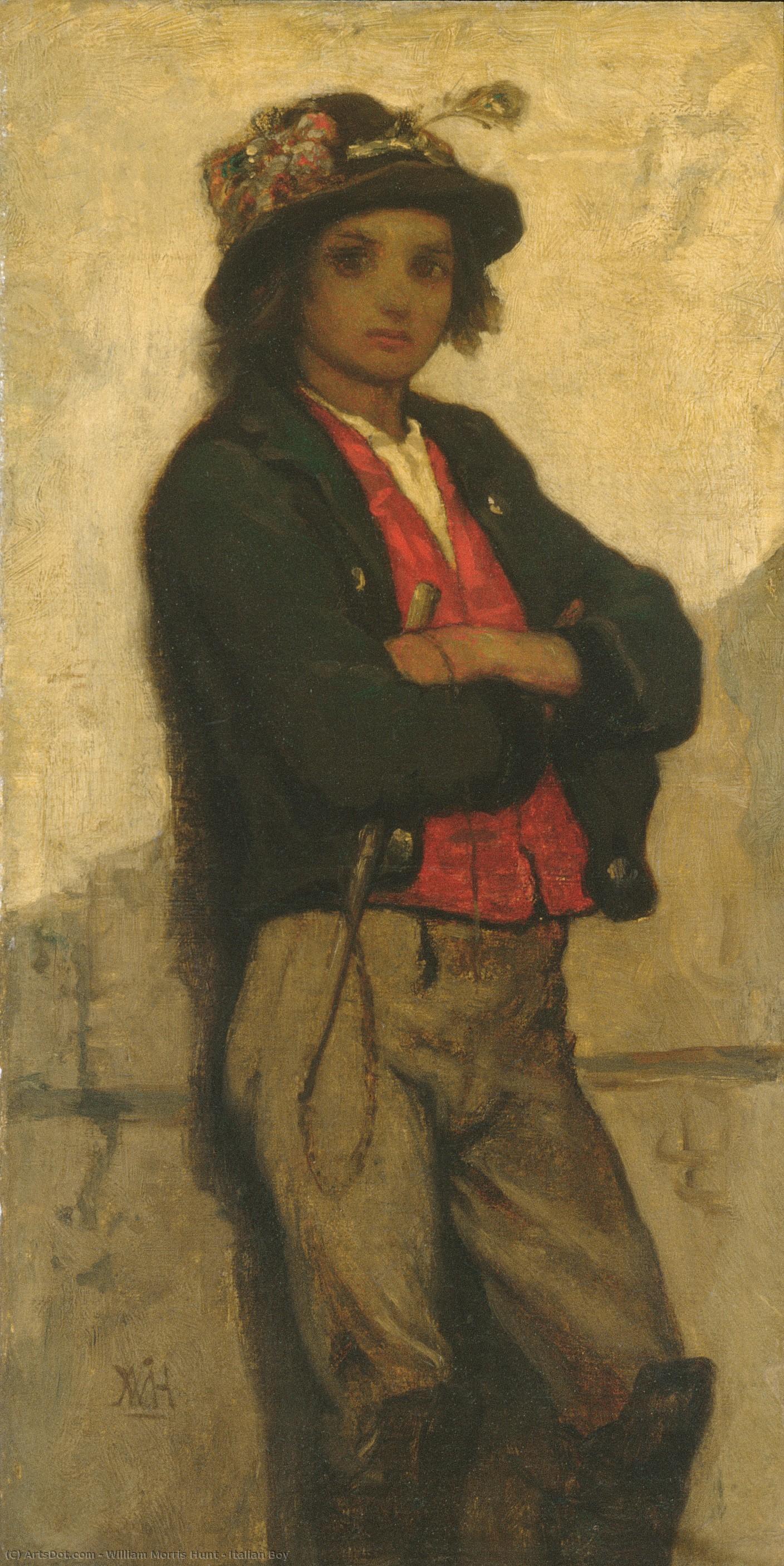
StatsItalian Boy

- 36.0 x 22.0 cm


 Read More
Giclée / Art Print
Museum-quality giclée or canvas print with fast production and flexible finish options. ( Buy Hand Made Painting Switch to Digital Image)




P118B $10

P118H $10

P118W $10

P438Z $10

P508JH $12

P508YH $12

P805H $10

P805Z $10

P919BZ $10

P919G $10

P919XJ $10

P959ZH $10

P968JZ $12

W106C $8

W218G $10

W218JH $8

W218Y $10

W307PJ $10

W316G $10

W316PJ $8

W316Y $10

W398PJ $8

W4111J $10

W500HY $15

W500JH $15

W692G $12

W849H $8

W940BG $15

W953PJ $8




Pick from our preset sizes that match the artwork's original proportions.

Type the width and the height you need, to fit your frame or your wall. A print can only be cut, never made bigger than the picture, so a size with a different shape loses a part of the image. We send you a digital mockup to approve before we print anything. The picture shown on this page does not show the real cut — only the mockup does.
Worldwide Delivery () in 2 weeks instead of standard 4/5 weeks. (7 November)

Free Worldwide Express Shipping

High-Quality Linen Canvas

Full Shipping Insurance

Customs Tax Refund Guarantee

True Color Matching Guarantee

100-Day Return Policy (Defects Only)

100% Money-Back Guarantee

Bulk Discount Offer
 Glass option is only available in size under 110 CM

Italian Boy
Giclée / Art Print
Reproduction Size
-


Total Price
$ 81
A Window into Victorian Sensibility: William Morris Hunt’s “Italian Boy”
William Morris Hunt’s “Italian Boy,” completed in 1866, transcends mere portraiture; it embodies the spirit of the Barbizon School and captures a moment of contemplative beauty within the burgeoning American art scene. Painted during a period marked by fascination with European artistic traditions – particularly Millet’s landscapes – Hunt sought to infuse his work with a palpable sense of atmosphere and psychological depth.
- Subject Matter: The painting depicts a young man, dressed in a striking scarlet jacket adorned with white buttons, posed confidently before a stone wall. This deliberate positioning suggests an awareness of artistic convention, echoing the compositional strategies favored by Barbizon painters who prioritized capturing natural light and texture.
- Style & Technique: Hunt’s masterful brushwork exemplifies the Barbizon aesthetic—characterized by loose, expressive strokes that prioritize tonal variation over meticulous detail. The artist skillfully renders the stone wall with subtle shading, creating a grounding element against which the youthful figure is presented. Notice how light dances across his skin and clothing, conveying an impression of warmth and serenity.
- Historical Context: Produced in Boston during Hunt’s formative years as an artist, “Italian Boy” reflects the broader cultural currents of Victorian America. The fascination with classical ideals and the desire for artistic refinement were prevalent at the time, influencing artists like Hunt to emulate European masters and explore themes of moral virtue and spiritual contemplation.
- Symbolism & Emotion: Beyond its formal qualities, the painting speaks volumes about human character. The young man’s gaze directs outwards, hinting at an inner life brimming with curiosity and introspection. The subdued palette—dominated by earthy tones—contributes to a mood of quiet dignity and understated grace.
Influence of Millet & European Landscape Painting
Hunt's artistic vision was profoundly shaped by Jean-François Millet, whose depictions of rural life resonated deeply with American artists striving for authenticity. Like Millet, Hunt sought to portray the human figure within its natural surroundings, prioritizing observation and tonal harmony over idealized representation. This commitment to capturing the essence of nature aligns perfectly with the Barbizon School’s core principles.
The Metropolitan Museum of Art's Acquisition
“Italian Boy” holds a prominent place in The Metropolitan Museum of Art’s collection, demonstrating its enduring appeal and scholarly significance. Its inclusion underscores the museum’s dedication to preserving and disseminating American art history—a testament to Hunt’s contribution to shaping the artistic landscape of his time.
A Legacy of Luminosity & Detail
William Morris Hunt's “Italian Boy” remains a captivating exemplar of Barbizon painting, showcasing his remarkable ability to convey emotion and atmosphere through masterful technique. Its luminous brushstrokes and subtle tonal gradations continue to inspire artists and collectors alike—a timeless portrait that embodies the quiet elegance and contemplative spirit of Victorian America.
Questions & Answers
Which museum holds the original "Italian Boy"?
"Italian Boy" by William Morris Hunt is on display at the Metropolitan Museum of Art, new york, United States of America. The museum listing refers to the original work, not to reproductions.
What use is suggested for "Italian Boy" by William Morris Hunt?
The suggested use for "Italian Boy" by William Morris Hunt is accent. It can serve other purposes as well.
What size should I print "Italian Boy" for my room?
In a living room, "Italian Boy" is suggested at a medium print size.
Artist Biography
A Pioneer of American Barbizon Painting
William Morris Hunt, born in Brattleboro, Vermont, in 1824, stands as a pivotal figure in the development of American art during the 19th century. He wasn’t merely a painter; he was an advocate, an educator, and a catalyst who championed the principles of the Barbizon School on American soil. Hunt's lineage reflected both established societal roots – his father descended from Vermont founders, while his mother hailed from Connecticut wealth – and a burgeoning artistic sensibility that would ultimately redefine the landscape of American painting. His early life was marked by privilege but also by an initial suppression of creative inclinations, a situation rectified when his determined mother, Jane Leavitt Hunt, defied convention and relocated the family to Europe in pursuit of proper artistic training for her children. This bold move set the stage for Hunt’s profound engagement with European masters and ultimately shaped his distinctive style.Formative Years in France: Millet and the Barbizon Circle
Hunt's formal education began under Thomas Couture in Paris, where he received a grounding in classical techniques. However, it was an encounter at the 1851 Paris Salon that irrevocably altered his artistic trajectory. Jean-François Millet’s *The Sower* resonated deeply with Hunt, sparking a profound shift in his aesthetic sensibilities. He abandoned the rigid constraints of academic painting and embarked on a two-year period of direct study with Millet at Barbizon. This immersion into the heart of the Barbizon School proved transformative. The emphasis on plein air painting – working directly from nature – and a commitment to depicting rural life with honesty and realism became cornerstones of Hunt’s artistic philosophy. He absorbed not only Millet's technical approach but also his profound respect for the dignity of labor and the beauty inherent in everyday existence. Historian David McCullough noted that this French training significantly advanced Hunt’s development, while S.G.W. Benjamin recognized his role in directing younger American artists towards Paris and Munich, fostering a new boldness in technique and style.Returning to America: Portraiture and Landscape
Upon returning to the United States in 1855, following his marriage to Louise Dumaresq Perkins, Hunt established himself as a prominent artist in Boston. While he achieved considerable success as a portrait painter – capturing the likenesses of notable figures like William M. Evarts, Charles Francis Adams, and Senator Charles Sumner – landscape painting remained central to his artistic identity. His landscapes reflected the Barbizon influence: loose brushwork, realistic depictions of rural scenes, and an acute sensitivity to atmospheric effects. He didn’t simply reproduce nature; he sought to capture its essence, its mood, and its fleeting moments of beauty. Notable works from this period include *The Belated Kid*, *Girl at the Fountain*, *Hurdy-Gurdy Boy*, *View of the St. Johns River* (1874), *Woman with Cow* (1874) and *Niagara Falls* (1878). However, tragedy struck in 1872 when the Great Boston Fire consumed many of his paintings, along with a valuable collection of French art, including his cherished copy of Millet’s *The Sower*.Later Years, Legacy, and Artistic Philosophy
Despite this devastating loss, Hunt continued to paint, accepting commissions for murals at the State Capitol in Albany, New York. These allegorical scenes, unfortunately, deteriorated rapidly due to faulty installation, contributing to a period of profound disappointment and depression. This experience underscored his commitment to artistic integrity and the importance of proper materials and execution. In 1878, he published *Talks About Art*, a collection of essays that articulated his artistic philosophy and received widespread acclaim. Hunt’s legacy extends beyond his own paintings. He was a dedicated teacher who encouraged younger artists to embrace realism and plein air painting, leaving an indelible mark on the development of American art. He championed a shift away from academic conventions towards a more direct and honest engagement with nature, fostering a uniquely American artistic voice. His influence can be seen in the work of countless artists who followed, solidifying his position as a leading figure in the American Barbizon movement and a true pioneer of modern painting. He remains an important link between European traditions and the burgeoning artistic identity of 19th-century America.
William Morris Hunt
1824 - 1879 , United States of America
Quick Facts
- Full Name: William Morris Hunt
- Nationality: American
- Date Of Birth: 1824
- Date Of Death: 1879
- Place Of Birth: Brattleboro, United States of America
- Notable Artworks:
- The Belated Kid
- Girl at the Fountain
- Hurdy-Gurdy Boy
- View of St. Johns River
- Woman with Cow
- Niagara Falls
- Artistic Movement Or Style: Barbizon School
- Artists Who Influenced This Artist:
- Jean-François Millet
- Thomas Couture
- Artists Or Movements Influenced By This Artist: ['American Barbizon painters']
Related Articles

The Enduring Legacy of Oil on Canvas: Technique, History & Contemporary Practice
Explore the rich history & enduring techniques of oil painting on canvas. Discover the science behind its longevity, conservation practices, and contemporary relevance. Expert insights for art enthusiasts.

Crimson Threads of Narrative: Exploring Symbolism & Representation in Artworks Featuring the Red Dress
Explore the rich symbolism of the red dress in art history! From ancient power displays to iconic portraits like Cézanne’s 'Madame Cezanne', discover the cultural and artistic significance behind this captivating color. Expert analysis & insights.

The Enduring Legacy of Oil on Canvas: Technique, History & Aesthetic Impact
Explore the rich history & techniques of oil painting – from Renaissance masters to Impressionism. Discover pigments, layering methods, and why this timeless medium endures. Expert insights for artists & art enthusiasts.

The Enduring Power of Painting: A Historical & Contemporary Exploration of Form and Emotion
Explore the rich history & enduring techniques of oil painting with OriginalUniqueArt. Discover masterpieces, learn about art collecting, and find authentic handmade reproductions crafted by skilled artists.

Oil on Canvas: A Historical & Technical Exploration of a Timeless Artistic Medium
Explore the rich history & enduring techniques of oil painting on canvas. Discover the science behind its longevity, conservation practices, and contemporary relevance. Expert insights for art enthusiasts.