- Home

- Print on canvas
- william herbert allen
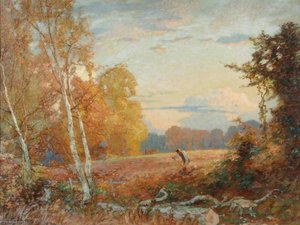
- Birch Trees

 Buy Painting
 Send
Send Share
Share
 Details

 Download
 Similars
 X-Ray
X-Ray Diaporama
Birch Trees
 33.0 x 43.0 cm
 Read More
Giclée / Art Print
Museum-quality giclée or canvas print with fast production and flexible finish options.




































Pick from our preset sizes that match the artwork's original proportions.

You may enter your own dimensions to fit a specific frame or space. If your selected size does not match the original image's proportions, we will either crop the artwork or extend the image with a mirrored or solid-fill edge. A digital mockup will be sent for your approval before production begins.
Please note that the on-screen preview does not reflect the actual cropping or extension. Only the mockup will accurately show the final composition.
While custom sizes are available, we recommend selecting a dimension from the predefined list to preserve the original proportions.
Worldwide Delivery () in 2 weeks instead of standard 4/5 weeks. (22 July)

Free Worldwide Express Shipping

High-Quality Linen Canvas

Full Shipping Insurance

Customs Tax Refund Guarantee

True Color Matching Guarantee

60-Day Return Policy (Defects Only)

100% Money-Back Guarantee

Bulk Discount Offer
 Glass option is only available in size under 110 CM

Birch Trees
Giclée / Art Print
Reproduction Size
-


Total Price
-
Artist Biography
William Herbert Allen: A Painter of Surrey’s Soul
The canvases of William Herbert Allen, a largely unsung figure of 19th-century British art, offer a remarkably intimate and enduring portrait of the English countryside. Born in West Brompton, London, in 1863, Allen’s artistic journey began not with grand ambitions or formal training, but with a deep connection to his native Surrey – a region he would dedicate over five decades to meticulously capturing on canvas. His work transcends mere landscape painting; it's a poignant meditation on rural life, the changing seasons, and the quiet dignity of everyday existence, imbued with a subtle melancholy that resonates even today.
Allen’s early career was shaped by his role as Director of the Farnham School of Art. This position afforded him invaluable experience in teaching and observing the world around him, fostering an appreciation for both the beauty and the hardships of rural life. He wasn't a flamboyant artist seeking fame; instead, he embraced a more contemplative approach, often working “in the field,” directly from observation, allowing his brush to instinctively translate the fleeting effects of light and weather onto paper or canvas. This commitment to direct experience is evident in the immediacy and authenticity of his work – a quality increasingly rare in art of that era.
A Palette of Seasons and Stories
Allen’s artistic style evolved over time, reflecting both his personal experiences and broader influences. Initially, he produced vibrant watercolours capturing the lush greens and golden hues of Surrey's meadows and woodlands. These early works are characterized by a bold use of colour and a loose, expressive brushstroke – a hallmark of the Impressionist movement, though Allen’s approach was distinctly rooted in his own observations rather than purely stylistic imitation. As he matured, his palette became more subdued, favouring earth tones and muted blues and greys to convey the atmospheric conditions of the region. He skillfully depicted the effects of rain, mist, and fog, creating a sense of depth and atmosphere that is truly remarkable.
His subjects were equally diverse. Allen wasn’t simply interested in idyllic pastoral scenes; he also documented the lives of farmers, shepherds, and labourers – capturing their toil, their resilience, and their connection to the land. Paintings like “Leading the Flock at Dusk” offer a glimpse into this world, portraying a scene of quiet industry under the fading light of day. These works are not romanticized depictions of rural life; they present a realistic portrayal of the challenges faced by those who worked the land, reflecting the economic hardships of the era.
Influences and Legacy
Allen’s artistic development was profoundly influenced by the Arts and Crafts movement, particularly through his association with Thomas Armstrong at the Royal College of Art. This connection instilled in him a deep respect for craftsmanship and a desire to capture the essence of traditional rural life. However, Allen's work also demonstrates an awareness of contemporary social issues, reflecting the agricultural depression that gripped Britain throughout much of the 19th century. His paintings serve as a visual record of this period, documenting both the beauty and the struggles of the countryside.
Despite his talent and dedication, Allen remained largely unknown during his lifetime. He was a private man who shunned publicity, preferring to focus on his art and teaching. It wasn’t until after his death in 1943 that his work began to receive wider recognition, thanks in part to the efforts of the Allen Gallery in Alton, which houses a significant collection of his paintings. Today, William Herbert Allen is increasingly appreciated as a significant figure in British landscape painting – an artist who captured the soul of Surrey and offered a poignant reflection on the changing face of rural England.
Notable Works
- Stranger’s Corner (1897): A quintessential Allen piece, this painting showcases his ability to capture light and atmosphere with remarkable precision. The composition is both intimate and expansive, drawing the viewer into a scene of quiet domesticity.
- Leading the Flock at Dusk (circa 1890s): A masterful depiction of rural life, conveying a sense of peace and tranquility while subtly hinting at the hardships faced by those who worked the land.
- A Country Walk (circa 1863): An early work that demonstrates Allen’s developing style – characterized by bold colours and expressive brushstrokes. It offers a vibrant glimpse into the beauty of Surrey's countryside.
A Lasting Impression
William Herbert Allen’s legacy lies not in grand exhibitions or critical acclaim, but in the quiet power of his paintings. They are windows onto a bygone era – a time when rural life was inextricably linked to the rhythms of nature and the dignity of labour. His work continues to resonate with viewers today, reminding us of the enduring beauty of the English countryside and the importance of preserving its cultural heritage.

william herbert allen
1863 - 1943
Quick Facts
- Artistic Movement Or Style: Landscape watercolor
- Artists Or Movements Influenced By This Artist: ['Arts and Crafts movement']
- Artists Who Influenced This Artist: ['Thomas Armstrong']
- Date Of Birth: September 14, 1863
- Date Of Death: 1943
- Full Name: William Herbert Allen
- Nationality: English
- Notable Artworks:
- Stranger's Corner
- Leading the Flock at Dusk
- A Country Walk
- Place Of Birth: West Brompton, London