Preview
 Send
Send Share
Share
 Details
 Guide
Guide

 Download
 Similars
 X-Ray
X-Ray Diaporama
 Stats
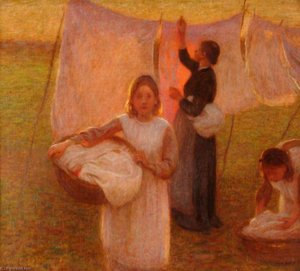
StatsNoonday
 Barbizon School
 72.0 x 92.0 cm
 Read More
The artwork displayed on this page is protected by copyright law, which means we cannot legally create or sell an identical reproduction. This protection is enforced under international agreements such as the Berne Convention and by national laws, including those outlined by the U.S. Copyright Law - Title 17.
This method fully complies with copyright regulations because it does not involve copying or duplicating the protected artwork. Instead, it is a creative reinterpretation - a new painting that is influenced by the original but not identical to it.
Giclée / Art Print
Museum-quality giclée or canvas print with fast production and flexible finish options. ( Buy Hand Made Painting Switch to Digital Image)




P118B $10

P118H $10

P118W $10

P438Z $10

P508JH $12

P508YH $12

P805H $10

P805Z $10

P919BZ $10

P919G $10

P919XJ $10

P959ZH $10

P968JZ $12

W106C $8

W218G $10

W218JH $8

W218Y $10

W307PJ $10

W316G $10

W316PJ $8

W316Y $10

W398PJ $8

W4111J $10

W500HY $15

W500JH $15

W692G $12

W849H $8

W940BG $15

W953PJ $8




Pick from our preset sizes that match the artwork's original proportions.

Type the width and the height you need, to fit your frame or your wall. A print can only be cut, never made bigger than the picture, so a size with a different shape loses a part of the image. We send you a digital mockup to approve before we print anything. The picture shown on this page does not show the real cut — only the mockup does.
Worldwide Delivery () in 2 weeks instead of standard 4/5 weeks. (26 October)

Free Worldwide Express Shipping

High-Quality Linen Canvas

Full Shipping Insurance

Customs Tax Refund Guarantee

True Color Matching Guarantee

100-Day Return Policy (Defects Only)

100% Money-Back Guarantee

Bulk Discount Offer
 Glass option is only available in size under 110 CM

Noonday
Giclée / Art Print
Reproduction Size
-


Total Price
$ 81
Artist Biography
A Vision of English Light: The Life and Legacy of William Edward Stott
In the tapestry of late Victorian art, few threads possess the quiet, evocative strength of William Edward Stott. Born in 1855 amidst the industrial landscape of Wardleworth, near Rochdale, Stott emerged from a world defined by the rhythmic toil of Lancashire’s cotton mills. While his father, Samuel Stott, presided over a successful mill, the young artist’s gaze was frequently drawn away from the smoke of industry toward the enduring beauty of the natural world. This early exposure to the stark contrasts between industrial progress and rural tradition would become a cornerstone of his artistic identity, instating in him a profound empathy for the lives of those tethered to the land.
Stott’s journey was one of significant geographical and stylistic evolution. His formal training took him to the heart of the art world in Paris, where he studied under the esteemed academic painter Carolus Duran. While this period provided him with a rigorous foundation in meticulous technique and classical composition, it also placed him at the epicenter of a burgeoning revolution. The whispers of Impressionism and the soulful, earth-bound realism of the Barbizon School began to permeate his consciousness. He found himself deeply moved by the work of Jules Bastien-Lepage, whose ability to marry naturalistic detail with an atmospheric, almost poetic sense of light offered Stott a new vocabulary for his own explorations.
The Art of Atmosphere and Rural Narrative
As his style matured, Stott transitioned from the rigid constraints of academicism toward a more fluid, emotive approach. His canvases became windows into a vanishing way of life, capturing the subtle shifts of light that define the English countryside. He did not merely paint landscapes; he painted atmospheres. Whether it was the soft, encroaching shadows in Approaching Night or the warm, sun-drenched serenity found in The Watering Place, Stott possessed a rare gift for rendering the ephemeral qualities of the air and the earth.
His subject matter often centered on the dignity of rural labor and the quiet rhythms of pastoral existence. In works such as Ploughing, Early Spring, one can sense the connection between the artist and his subjects—a shared understanding of the seasonal cycles and the physical reality of the landscape. His technique utilized a sophisticated palette to evoke mood, often employing:
- Naturalistic Color Palettes: Using earthy tones to ground his scenes in reality.
- Impressionistic Brushwork: Capturing the fleeting movement of light and wind.
- Tonal Depth: Creating a sense of space and melancholy through carefully managed shadows.
Historical Significance and Enduring Resonance
Though Stott may not have attained the global celebrity of his contemporaries like Monet or Renoir, his contribution to the British aesthetic remains vital. He stood at a pivotal historical crossroads, navigating the transition from the structured traditions of the 19th century to the more experimental sensibilities of the early 20th century. His work serves as a poignant historical record, preserving the essence of an English landscape and a social order that were rapidly being transformed by the very industrial forces he witnessed in his youth.
Today, Stott’s paintings continue to resonate with a modern audience, offering a sense of tranquility and a nostalgic connection to the pastoral. His ability to imbue ordinary scenes with extraordinary emotional weight ensures his place in the canon of British Naturalism. To view a Stott painting is to experience a moment of stillness—a chance to witness the quiet dignity of the earth and the enduring, beautiful melancholy of the passing light.

William Edward Stott
1918 -
Quick Facts
- Full Name: William Edward Stott
- Nationality: British
- Date Of Birth: 1918
- Date Of Death: March 19, 1918
- Place Of Birth: Wardleworth, Rochdale, UK
- Notable Artworks:
- Approaching Night
- Rural Landscapes
- Artistic Movement Or Style: Naturalism, Barbizon, Impressionist
- Artists Who Influenced This Artist:
- Bastien-Lepage
- Corot
- Millet
- Artists Or Movements Influenced By This Artist: ['New English Art Club']
Related Articles
The Barbizon School: The Revolution of Naturalism and the Birth of Plein Air Landscape Painting
Explore the profound impact of the Barbizon School on landscape painting. Discover how masters like Rousseau and Corot revolutionized art through plein air naturalism, moving from academic idealism to the authentic beauty of the French countryside.

John Constable's Masterpieces: Explore 25 Iconic Landscapes for Your Home
Journey through John Constable's 25 most celebrated landscapes. Explore Romanticism, Dedham Vale & his masterful use of light in iconic paintings like 'Hay Wain'. Find museum-quality art reproductions and elevate your home decor on OriginalUniqueArt.com.
Edward Wilkins Waite: A Victorian Vision of Surrey's Serene Landscapes & Artistic Legacy
Explore the serene landscapes of Edward Wilkins Waite (1854-1924), a prolific Victorian painter celebrated for his depictions of Surrey's countryside. Discover his artistic influences, career highlights & collecting guide.
Edward Hopper's Masterpieces: 25 Iconic Paintings & Their Enduring Legacy | OriginalUniqueArt
Explore 25 iconic Edward Hopper paintings & their stories. Discover American realism, urban loneliness, and timeless beauty through his masterpieces. Find museum-quality art reproductions & curated decor ideas at OriginalUniqueArt.com.

Cultivating Visions: A Historical Journey Through Rural Landscapes in Art
Explore the rich history of rural landscape painting with OriginalUniqueArt. Discover Impressionist masterpieces, key artists & movements. Find your perfect serene artwork and bring nature's beauty home.