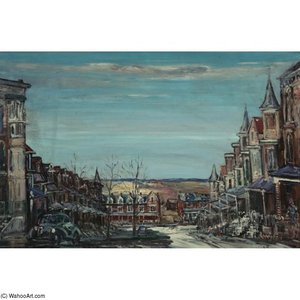
Bucks County Landscape
Hand Made Oil Reproduction
Hand-painted oil on canvas in your size and frame, made to order by our artists. ( Switch to Print
Switch to Image)
P118B $10
P118H $10
P118W $10
P438Z $10
P508JH $12
P508YH $12
P805H $10
P805Z $10
P919BZ $10
P919G $10
P919XJ $10
P959ZH $10
P968JZ $12
W106C $8
W218G $10
W218JH $8
W218Y $10
W307PJ $10
W316G $10
W316PJ $8
W316Y $10
W398PJ $8
W4111J $10
W500HY $15
W500JH $15
W692G $12
W849H $8
W940BG $15
W953PJ $8
Pick from our preset sizes that match the artwork's original proportions.
You may enter your own dimensions to fit a specific frame or space. If your selected size does not match the original image's proportions, we will either crop the artwork or extend the painting with additional hand-painted elements. A digital mockup will be sent for your approval before production begins.

Please note that the on-screen preview does not reflect the actual cropping or extension. Only the mockup will accurately show the final composition.
While custom sizes are available, we recommend selecting a dimension from the predefined list to preserve the original proportions.
After order, OriginalUniqueArt.com team will email client for instructions and provide a mockup preview
Worldwide Delivery () in 3/4 weeks instead of standard 5 weeks. (4 August). No compromise on quality.
Free Worldwide Express Shipping
High-Quality Linen Canvas
Full Shipping Insurance
Customs Tax Refund Guarantee
True Color Matching Guarantee
60-Day Return Policy (Defects Only)
100% Money-Back Guarantee
Bulk Discount Offer
Bucks County Landscape
Reproduction Medium
Reproduction Size
-
Total Price
$ 300
Artwork Description
Walter Emerson Baum’s “Bucks County Landscape” – A Winter Reverie
- Subject Matter: Walter Emerson Baum's "Bucks County Landscape" is a captivating winter scene, meticulously rendered to depict the quiet charm of Sellersville, Pennsylvania. The artwork focuses on a snow-blanketed street lined with quaint buildings and dominated by the imposing silhouette of a church steeple – a familiar landmark within the Bucks County landscape. The composition subtly guides the viewer’s eye down the snowy thoroughfare, creating a sense of peaceful exploration.
- Artistic Style & Technique: Baum's work exemplifies the Pennsylvania Impressionist movement, characterized by confident brushwork and an astute observation of atmospheric effects. The painting utilizes visible brushstrokes to build texture and depth, imbuing the scene with a tactile quality. Layered oil paints create a rich surface, capturing the nuances of snow-covered surfaces and weathered building facades. The artist skillfully employs rectangular shapes for buildings and triangular forms for the church steeple, balanced by organic elements like trees, creating a harmonious visual arrangement.
A Window into 1946 Pennsylvania
Painted in 1946, “Bucks County Landscape” offers a poignant glimpse into rural America during a pivotal moment in history. Baum’s dedication to portraying the local landscape reflects a broader trend within American art – a renewed interest in regional identity and a celebration of everyday life. Born in Sellersville, Pennsylvania, Baum's deep connection to his birthplace is palpable in this work; he was one of the few Pennsylvania impressionists born in Bucks County. The winter setting itself carries symbolic weight, representing stillness, dormancy, and perhaps even a sense of isolation – themes frequently explored by artists throughout history.
Symbolism & Emotional Resonance
- The Church: The prominent church steeple serves as a powerful symbol of faith and community within the rural setting. It represents not just religious belief but also the social fabric that held these small towns together.
- Winter’s Palette: The dominant cool tones – blues, grays, and whites – evoke the stark beauty of winter and contribute to the painting's overall mood of tranquility and contemplation. The subtle use of warmer colors within the building facades provides a delicate contrast, preventing the scene from becoming overly somber.
- Emotional Impact: Baum’s work invites viewers to pause and appreciate the simple beauty of a snow-covered landscape. The flattened perspective and diffused lighting create an atmosphere of quiet reflection, fostering a sense of nostalgia and connection to the natural world.
Historical Context & Artistic Legacy
Walter Emerson Baum's artistic journey was deeply intertwined with the development of American Impressionism. His training under masters like Thomas Anshutz and William Merritt Chase instilled in him a rigorous approach to painting, while his unwavering commitment to portraying the Pennsylvania landscape cemented his place as a significant figure within the region’s art scene. “Bucks County Landscape” stands as a testament to Baum's artistic vision and his enduring legacy as a champion of regional art and a skilled interpreter of the beauty found in everyday life. This piece exemplifies the artist's ability to capture not just a visual image, but also the spirit and soul of Bucks County.
Artist Biography
A Pennsylvania Impressionist: The Life and Art of Walter Emerson Baum
Walter Emerson Baum, a name synonymous with the artistic spirit of Bucks County and the Lehigh Valley, was more than just a painter; he was an educator, a champion of regional art, and a vital force in shaping Pennsylvania’s cultural landscape. Born in Sellersville, Pennsylvania, on December 14, 1884, Baum's life unfolded as a testament to his unwavering dedication to artistic expression and community enrichment. Unlike many artists drawn to established centers like New York or Paris, Baum remained deeply rooted in his native soil, finding endless inspiration in the rolling hills, quiet villages, and changing seasons of eastern Pennsylvania. His story is one of embracing local heritage while simultaneously contributing to a broader American Impressionist movement. Though his family operated a barbershop, young Walter’s passion for art was undeniable, nurtured early on through studies with Isaac Hilker in the traditional Pennsylvania-German decorative art form known as fraktur – an experience that instilled within him a meticulous attention to detail and a profound appreciation for craftsmanship. This foundational training would subtly inform his later work, even as he moved towards more modern styles.From Traditional Roots to Impressionistic Visions
Baum’s formal artistic education began with an apprenticeship under the renowned historical painter William B.T. Trego from 1904 to 1909, a period that provided him with a solid grounding in traditional painting techniques. He further refined his skills at the prestigious Pennsylvania Academy of the Fine Arts between 1905 and 1906, studying under luminaries such as Thomas Pollock Anshutz, Hugh H. Breckenridge, William Merritt Chase, and Cecilia Beaux. These influences were significant, yet Baum didn’t simply replicate their styles; he synthesized them with his own unique sensibility. Initially, his work leaned towards tonalism and realism, reflecting the artistic currents of the time. However, a gradual shift toward Impressionism began to take hold, fueled by exposure to artists like Homer, Eakins, and those associated with the Ashcan School, as well as fellow Pennsylvania painters Edward Redfield and Walter Elmer Schofield. Baum’s canvases blossomed with vibrant colors, rich textures, and visible brushstrokes – hallmarks of the Impressionist aesthetic – capturing not just what he *saw*, but how light and atmosphere transformed the landscape before his eyes. He became particularly known for his captivating views from hilltops overlooking the Bucks County countryside, compositions that drew viewers into the scene and evoked a sense of depth and tranquility. His versatility extended beyond oil painting; Baum skillfully employed pastels, casein, lithography, ink, graphite, and watercolors, demonstrating a mastery across various mediums.A Legacy Beyond the Canvas: Education and Advocacy
Walter Emerson Baum’s impact extended far beyond his own artistic creations. Recognizing the importance of art education, he founded the Baum School of Art in 1929, providing aspiring artists with invaluable training and mentorship. This institution became a cornerstone of the region's artistic community, fostering generations of talent. Simultaneously, Baum played a pivotal role in establishing the Allentown Art Museum, serving as its first director and guiding its early development. He understood that access to art – both creating it and experiencing it – was essential for a thriving society. In 1949, he collaborated with Dr. Charles H. Boehm to create the Bucks County Traveling Art Gallery, bringing Pennsylvania Impressionist art directly to school children throughout the county, igniting their imaginations and fostering an appreciation for local artistic heritage. Beyond these institutional contributions, Baum actively promoted regional artists through his writing as a columnist and art critic for both the *Sellersville Herald* and the *Philadelphia Evening and Sunday Bulletin*, providing insightful commentary on the evolving art world and championing the work of his peers.Historical Significance: The “Father of Art” and Enduring Influence
Walter Emerson Baum’s contributions earned him the affectionate title of "Father of Art in the Lehigh Valley," a testament to his profound impact on the region's artistic landscape. He stands as a quintessential representative of Pennsylvania Impressionism, embodying its characteristic focus on capturing the beauty of rural life and the fleeting effects of light and atmosphere. However, his legacy extends beyond stylistic categorization. The artists he mentored at the Baum School of Art – collectively known as “The Baum Circle” – carried on his artistic traditions and contributed to the continued vitality of the movement. His efforts to establish art institutions and traveling exhibitions were instrumental in preserving and promoting Pennsylvania’s rich artistic heritage for future generations. He received numerous accolades throughout his career, including the prestigious Jennie Sesnan Gold Medal in 1925 for his painting “Sunlight and Shadows,” solidifying his reputation within the artistic community. Baum's work continues to resonate today, reminding us of the power of art to connect us to our surroundings, celebrate local culture, and inspire creativity. He passed away on July 12, 1956, leaving behind a legacy that continues to enrich the artistic landscape of Pennsylvania and beyond.A Lasting Impression
- Key Influences: Homer, Eakins, Ashcan School artists, Edward Redfield, Walter Elmer Schofield.
- Major Achievements: Founder of the Baum School of Art and Allentown Art Museum; Jennie Sesnan Gold Medal recipient.
- Signature Style: Impressionistic landscapes with vibrant colors and visible brushstrokes, often depicting views from hilltops.
- Historical Significance: Considered the “Father of Art in the Lehigh Valley” and a pivotal figure in Pennsylvania Impressionism.
Walter Emerson Baum
1884 - 1956 , United States of America
Quick Facts
- Artistic Movement Or Style: Pennsylvania Impressionism
- Artists Or Movements Influenced By This Artist: ['The Baum Circle']
- Artists Who Influenced This Artist:
- Homer
- Eakins
- Redfield
- Schofield
- Date Of Birth: Dec 14, 1884
- Date Of Death: Jul 12, 1956
- Full Name: Walter Emerson Baum
- Nationality: American
- Notable Artworks:
- Summer Day
- Sunlight and Shadows
- Twelfth Street
- Pa Scene, Easton
- Place Of Birth: Sellersville, USA


Glass option is only available in size under 110 CM