Switch to Print
 Read More







































 For artworks or reproductions larger than 105 cm (approximately 41 inches) on any side, the frame will be shipped as a kit, disassembled. This method ensures safe delivery and prevents damage during transport.


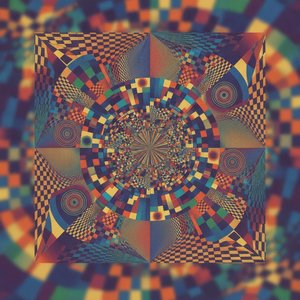
A Geometric Dance of Color: Exploring Victor Vasarely’s VEGA-EG-1-2
Victor Vasarely (1906-1997), a Hungarian sculptor and painter, stands as an undisputed titan amongst the architects of Op Art – Optical Art – a movement that irrevocably altered our perception of visual reality in the mid-20th century. His artwork VEGA-EG-1-2 exemplifies this groundbreaking style perfectly; it’s not merely a painting but a deliberate orchestration of geometric forms designed to provoke an illusionary experience, captivating viewers with its mesmerizing interplay of color and shape.
- Subject Matter: The composition centers around four vibrant red and blue spheres arranged in a square configuration. These aren't simply dots on canvas; they’re meticulously crafted elements that contribute to the overall visual dynamism.
- Style & Technique: Vasarely’s signature approach—characterized by repetitive geometric patterns—is brilliantly realized here. Employing oil paint on canvas, he achieves a remarkable textural depth and luminosity, capturing the essence of his artistic vision.
- Historical Context: Emerging in the wake of World War II, Op Art responded to anxieties surrounding mass media and technological advancements. Artists like Vasarely sought to challenge conventional notions of representation, prioritizing visual stimulation over literal depiction. It was a reaction against Surrealism’s dreamlike imagery and an embrace of rational order within the realm of perception.
- Symbolism & Emotional Impact: The honeycomb-like structure of the spheres isn't accidental; it symbolizes harmony and balance—concepts central to Vasarely’s philosophical framework. More profoundly, VEGA-EG-1-2 invites contemplation on how our eyes perceive space and color, prompting viewers to question their assumptions about reality and fostering a sense of wonder.
VEGA-EG-1-2 isn't just aesthetically pleasing; it represents a pivotal moment in art history. Vasarely’s meticulous technique—the careful layering of paint to create subtle variations in hue—demonstrates his unwavering commitment to exploring the boundaries of visual experience. Reproductions of this artwork offer an exceptional opportunity to bring a piece of modernist brilliance into any interior space, sparking conversation and inspiring appreciation for the transformative power of geometric abstraction.
- Interior Design Considerations: The bold color palette—primarily red and blue—can serve as a striking accent wall or complement existing furnishings.
- Collector’s Appeal: VEGA-EG-1-2 is recognized for its enduring aesthetic quality and its place within the canon of Op Art, guaranteeing its value and prestige among discerning collectors.
Questions & Answers
Is "VEGA-EG-1-2" by Victor Vasarely a bright or a dark artwork?
Overall, "VEGA-EG-1-2" is recorded as deep_shadow. Perceived brightness describes how light or dark the work appears.
Who created "VEGA-EG-1-2" and what style is it in?
Behind "VEGA-EG-1-2" stand Victor Vasarely and the Optical Illusion movement.
Is "VEGA-EG-1-2" by Victor Vasarely in the public domain?
The copyright answer for "VEGA-EG-1-2" by Victor Vasarely: the work is still protected by copyright. This determines whether reproductions of the image may be freely made.
More about this painting
 Preview
 Send
Send Share
Share
 Details
 Guide
Guide

 Download
 Similars
 X-Ray
X-Ray Diaporama
 Q&A
Q&A Stats
Stats