

 Preview
 Send
Send Share
Share
 Details
 Guide
Guide

 Download
 Similars
 X-Ray
X-Ray Diaporama
 Stats
StatsEl Salvador
 Oil On Panel
- WallArt
- Late Renaissance Mannerism
 1550
1550- Renaissance
 73.0 x 49.0 cm
 Prado Museum
 Read More
Hand Made Oil Reproduction
Hand-painted oil on canvas in your size and frame, made to order by our artists. ( Switch to Print Switch to Digital Image)




P118B $10

P118H $10

P118W $10

P438Z $10

P508JH $12

P508YH $12

P805H $10

P805Z $10

P919BZ $10

P919G $10

P919XJ $10

P959ZH $10

P968JZ $12

W106C $8

W218G $10

W218JH $8

W218Y $10

W307PJ $10

W316G $10

W316PJ $8

W316Y $10

W398PJ $8

W4111J $10

W500HY $15

W500JH $15

W692G $12

W849H $8

W940BG $15

W953PJ $8




Pick from our preset sizes that match the artwork's original proportions.

You may enter your own dimensions to fit a specific frame or space. If your selected size does not match the original image's proportions, we will either crop the artwork or extend the painting with additional hand-painted elements. A digital mockup will be sent for your approval before production begins.
Please note that the on-screen preview does not reflect the actual cropping or extension. Only the mockup will accurately show the final composition.
While custom sizes are available, we recommend selecting a dimension from the predefined list to preserve the original proportions.
After order, OriginalUniqueArt.com team will email client for instructions and provide a mockup preview
Worldwide Delivery () in 3/4 weeks instead of standard 5 weeks. (25 September). No compromise on quality.

Free Worldwide Express Shipping

High-Quality Linen Canvas

Full Shipping Insurance

Customs Tax Refund Guarantee

True Color Matching Guarantee

100-Day Return Policy (Defects Only)

100% Money-Back Guarantee

Bulk Discount Offer
 Glass option is only available in size under 110 CM

El Salvador
Reproduction Medium
Reproduction Size
-


Total Price
$ 300
A Divine Encounter in Color and Light
In the quiet presence of Vicente Juan Masip’s El Salvador, the viewer is not merely observing a painting but is invited into a profound moment of spiritual communion. Created around 1550, this masterpiece serves as a luminous window into the heart of the Valencian Renaissance. The central figure, Jesus Christ, emerges from the shadows with a serene yet commanding dignity, his gaze possessing an ethereal quality that seems to transcend the boundaries of the canvas. As he holds a piece of bread, a gesture deeply rooted in the mystery of the Eucharist, the painting captures a stillness that is both heavy with significance and light with divine grace. The composition, though intimate in scale, carries a monumental weight, drawing the eye toward the delicate interplay of textures—the soft folds of his robe, the ruggedness of the bread, and the subtle glint of the cup nearby.
The artistry of Masip is revealed through a masterful command of Mannerist techniques, where the artist moves beyond simple representation to evoke deep emotional resonance. Using oil on panel, Masip employs a sophisticated layering of translucent glazes that imbue the skin tones with a lifelike warmth and a pearlescent glow. The use of chiaroscuro—the dramatic contrast between light and shadow—is particularly striking here; it sculpts the figure of Christ, pulling him forward from a darkened, indeterminate background into a realm of palpable reality. This technique does more than create depth; it creates atmosphere, casting a contemplative mood that encourages the viewer to linger in silent meditation upon the sacred elements presented.
The Soul of the Valencian School
To understand El Salvador is to understand the spiritual landscape of 16th-century Spain. Vicente Juan Masip, often celebrated as the soul of the Valencian School, was a painter whose very process was an act of devotion. It is said that he would only paint after receiving Holy Communion, treating every brushstroke as a form of prayer. This profound piety is etched into the very fabric of his work. The painting reflects the transition from the balanced harmony of the High Renaissance to the more expressive and tension-filled aesthetics of Mannerism. While there is a clear sense of classical order in the figure's posture, there is also an underlying emotional complexity and a focus on the symbolic weight of the objects—the bread and the cup—which serve as powerful emblems of sacrifice and eternal life.
For the discerning collector or the interior designer seeking to infuse a space with character and depth, this work offers unparalleled inspiration. A high-quality reproduction of El Salvador brings more than just historical prestige into a room; it introduces a focal point of profound tranquility and intellectual intrigue. Whether placed in a sunlit library or a dimly lit study, the painting’s ability to command attention through its subtle nuances makes it a timeless addition to any curated collection. It is an invitation to experience the intersection of human skill and divine inspiration, providing a sense of permanence and peace in an ever-changing world.
Artist Biography
Vicente Juan Masip: The Soul of Valencian Renaissance
Vicente Juan Masip, also known as Joan de Joanes, stands as a pivotal figure in the history of Spanish art – specifically, the vibrant and deeply rooted Valencian School of painting. Born in La Font de la Figuera around 1507 and passing away in Bocairent in 1579, Masip’s life was inextricably linked to the artistic landscape of his native Valencia. He wasn't merely a painter; he was considered the foremost member of this influential school, shaping its distinctive style and leaving behind a legacy of exquisitely detailed religious scenes and portraits that continue to captivate viewers today. His story is one of quiet dedication, profound faith, and an unwavering commitment to mastering the craft of painting – a pursuit interwoven with spiritual devotion. Masip’s lineage played a significant role in his artistic development. He was the son of Vicente Masip (Andilla 1475 – Valencia 1545), himself a respected painter, and grandson of another artist, Vicente Masip Comes, known as Vicent de Joanes. This family tradition fostered an environment where art wasn’t just a profession but a deeply ingrained part of their identity. His daughters, Dorotea Joanes and Margarita Joanes, also followed in the artistic footsteps of their father, further solidifying the family's contribution to Valencian painting. Notably, Masip was mentored by Nicolás Borras, a key figure who helped shape his technique and understanding of composition. Masip’s artistic journey is believed to have been influenced by the Italian Renaissance, particularly the work of Sebastiano del Piombo, though some scholars debate whether he ever physically traveled to Italy. The stylistic affinities between Masip's paintings and those of del Piombo – a focus on clarity, balanced compositions, and a refined use of color – suggest a strong connection through artistic exchange, perhaps facilitated by Italian painters who worked in Valencia during the period. He was deeply influenced by the works of Luis de Vargas and Fra Angelico, artists whose emphasis on spiritual contemplation and meticulous detail resonated profoundly with Masip’s own approach to painting. He famously stated that he would only paint when he had received Holy Communion, elevating his artistic practice into a sacred ritual.A Master of Religious Imagery
Masip's oeuvre is overwhelmingly dominated by religious subjects – scenes from the Bible, depictions of saints, and representations of the Virgin Mary. These works are characterized by an extraordinary level of realism and technical skill. His paintings aren’t merely illustrations; they are imbued with a sense of profound dignity and emotional depth. He meticulously rendered fabrics, textures, and facial expressions, creating figures that appear remarkably lifelike. The use of color is particularly noteworthy – rich, luminous hues combined with subtle gradations to create a captivating visual experience. Among his most celebrated works are “Saint Stephen in the Synagogue” (1562), a powerful depiction of the biblical event showcasing remarkable detail and layered textures; "Martirio de San Esteban," a dramatic portrayal of Saint Stephen's martyrdom, demonstrating his ability to convey intense emotion through gesture and expression; and the “Visitation,” a tender scene capturing the moment when Mary visits Elizabeth. His altarpieces for churches throughout Valencia – including those in the Cathedral of Valencia, San Bartolomé de Benicarlo, and others – are testaments to his skill and artistic vision. The "Last Supper" is another significant work that showcases his mastery of perspective and composition.Valencian School Influence and Artistic Style
Vicente Juan Masip’s influence extended far beyond his own lifetime. He played a crucial role in establishing the Valencian School of painting, which developed its unique style through a combination of Italian Renaissance influences and local traditions. The school was known for its emphasis on realism, detailed rendering, and a focus on religious themes. Masip's meticulous attention to detail, combined with his profound understanding of human anatomy and expression, set him apart from other painters of the period. His style can be described as “Valencian Mannerism,” characterized by elongated figures, elegant poses, and an emphasis on psychological realism. He skillfully employed light and shadow to create a sense of depth and atmosphere, drawing viewers into the scenes he depicted. The works of Masip are often compared to those of Raphael, particularly in their clarity of form and balanced compositions, though Masip’s paintings possess a distinct emotional intensity that sets them apart.Legacy and Historical Significance
Despite his immense talent and contribution to the art world, Vicente Juan Masip remained largely unknown outside of Valencia during his lifetime. His work was primarily appreciated within the religious communities he served. However, in the 20th century, scholars began to recognize his importance as a key figure in Spanish Renaissance painting. Today, his paintings are housed in prestigious museums such as the Museo del Prado in Madrid and the Juan Cabré Museum in Valencia, ensuring that his artistic legacy endures. Masip’s dedication to his craft, combined with his profound spiritual beliefs, makes him a compelling subject for art historians and enthusiasts alike. He represents not only a master of technique but also a testament to the power of art as a means of expressing faith and conveying human emotion. His work continues to inspire artists and viewers alike, reminding us of the enduring beauty and significance of the Valencian Renaissance School.Further Resources
- Juan Cabré Museum: https://en.wikipedia.org/wiki/Juan_Cabr%C3%A9_Museum
- Monasterio de San Juan de los Reyes: https://en.wikipedia.org/wiki/Monastery_of_San_John_of-the-Reyes
- Vicente Juan Masip - Google Arts & Culture: https://artsandculture.google.com/entity/vicente-juan-masip/m05l2qk?hl=en
- Wikipedia - Vicente Juan Masip:https://en.wikipedia.org/wiki/Vicente_Juan_Masip

vicente juan masip
1507 - 1579 , Spain
Quick Facts
- Artistic Movement Or Style: Valencian Renaissance
- Artists Or Movements Influenced By This Artist: ['Luis de Vargas']
- Artists Who Influenced This Artist: ['Sebastiano del Piombo']
- Date Of Birth: 1507, La Font de la Figuera
- Date Of Death: 1579
- Full Name: Vicente Juan Masip (Joan de Joanes)
- Nationality: Spanish
- Notable Artworks:
- Saint Stephen
- Martirio de San Esteban
- La Última Cena
- Place Of Birth: Spain
Related Articles

Divine Visions: 10 Masterpieces That Capture the Essence of Faith
Journey through history with 10 iconic religious masterpieces. From Renaissance legends to Baroque drama, explore the stories behind these sacred works. Find museum-quality art reproductions and curated decor inspiration. Discover all masterpieces on OriginalUniqueArt.com.
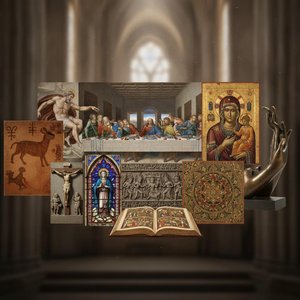
Divine Visions: Top 10 Masterpieces Exploring Religious Themes
Journey through history with 10 iconic religious masterpieces. From Renaissance classics to Baroque drama, explore the stories behind these sacred works. Find museum-quality art reproductions and curated decor inspiration. Discover all masterpieces on OriginalUniqueArt.com.

Divine Visions: Top 10 Masterpieces Exploring Religious Themes
Journey through history with 10 iconic religious masterpieces. From Renaissance classics to Baroque drama, explore the stories behind these divine works. Find museum-quality art reproductions and curated decor inspiration. Discover all masterpieces on OriginalUniqueArt.com.

Divine Visions: Top 10 Masterpieces Exploring Religious Themes
Journey through history with 10 iconic religious masterpieces. From Renaissance legends to Baroque drama, explore the stories behind these divine works. Find museum-quality art reproductions and curated decor inspiration. Discover all masterpieces on OriginalUniqueArt.com.
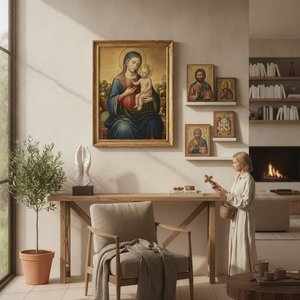
Divine Beauty: A Connoisseur's Guide to Selecting Captivating Religious Art for Your Home
Discover how to select breathtaking religious art for your home. Our expert guide explores sacred themes, from Renaissance grace to Baroque drama, helping you find hand-painted masterpieces that inspire devotion and elevate your interior design with timeless beauty.


