

 Preview
 Send
Send Share
Share
 Details

 Download
 Similars
 X-Ray
X-Ray Diaporama
 Stats
StatsPortrait Study
 Contemporary Realism
 60.0 x 46.0 cm
 Read More
Giclée / Art Print
Museum-quality giclée or canvas print with fast production and flexible finish options. ( Buy Hand Made Painting Switch to Digital Image)




































Pick from our preset sizes that match the artwork's original proportions.

You may enter your own dimensions to fit a specific frame or space. If your selected size does not match the original image's proportions, we will either crop the artwork or extend the image with a mirrored or solid-fill edge. A digital mockup will be sent for your approval before production begins.
Please note that the on-screen preview does not reflect the actual cropping or extension. Only the mockup will accurately show the final composition.
While custom sizes are available, we recommend selecting a dimension from the predefined list to preserve the original proportions.
Worldwide Delivery () in 2 weeks instead of standard 4/5 weeks. (8 September)

Free Worldwide Express Shipping

High-Quality Linen Canvas

Full Shipping Insurance

Customs Tax Refund Guarantee

True Color Matching Guarantee

100-Day Return Policy (Defects Only)

100% Money-Back Guarantee

Bulk Discount Offer
 Glass option is only available in size under 110 CM

Portrait Study
Giclée / Art Print
Reproduction Size
-


Total Price
$ 81
Artist Biography
Stanley Reed: A Liverpool Portraitist of Subtle Grace
Stanley Reed (1908-1978) wasn’t a name that immediately leaps to mind when discussing the titans of 20th-century British art. Yet, within the quieter corners of national collections – the National Portrait Gallery and the Walker Art Gallery, for instance – resides a remarkably consistent body of work: intimate, meticulously observed portraits primarily focused on figures from Northern England. Born in Liverpool, Reed’s artistic journey was rooted in the city's vibrant artistic community, culminating in a distinctive style characterized by understated elegance, subtle tonal shifts, and an uncanny ability to capture not just likeness but also a sense of inner character.
Reed’s early training at the Liverpool School of Art provided him with a solid foundation. However, it was his engagement with the prevailing artistic currents of the time – particularly the influence of Impressionism and Post-Impressionism – that truly shaped his approach. He moved beyond mere replication, striving to convey mood and personality through carefully considered brushwork and an astute understanding of light and shadow. His subjects weren’t grand historical figures or celebrated dignitaries; instead, he focused on individuals from all walks of life—merchants, politicians, and local notables – revealing their quiet dignity and inherent humanity.
The Palette of the North
Reed's palette was distinctly Northern, favoring muted earth tones and delicate washes. He rarely employed bold colors, preferring instead to build up layers of paint to create a sense of depth and atmosphere. This restrained approach is particularly evident in his early works, such as ‘Portrait Study of Alderman Short,’ a 1908 painting that exemplifies his meticulous attention to detail and his ability to capture the nuances of facial expression. The portrait isn’t merely a likeness; it's an evocation of character—a quiet authority conveyed through subtle shifts in tone and the careful rendering of wrinkles and lines.
His technique evolved over time, becoming increasingly atmospheric and suggestive. Later portraits, like ‘Gladiolus and Attendants,’ demonstrate a looser brushstroke and a greater emphasis on capturing the overall mood of the scene. The still life arrangement—a vase of gladioli against a backdrop of a domestic interior—is rendered with remarkable sensitivity, conveying both beauty and a sense of melancholy. The interplay of light and shadow creates a captivating visual experience, inviting the viewer to contemplate the quiet moments of everyday life.
Commissioned Portraits and National Collections
A significant portion of Reed’s work was undertaken as commissions for prominent figures in Northern England—Lord Mayors of Liverpool and Manchester, among others. These portraits weren't simply formal representations; they were carefully considered studies designed to capture the subject’s personality and status. The resulting paintings are now held in prestigious national collections, including the National Portrait Gallery and the Walker Art Gallery, testament to Reed’s skill and enduring appeal.
The demand for his portraits speaks volumes about Reed's ability to connect with his subjects and translate their essence onto canvas. These commissioned works offer a valuable window into the social and cultural landscape of early 20th-century Northern England, providing insights into the lives and aspirations of those who shaped it.
A Legacy of Subtle Observation
Stanley Reed’s artistic legacy isn't one of flamboyant innovation or dramatic stylistic shifts. Instead, it resides in his quiet mastery of portraiture—his ability to capture the subtle nuances of human character with remarkable sensitivity and precision. His work stands as a testament to the power of observation, restraint, and an unwavering commitment to portraying the dignity and humanity of ordinary people. While he may not be a household name, Stanley Reed’s portraits continue to resonate with viewers today, offering a poignant glimpse into the lives and times of Northern England.
His paintings are frequently found in collections like The Stanley - Audrey Burton Gallery in Leeds and the University of Iowa Museum of Art, demonstrating his continued relevance within the art world. Further research into his work can be found on sites such as Wikipedia and Art UK.

stanley reed
1908 - 1978
Quick Facts
- Artistic Movement Or Style: Portrait painting
- Artists Or Movements Influenced By This Artist: ['British portraiture']
- Artists Who Influenced This Artist: ['Impressionism']
- Date Of Birth: 1908
- Date Of Death: 1978
- Full Name: Stanley Reed
- Nationality: British
- Notable Artworks:
- Alderman Short
- Gladiolus & Attendants
- Lobster & Vegetables
- Place Of Birth: Liverpool, UK
Related Articles

Oil on Canvas: A Historical & Technical Exploration of a Timeless Artistic Medium
Explore the rich history & enduring techniques of oil painting on canvas. Discover the science behind its longevity, conservation practices, and contemporary relevance. Expert insights for art enthusiasts.

The Enduring Legacy of Oil on Canvas: Technique, History & Aesthetic Impact
Explore the rich history & techniques of oil painting – from Renaissance masters to Impressionism. Discover pigments, layering methods, and why this timeless medium endures. Expert insights for artists & art enthusiasts.
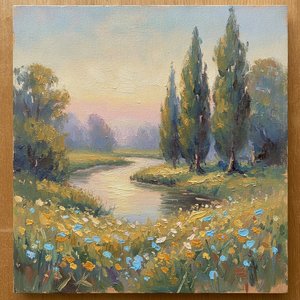
The Timeless Charm of Oil on Board: Reimagining Texture and Light through the Impressionist Lens
Discover the profound intimacy of oil on panel. Explore how Impressionist masters used rigid supports to capture light, texture, and impasto depth through exquisite, handmade oil reproductions for discerning collectors.
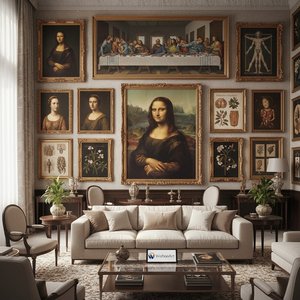
Leonardo da Vinci's Masterpieces: Explore 25 Iconic Artworks for Your Home | OriginalUniqueArt
Journey through Leonardo da Vinci's genius with our curated selection of 25 iconic artworks. Explore the stories behind Mona Lisa, The Last Supper & more Renaissance masterpieces. Find museum-quality art reproductions for your home at OriginalUniqueArt.com.

White on Canvas: 10 Masterpieces & Timeless Elegance for Your Home Decor
Explore 10 iconic white paintings by Monet, Whistler & Rothko! Discover the stories behind these serene masterpieces and their impact on art history. Find museum-quality reproductions for your home decor at .


