Preview
 Send
Send Share
Share
 Details
 Guide
Guide

 Download
 Similars
 X-Ray
X-Ray Diaporama
 Stats
StatsJulia, Lady Peel
 Oil On Canvas
- WallArt
- Regency Period
 1827
1827- 19th Century
 90.0 x 70.0 cm
 The Frick Collection
 Read More
Giclée / Art Print
Museum-quality giclée or canvas print with fast production and flexible finish options. ( Buy Hand Made Painting Switch to Digital Image)




P118B $10

P118H $10

P118W $10

P438Z $10

P508JH $12

P508YH $12

P805H $10

P805Z $10

P919BZ $10

P919G $10

P919XJ $10

P959ZH $10

P968JZ $12

W106C $8

W218G $10

W218JH $8

W218Y $10

W307PJ $10

W316G $10

W316PJ $8

W316Y $10

W398PJ $8

W4111J $10

W500HY $15

W500JH $15

W692G $12

W849H $8

W940BG $15

W953PJ $8




Pick from our preset sizes that match the artwork's original proportions.

Type the width and the height you need, to fit your frame or your wall. A print can only be cut, never made bigger than the picture, so a size with a different shape loses a part of the image. We send you a digital mockup to approve before we print anything. The picture shown on this page does not show the real cut — only the mockup does.
Worldwide Delivery () in 2 weeks instead of standard 4/5 weeks. (25 October)

Free Worldwide Express Shipping

High-Quality Linen Canvas

Full Shipping Insurance

Customs Tax Refund Guarantee

True Color Matching Guarantee

100-Day Return Policy (Defects Only)

100% Money-Back Guarantee

Bulk Discount Offer
 Glass option is only available in size under 110 CM

Julia, Lady Peel
Giclée / Art Print
Reproduction Size
-


Total Price
$ 81
A Vision of Regency Splendor
In the grand tapestry of British portraiture, few works capture the shimmering essence of the Regency era as vibrantly as Sir Thomas Lawrence’s 1827 masterpiece, Julia, Lady Peel. This exquisite oil on canvas is far more than a mere likeness; it is an intimate encounter with the aristocratic grace of a bygone age. The portrait features Julia Floyd, a woman of remarkable beauty and the wife of the formidable statesman Sir Robert Peel, presented to the viewer with a captivating gaze that bridges the centuries. As one gazes upon her, there is an immediate sense of being transported to a world of opulent grandeur, where every brushstroke whispers of social prestige and refined elegance.
Lawrence, a child prodigy who rose to become the President of the Royal Academy, demonstrates his unparalleled virtuosity through a masterful command of light and texture. The composition is anchored by the striking visual impact of Julia’s red hat, adorned with a delicate feather—a brilliant stylistic homage to Rubens' celebrated Susanna Fourment. This deliberate connection to classical tradition elevates the portrait from a contemporary social record to a work of timeless artistic lineage. The artist employs a sophisticated use of chiaroscuro, allowing light to dance across the luminous skin tones and the rich, heavy fabrics of her attire, creating a dramatic interplay of shadow that lends the subject an almost ethereal presence.
Symbolism and the Language of Status
Beyond the surface beauty, the painting is rich with subtle semiotic cues that would have been instantly recognizable to the 19th-century elite. The meticulous rendering of her jewelry—the shimmering necklace and elegant earrings—serves as a testament to the wealth and influence of the Peel family during a period of significant political transformation in Britain. Perhaps most intriguing are the two watches visible on her wrists, a peculiar and fascinating detail that acts as a visual metaphor for the relentless passage of time and the importance of punctuality and social order within the rigid structures of Regency society.
For the discerning collector or interior designer, this portrait offers a profound emotional resonance. It is a piece that commands attention through its sophisticated palette of rich, warm hues and its ability to evoke a sense of nostalgic romance. Whether placed in a sunlit gallery or a stately study, the painting provides a focal point of immense character. A high-quality reproduction of this work allows one to invite this aura of historical prestige into a modern space, serving as both a conversation piece and an enduring symbol of classical taste and artistic excellence.
Questions & Answers
At what size is "Julia, Lady Peel" recommended to be printed?
The recommended print size for "Julia, Lady Peel" by Sir Thomas Lawrence is large.
What aliases or alternate names does Sir Thomas Lawrence have?
Other names recorded for Sir Thomas Lawrence, creator of "Julia, Lady Peel", include Thomas Lawrence.
What feeling do the colors of "Julia, Lady Peel" by Sir Thomas Lawrence create?
"Julia, Lady Peel" by Sir Thomas Lawrence combines an earthy palette with a romantic tone.
Artist Biography
A Brushstroke of Regency Splendor: The Life and Art of Sir Thomas Lawrence
Born amidst the bustling port city of Bristol in 1769, Sir Thomas Lawrence emerged as a prodigious talent, a child prodigy whose artistic gifts blossomed with astonishing speed. His early years were marked by a nomadic existence, following his father’s ventures as an innkeeper through Devizes and finally to Bath. It was within the convivial atmosphere of these inns that young Lawrence first captivated audiences, not merely reciting poetry but also sketching remarkably accurate portraits – a skill honed without formal instruction, fueled instead by innate ability and keen observation. Even then, it was clear this was no mere youthful pastime; he was supporting his family with his pastel portraits while still in Bath, demonstrating an entrepreneurial spirit alongside his artistic flair. This early independence fostered a self-reliance that would characterize his entire career, even as he navigated the complex world of aristocratic patronage.Ascension to Portraiture’s Pinnacle
The move to London at the tender age of eighteen marked Lawrence's true ascent. He quickly established himself as a portrait painter in oils, securing his first royal commission – a portrait of Queen Charlotte in 1789 – and catapulting him into the heart of London society. This was not simply about technical skill; Lawrence possessed an uncanny ability to capture not just likeness but also *character*, imbuing his subjects with a flattering yet insightful presence. He became a master of capturing the glamour and sophistication of the Regency era, painting nobility, royalty, and prominent figures with a virtuoso handling of paint that drew comparisons to Sir Joshua Reynolds, whom he greatly admired. Lawrence’s election as an associate, then full member, of the Royal Academy in 1791 and 1794 respectively solidified his position within the established art world. He succeeded Reynolds as Painter-in-Ordinary to the King in 1792, a role that further cemented his status and provided access to the highest echelons of power. His style, while evolving subtly over time, remained consistently elegant and refined, prioritizing graceful poses, rich colors, and meticulous attention to detail.Patronage, Prestige, and the Waterloo Chamber
The patronage of the Prince Regent (later King George IV) proved pivotal in Lawrence’s career. This relationship led to one of his most ambitious undertakings: the commission to paint portraits of allied leaders for the Waterloo Chamber at Windsor Castle. These monumental works, intended to commemorate the defeat of Napoleon, showcased not only Lawrence's technical prowess but also his ability to handle large-scale compositions and capture the gravitas of international figures. The project brought him widespread acclaim and further enhanced his reputation across Europe. In 1815, he was knighted, a testament to his artistic achievements and service to the Crown. He later became President of the Royal Academy in 1820, a position he held until his death. His involvement extended beyond painting; Lawrence played a crucial role in founding the National Gallery and securing the Elgin Marbles for Britain, demonstrating a commitment to preserving and promoting British art and culture.A Legacy Tempered by Complexity
Despite his success, Lawrence’s life was not without its complexities. He struggled with financial difficulties throughout much of his career, often burdened by debt despite earning substantial sums from his commissions. His personal life was marked by tumultuous relationships, most notably with Sally and Maria Siddons, daughters of the celebrated actress Sarah Siddons. These connections, while providing inspiration, also brought heartache and scandal. Furthermore, Lawrence’s sitters reflected the social landscape of his time – including both slave owners and abolitionists – a stark reminder of the moral ambiguities inherent in Regency society. His reputation waned somewhat during the Victorian era, as tastes shifted towards more morally didactic art, but has since been partially restored, recognizing him as a master of portraiture and a key figure in British artistic history. His work remains celebrated for its elegance, technical brilliance, and ability to capture the essence of his subjects, offering a captivating glimpse into the world of Regency England.Influences and Enduring Impact
Lawrence’s artistic development was profoundly influenced by Sir Joshua Reynolds, whose emphasis on capturing character and employing a fluid brushstroke resonated deeply with the young artist. He also diligently studied Old Master drawings, particularly those by Michelangelo and Raphael, absorbing their anatomical precision and compositional skills. While rooted in tradition, Lawrence's work also reflected the emerging Romantic sensibilities of his time, embracing glamour and emotional intensity. His influence can be seen in the works of later portrait painters who sought to emulate his style and capture the spirit of an era. Though he faced personal struggles and a decline in popularity during the Victorian period, Sir Thomas Lawrence’s legacy endures as one of Britain's most accomplished and captivating portraitists, a testament to his talent, charm, and enduring contribution to the world of art.
Sir Thomas Lawrence
1769 - 1830 , United Kingdom
Quick Facts
- Full Name: Sir Thomas Lawrence
- Nationality: British
- Date Of Birth: 1769
- Date Of Death: 1830
- Place Of Birth: Bristol, United Kingdom
- Notable Artworks:
- Queen Charlotte
- Waterloo Chamber portraits
- Self-portrait
- Artistic Movement Or Style: Regency portraiture
- Artists Who Influenced This Artist: ['Sir Joshua Reynolds']
- Artists Or Movements Influenced By This Artist: ['Romanticism']
Related Articles

Peter Paul Rubens: A Baroque Master's Life, Legacy & Enduring Influence
Discover the life & art of Peter Paul Rubens, the most influential artist of the Flemish Baroque tradition. Explore his masterpieces, legacy, and impact on art history with OriginalUniqueArt.

Illuminating Shadows: A Comprehensive Exploration of Chiaroscuro Technique in Art History
Explore the captivating world of chiaroscuro! Discover its history, masters like Caravaggio & de La Tour, and enduring influence on art. A comprehensive guide for enthusiasts.
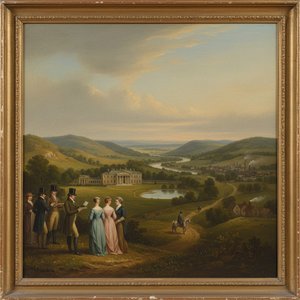
Thomas Barker of Bath: Landscape Painting & Societal Reflection in Early 19th-Century England
Explore the life & work of Thomas Barker of Bath, a key figure in 19th-century English Romanticism. Discover his Parisian success, iconic paintings like 'The Bride of Death', and lasting artistic legacy. Learn more at OriginalUniqueArt.

Jacob Lawrence: Narratives of Struggle, Resilience & Modernist Innovation
Explore the powerful narratives of Jacob Lawrence, a pivotal African American artist of the Harlem Renaissance. Discover his iconic 'Migration Series,' dynamic cubism style, and lasting impact on American art history.

Sir Thomas Lawrence: Portraiture, Power & Regency Society's Aesthetics
Explore the captivating world of Sir Thomas Lawrence, Regency England's premier portraitist. Discover his artistic techniques, powerful representations of society, and enduring legacy. Expert insights for discerning art collectors.