Preview
 Send
Send Share
Share
 Details
 Guide
Guide

 Download
 Similars
 X-Ray
X-Ray Diaporama
 Stats
StatsAntarctica


 Read More
Hand Made Oil Reproduction
Hand-painted oil on canvas in your size and frame, made to order by our artists. ( Switch to Print Switch to Digital Image)




































Pick from our preset sizes that match the artwork's original proportions.

You may enter your own dimensions to fit a specific frame or space. If your selected size does not match the original image's proportions, we will either crop the artwork or extend the painting with additional hand-painted elements. A digital mockup will be sent for your approval before production begins.
Please note that the on-screen preview does not reflect the actual cropping or extension. Only the mockup will accurately show the final composition.
While custom sizes are available, we recommend selecting a dimension from the predefined list to preserve the original proportions.
After order, OriginalUniqueArt.com team will email client for instructions and provide a mockup preview
Worldwide Delivery () in 3/4 weeks instead of standard 5 weeks. (26 September). No compromise on quality.

Free Worldwide Express Shipping

High-Quality Linen Canvas

Full Shipping Insurance

Customs Tax Refund Guarantee

True Color Matching Guarantee

100-Day Return Policy (Defects Only)

100% Money-Back Guarantee

Bulk Discount Offer
 Glass option is only available in size under 110 CM

Antarctica
Reproduction Medium
Reproduction Size
-


Total Price
$ 300
A Vision of Isolation: Exploring Sir Sidney Nolan’s Antarctica
Sir Sidney Robert Nolan (1917-1992), born in Melbourne amidst the burgeoning artistic fervor of post-war Australia, wasn't merely a painter; he was a conduit for myth and landscape—a profound reflection of the nation’s soul onto canvas. His distinctive approach eschewed academic conventions, prioritizing visceral emotion and intuitive exploration over meticulous realism. Influenced by figures like Cézanne and Rimbaud, Nolan embarked on a singular artistic journey that culminated in his globally recognized oeuvre, characterized by its monumental scale and arresting visual impact. This essay delves into the intricacies of “Antarctica,” examining its stylistic hallmarks, technical prowess, historical resonance, and enduring symbolic significance—a testament to Nolan’s unwavering commitment to capturing the essence of Australian identity through a deeply personal lens.Composition and Technique: Embracing Turbulent Expression
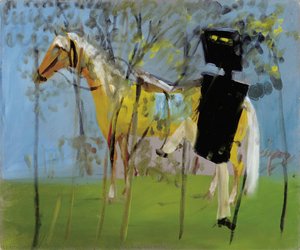
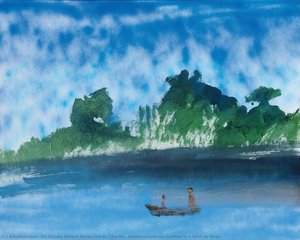
“Antarctica” exemplifies Nolan's signature impasto technique – thick layers of oil paint applied directly onto the canvas with energetic brushstrokes. This method isn’t simply about applying pigment; it’s about embodying movement, conveying the raw power of the Antarctic wilderness. The artwork’s central focus is a dramatic mountain range silhouetted against a tempestuous sky, mirroring the turbulent seas below. Nolan deliberately avoids precise perspective, favoring instead a flattened visual space that amplifies the feeling of vastness and isolation—a deliberate stylistic choice reflecting his fascination with Aboriginal cosmology and its depiction of the Dreamtime landscape. The diagonal thrust of brushstrokes guides the viewer’s eye across the canvas, mimicking the relentless surge of waves and clouds, creating an immersive experience for the observer.Color Palette and Atmospheric Mood
The dominant color palette is undeniably cool—a symphony of blues ranging from deep indigo to pale cerulean—underscored by grays and whites that capture the icy brilliance of Antarctica’s peaks and horizon. Subtle hints of ochre and gold punctuate the scene, representing fleeting moments of warmth amidst the pervasive chill, mirroring Nolan's exploration of Australian mythology and its connection to the primal forces of nature. This deliberate tonal scheme contributes significantly to the artwork’s melancholic mood—a palpable sense of solitude and awe in response to the sublime grandeur of the Antarctic environment. The artist skillfully utilizes color not merely for descriptive accuracy but as a vehicle for conveying emotion, mirroring the psychological depth characteristic of Nolan's broader artistic vision.Symbolism and Emotional Resonance: Confronting Inner Landscapes
Beyond its visual splendor, “Antarctica” operates on multiple symbolic levels. The desolate landscape serves as an allegory for confronting inner anxieties—a metaphor for navigating uncertainty and embracing vulnerability. Nolan’s deliberate simplification of form echoes the Aboriginal tradition of storytelling through stylized representations, prioritizing emotional impact over literal detail. Like many of Nolan's works, "Antarctica" invites contemplation about humanity’s place within the universe—a questioning gaze directed toward the immensity of nature and its capacity to inspire both fear and reverence. The painting’s enduring appeal lies in its ability to resonate with viewers on a subconscious level, tapping into primal instincts and conveying a profound sense of existential awareness.Historical Context: Nolan's Engagement With Australian Identity
Nolan’s artistic output was inextricably linked to Australia’s post-war cultural revival—a period marked by a renewed interest in Aboriginal art and mythology. He sought to articulate the spirit of his homeland through monumental canvases that captured both its physical beauty and its psychological complexity. “Antarctica,” completed in 1964, stands as a cornerstone of Nolan's oeuvre, cementing his reputation as Australia’s foremost modernist painter. It exemplifies his unwavering dedication to exploring themes of myth, landscape, and the human condition—a legacy that continues to inspire artists and collectors alike.Artist Biography
A Life Painted in Myth and Landscape
Sir Sidney Robert Nolan, born in Melbourne in 1917, stands as a monumental figure in 20th-century Australian art. His journey was not one of conventional artistic training but rather an explosive emergence from the working-class streets of St Kilda into a world of vibrant imagination and relentless experimentation. Nolan wasn’t simply a painter; he was a visual storyteller, a mythmaker who wrestled with Australia's history, its landscapes, and its very identity. From his early days as a runner for an illegal betting ring to his eventual acclaim on the international stage, Nolan’s life was marked by a restless energy and a refusal to be confined by artistic norms. He absorbed influences from diverse sources – the poetry of Rimbaud, the spatial innovations of Cézanne, the raw emotion of Danila Vassilieff – yet forged a style uniquely his own, one that resonated with a distinctly Australian sensibility. His early exposure to the harsh realities of Melbourne life and the allure of its underbelly would profoundly shape his artistic vision, imbuing his work with a sense of both defiance and vulnerability.The Shaping of an Iconoclast
Nolan’s formative years were steeped in intellectual ferment. The Heide Circle, centered around patrons John and Sunday Reed, proved pivotal. This haven for artists and writers fostered a spirit of radical experimentation and provided Nolan with crucial support during his developing phase. It was at Heide that he encountered kindred spirits – Albert Tucker, Joy Hester, Arthur Boyd – all grappling with the challenge of creating a distinctly Australian modernism. The influence of modernist literature, particularly the Symbolist poets, cannot be overstated. Rimbaud’s call for a “systematic derangement of the senses” became a guiding principle for Nolan, liberating him from representational constraints and encouraging him to explore the emotional power of color, form, and symbolism. His early works demonstrate this influence, often featuring fragmented figures and dreamlike landscapes that hint at deeper psychological truths. He wasn’t interested in merely depicting reality; he sought to capture its essence, its underlying emotions, and its hidden narratives. This period also saw Nolan experimenting with various media, from stage design for the Ballet Russes to commercial art, each experience contributing to his growing technical prowess and artistic vocabulary.Ned Kelly and the Australian Myth
While Nolan’s oeuvre is remarkably diverse, he is perhaps best known for his series of paintings depicting Ned Kelly, the infamous Australian bushranger. This wasn't simply a historical retelling; it was a profound exploration of Australian identity, lawlessness, and the romanticized figure of the outlaw. Nolan stripped away the conventional heroic imagery associated with Kelly, presenting him as an enigmatic, almost spectral presence encased in iconic armor. The flattened planes of color, the stark contrasts, and the simplified forms create a powerful visual statement that transcends mere representation. The Ned Kelly series became a defining moment in Australian art, transforming the bushranger from a historical figure into a national symbol. It sparked debate, challenged conventional narratives, and forced Australians to confront their complex relationship with their past. Beyond Kelly, Nolan repeatedly returned to themes drawn from Australian history and folklore – The First Fleet, The Burke and Wills Expedition – each series imbued with his signature blend of poetic intensity and historical awareness.A Prolific and Restless Vision
Nolan’s artistic output was astonishingly prolific, spanning painting, sculpture, ceramics, stage design, and even opera sets. He refused to be pigeonholed, constantly reinventing his style and exploring new avenues of expression. His landscapes, often stark and desolate, capture the vastness and harsh beauty of the Australian outback. Works like “Antarctica” demonstrate his ability to convey a sense of isolation and existential unease through minimalist forms and evocative color palettes. He traveled extensively throughout his life – Europe, Africa, America – each journey informing his art with new perspectives and influences. His later works often reflect a more introspective mood, grappling with themes of mortality, memory, and the search for meaning. Despite achieving international recognition, Nolan remained deeply connected to Australia, viewing his art as a means of understanding and interpreting its unique character. He received numerous accolades throughout his career, including appointments as an Officer of the Order of Merit (OM), a Companion of the Order of Australia (AC), and a Commander of the Order of the British Empire (CBE).Legacy and Enduring Influence
Sir Sidney Nolan’s impact on Australian art is undeniable. He challenged conventional artistic norms, embraced experimentation, and created a body of work that continues to resonate with audiences today. His bold depictions of Ned Kelly have become iconic images, instantly recognizable as symbols of Australia's rebellious spirit and complex history. His influence can be seen in the work of countless contemporary artists, who continue to draw inspiration from his innovative techniques and his commitment to exploring Australian identity. Nolan’s paintings are held in major museums and collections around the world, ensuring that his legacy will endure for generations to come. To explore more of his artwork, platforms like OriginalUniqueArt offer a wide range of reproductions, allowing art lovers to experience the power and beauty of his vision firsthand. He left behind not just a collection of paintings but a new way of seeing Australia – a land of myth, mystery, and enduring artistic potential.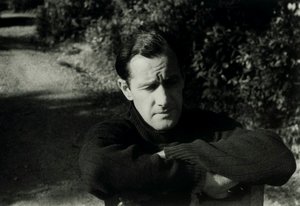
Sir Sidney Robert Nolan
1917 - 1992 , Australia
Quick Facts
- Artistic Movement Or Style: Modernist
- Artists Who Influenced This Artist:
- Rimbaud
- Cézanne
- Kandinsky
- Klee
- Date Of Birth: April 22, 1917
- Date Of Death: November 28, 1992
- Full Name: Sir Sidney Robert Nolan
- Nationality: Australian
- Notable Artworks:
- Ned Kelly series
- Carriers of Horses
- AFL Series
- Landscape w/ motif
- Place Of Birth: Melbourne, Australia
Related Articles

John Constable's Masterpieces: Explore 25 Iconic Landscapes for Your Home
Journey through John Constable's 25 most celebrated landscapes. Explore Romanticism, Dedham Vale & his masterful use of light in iconic paintings like 'Hay Wain'. Find museum-quality art reproductions and elevate your home decor on OriginalUniqueArt.com.

Romantic Landscapes: 10 Masterpieces for Your Home | OriginalUniqueArt
Journey through 10 Romantic landscape masterpieces by Friedrich, Turner & Cole. Explore emotional art, sublime nature scenes & iconic 19th-century paintings. Find museum-quality reproductions for your home at OriginalUniqueArt.com – discover the full collection online!

Evocations of Place: A Historical Journey Through Landscape Art
Explore the rich history of landscape art with OriginalUniqueArt. Discover renowned artists, movements like Impressionism & Romanticism, and expert guidance for collecting timeless pieces. Find your perfect serene escape today!

Sir Alfred Munnings' Masterpieces: 25 Paintings That Define Equine Art | OriginalUniqueArt
Explore 25 iconic Sir Alfred Munnings paintings! Discover the beauty of British Impressionism, equine art & rural England. Find museum-quality reproductions and elevate your home decor with OriginalUniqueArt. Explore the full collection online.
Sir Joshua Reynolds' Masterpieces: 25 Portraits of Power & Refinement | OriginalUniqueArt
Explore 25 captivating portraits by Sir Joshua Reynolds, a master of British art. Discover stories behind his iconic paintings, elegant style & historical influence. Find museum-quality reproductions and elevate your home decor on OriginalUniqueArt.com.