
 Preview
 Send
Send Share
Share
 Details
 Guide
Guide

 Download
 Similars
 X-Ray
X-Ray Diaporama
 Q&A
Q&A Stats
StatsSelf-Portrait


 Read More
Get a print-ready file that goes far beyond the web preview. Every digital image we sell comes from a high-resolution master in our stock database — usually 5,000 to 15,000 pixels wide — so you can print large, crop tightly, or reproduce fine detail with confidence.
No file leaves our studio untouched. A digital expert checks the colors against the original painting and corrects them if needed, then improves clarity and detail with professional retouching tools — always staying faithful to the artist's brushwork and style. The result is an image that looks like the painting, not like a filtered scan.
You approve before you're done: our expert sends the image by e-mail within 72 hours for your review. Not satisfied? Ask for improvements or corrections, or request a refund if the quality falls short.
This is the quality relied on by publishers, design studios, galleries and print shops.
Digital Image
Download a high-resolution file for personal display, printing, and creative projects. ( Switch to Print Buy Hand Made Painting)
Included in Every Digital Image Order
Expert Digital Delivery, Guaranteed
When you choose OriginalUniqueArt.com, you're not just getting an image - you're receiving a professionally enhanced digital artwork, crafted with precision and backed by a satisfaction guarantee. Here's everything that comes with your order, automatically:

Fast Email Delivery
Your high-resolution digital image file will be emailed to you within 72 hours of ordering - ready for immediate use.

AI-Enhanced Digital File
Your artwork is professionally optimized using advanced AI tools and manual editing, ensuring maximum detail, clarity, and color accuracy.

Free Lifetime Re-Delivery
Accidentally deleted or lost your file? No worries - we'll resend it to you anytime, free of charge.

No Import Fees - Ever
Enjoy your artwork instantly with zero customs, duties, or delivery fees - digital downloads are always tax-free.

Color Accuracy Guarantee
We ensure your digital image reflects the original colors as closely as possible using professional tools and color management.

100-Day Satisfaction Guarantee
If you're not satisfied with your digital image, we'll revise it or refund 100% within 100 days - no questions asked.

100% Money-Back Guarantee
Not satisfied? Get a full refund within 100 days of receiving your digital file - no questions asked.

Bulk Order Discounts
Buy 3 images, save 10% - Buy 5, save 15% - Buy 10+, save 20%. Great for creative projects, galleries, and agencies.
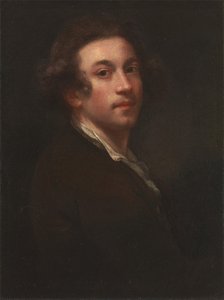
A Window into the Enlightenment: Sir Joshua Reynolds’ “Self-Portrait”
Sir Joshua Reynolds' "Self-Portrait," painted in 1747-1749, isn’t merely a likeness; it’s a carefully constructed declaration of an artist’s ambition and his understanding of the era. This captivating work, now residing within the esteemed collection of the SCAD Museum of Art in Savannah, offers a rare glimpse into the mind of one of Britain's most influential figures in 18th-century art – a man who fundamentally reshaped the very notion of portraiture. The painting immediately draws the eye with its dramatic lighting, a hallmark of Reynolds’ “Grand Style,” where shadows are sculpted to enhance form and create an atmosphere of both solemnity and vibrant energy. The artist himself is presented not as a humble craftsman, but as a figure of authority and intellectual prowess – his gaze direct and confident, suggesting a man acutely aware of his own importance within the cultural landscape.
A Masterclass in Technique: The Reynoldsian Approach
Reynolds’ skill lies not just in capturing a physical likeness but in imbuing that likeness with character and depth. Observe the meticulous rendering of his wig, styled with an almost theatrical flourish – a deliberate choice reflecting the fashionable sensibilities of the time. The ruffled collar, meticulously detailed, speaks to his status and connection to the aristocratic circles he frequented. But it’s the subtle manipulation of light and shadow that truly elevates the portrait. Reynolds employed a technique known as *chiaroscuro*, expertly contrasting areas of bright illumination with deep shadows, creating a sense of three-dimensionality and drawing attention to key features. The impasto – the thick application of paint – adds texture and visual interest, particularly noticeable in the folds of his clothing and the suggestion of fabric beneath his jacket. This wasn’t simply about painting; it was about sculpting light and form onto canvas.
Echoes of Antiquity: Symbolism and Context
The “Self-Portrait” is deeply rooted in the artistic principles of the Enlightenment, a period characterized by a renewed interest in classical antiquity. Reynolds, heavily influenced by artists like Leonardo da Vinci and Michelangelo, sought to emulate their mastery of anatomy, perspective, and dramatic composition. The pose itself – reminiscent of Roman statues – deliberately connects him to this rich heritage. Furthermore, the inclusion of his ear trumpet, a symbol of his partial deafness acquired during his time in Rome, subtly acknowledges his artistic journey and intellectual pursuits. It’s a quiet testament to the challenges he overcame in pursuit of his craft. The painting also reflects Reynolds' belief that art should be idealized – not a slavish imitation of reality but an elevation of it, reflecting the beauty and harmony inherent within human form.
Beyond the Brush: A Legacy of Influence
Sir Joshua Reynolds’ “Self-Portrait” is more than just a personal depiction; it's a pivotal document in the history of British art. His theories on painting, articulated in his influential *Discourses on Art*, established the "Grand Style," which dominated portraiture for decades and profoundly impacted subsequent generations of artists. He championed the idea that painters should study classical models and strive to create works of beauty and harmony – a philosophy that shifted the focus from mere likeness to artistic expression. The painting’s enduring appeal lies in its ability to transport us back to a pivotal moment in art history, offering a window into the mind of a visionary artist who shaped the course of British painting. Reproductions of this iconic work continue to inspire and captivate, reminding us of the power of art to both reflect and shape our understanding of the world.
- Artist: Sir Joshua Reynolds
- Date: 1747-1749
- Medium: Oil on Canvas
- Location: SCAD Museum of Art, Savannah, United States
Questions & Answers
What explains the copyright situation of "Self-Portrait" by Sir Joshua Reynolds?
"Self-Portrait" by Sir Joshua Reynolds is in the public domain - its copyright has expired. Copyright duration runs from the artist's death, which occurred in 1792.
Who is the artist behind "Self-Portrait"?
"Self-Portrait" is attributed to Sir Joshua Reynolds.
What is the dominant hue of "Self-Portrait" by Sir Joshua Reynolds?
An ochre to sepia hue runs through "Self-Portrait" by Sir Joshua Reynolds.
Artist Biography
Early Life, Family and Training
Sir Joshua Reynolds was born on 16 July 1723 in Plympton, Devon. He grew up as the third son of Reverend Samuel Reynolds, who served as the master of the Plympton Free Grammar School. The household was one of learning and intellectual pursuit, a setting that shaped the young boy's early years in the quiet town. His sister, Mary Palmer, was also a person of letters, known for her writing of Devonshire Dialogue. This family environment provided a foundation of literacy and thought that would follow him into his professional life.
The path toward art became clear as he grew, leading him away from the scholarly life his father might have expected. In 1740, he moved to London to begin an apprenticeship under the portrait painter Thomas Hudson. This period of training lasted until 1743. It was a significant undertaking that required financial support to secure his place in a professional studio. His sister Mary provided £60 to cover the costs of his pupillage, a gesture that allowed him to focus entirely on mastering the technical demands of his craft in the bustling capital.
Travels and the Grand Style
Between 1750 and 1752, Reynolds traveled to Italy. This period of study allowed him to immerse himself in the works of the Old Masters, absorbing the techniques and compositions that would define his later career. He returned to England with a clear vision for how British art could move beyond simple likenesses. He began to promote a method known as the 'Grand Style,' a way of painting that sought to improve upon reality. Rather than recording every flaw, he focused on the idealisation of the imperfect, seeking a sense of grace and dignity in his subjects.
This approach was part of a broader effort to establish the supremacy of history painting. Reynolds believed that art should reach for something higher than the everyday, often using the 'Grand Manner' to give his portraits a sense of weight and importance. He wanted his paintings to convey more than just a face; he wanted them to communicate character and status through a more refined, classical lens. This shift in thinking helped change how people viewed the purpose of a portrait in British society.
Leadership at the Royal Academy
By 1768, the landscape of British art was ready for a formal structure, and Reynolds was at the center of its creation. He became a founding member of the Royal Academy of Arts, an institution designed to provide a home for artistic talent in England. His influence within the Academy was solidified when he was chosen as its first President. This was a position of significant responsibility, one he held until his death. His leadership helped establish the Academy as a central pillar for the professional recognition of artists.
His commitment to the next generation of painters was expressed through his yearly Discourses. These were lectures delivered to the students of the Academy, where he shared his thoughts on artistic theory and the importance of tradition. He used these moments to guide students, urging them to study nature and master their technical skills. Through these teachings, he helped shape the direction of British art education for years to come.
His personal standing in society grew alongside his professional achievements. In 1769, King George III knighted him, a gesture that reflected the high regard in which he was held by the crown. This recognition brought him into the highest circles of British life, further cementing his status as a leading figure of his era.
Notable Portraiture and Commissions
As a leading portrait artist of the 18th century, Reynolds occupied a central place in the social fabric of Enlightenment Britain. His studio became a meeting point for the era's most influential figures, from military heroes to members of the aristocracy. He possessed a specific talent for looking past a simple likeness to find the character and social standing of those who sat for him. This ability to translate a person's status into a visual image made him a preferred choice for those seeking to define their place in a rapidly changing society.
His professional standing reached a peak when he was knighted by King George III in 1769. This recognition reflected his influence not only as a painter but as a figurehead of British artistic life. His commissions often required him to balance the individual's actual appearance with the dignified expectations of his patrons. Whether depicting the quiet intensity of a scholar or the commanding presence of a nobleman, his work helped shape how the public perceived the leaders of his time.
- Kitty Fisher as Cleopatra Dissolving the Pearl
- The 4th Duke of Queensberry as Earl of March
- Mrs. John Weyland and Her Son John
- The Ladies Waldegrave
- Portrait of a Lady in White
Legacy and Artistic Influence
The impact of Sir Joshua Reynolds on the direction of British art was profound. He was often called the master who revolutionised British Art, a title earned by his ability to change how a nation viewed its own painters. By championing the supremacy of history painting and the Grand Manner, he moved the focus of portraiture away from simple likeness toward a more dignified, intellectual representation of his subjects. This shift helped change the social standing of artists in Georgian England, moving them from the status of mere craftsmen to respected professionals within the intellectual circles of the day.
His influence reached far beyond his own lifetime, shaping the training and vision of subsequent generations of artists. Through his leadership and his written discourses, he established a framework for artistic education that would persist for years. His presence in the art world helped define a distinct national style, ensuring that the painters who followed him had a clear standard of excellence to strive toward. His works remain central to the study of this era, held in significant collections such as the National Gallery and the National Portrait Gallery Collection.
- Kitty Fisher as Cleopatra Dissolving the Pearl
- The Ladies Waldegrave
- Self-Portrait
Sir Joshua Reynolds
1723 - 1792 , United Kingdom
Quick Facts
- Artistic Movement Or Style: Grand Style
- Artists Or Movements Influenced By This Artist: ['British school of painting']
- Artists Who Influenced This Artist:
- Thomas Hudson
- Raphael
- Michelangelo
- Titian
- Full Name: Sir Joshua Reynolds
- Nationality: British
- Notable Artworks:
- Admiral Paul Henry Ourry
- Lady Dorothea Harrison
- Kitty Fisher as Cleopatra
- The 4th Duke of Queensberry
- Miss Nelly O'Brien
- Lady Anstruther
- Mrs Tollemache as Miranda
- Self-Portrait
- The Infant Samuel
- The Ladies Waldegrave
- Frances, Countess of Lincoln
- The Infant Hercules Strangling the Serpents
- Dr John Ash
- Robinetta
- Montagu Edmund Parker of Whiteway
- Place Of Birth: Plymouth, United Kingdom
- Date Of Birth: 1723
- Date Of Death: 1792