

 Preview
 Send
Send Share
Share
 Details

 Download
 Similars
 X-Ray
X-Ray Diaporama
 Stats
StatsJames Fraser


 Read More
Hand Made Oil Reproduction
Hand-painted oil on canvas in your size and frame, made to order by our artists. ( Switch to Print Switch to Digital Image)




P118B $10

P118H $10

P118W $10

P438Z $10

P508JH $12

P508YH $12

P805H $10

P805Z $10

P919BZ $10

P919G $10

P919XJ $10

P959ZH $10

P968JZ $12

W106C $8

W218G $10

W218JH $8

W218Y $10

W307PJ $10

W316G $10

W316PJ $8

W316Y $10

W398PJ $8

W4111J $10

W500HY $15

W500JH $15

W692G $12

W849H $8

W940BG $15

W953PJ $8




Pick from our preset sizes that match the artwork's original proportions.

You may enter your own dimensions to fit a specific frame or space. If your selected size does not match the original image's proportions, we will either crop the artwork or extend the painting with additional hand-painted elements. A digital mockup will be sent for your approval before production begins.
Please note that the on-screen preview does not reflect the actual cropping or extension. Only the mockup will accurately show the final composition.
While custom sizes are available, we recommend selecting a dimension from the predefined list to preserve the original proportions.
After order, OriginalUniqueArt.com team will email client for instructions and provide a mockup preview
Worldwide Delivery () in 3/4 weeks instead of standard 5 weeks. (13 September). No compromise on quality.

Free Worldwide Express Shipping

High-Quality Linen Canvas

Full Shipping Insurance

Customs Tax Refund Guarantee

True Color Matching Guarantee

100-Day Return Policy (Defects Only)

100% Money-Back Guarantee

Bulk Discount Offer
 Glass option is only available in size under 110 CM

James Fraser
Reproduction Medium
Reproduction Size
-


Total Price
$ 300
A Legacy in Oil: The Soul of James Fraser
In the quiet, commanding presence of Sir John Everett Millais’s 1880 masterpiece, James Fraser, one finds much more than a mere likeness of a man; one encounters a profound meditation on dignity and the weight of history. As a cornerstone of Victorian portraiture, this work captures the essence of a Scottish Highlander who served with distinction as a lieutenant colonel during the Napoleonic Wars. Millais does not simply present a face to the viewer; he invites us into a moment of quiet contemplation, where the rugged strength of a soldier meets the refined grace of a gentleman. The subject’s gaze, direct and piercing yet softened by an unmistakable wisdom, serves as a bridge between the turbulent past of the British military and the enduring spirit of the individual.
The emotional resonance of the painting lies in its ability to evoke a sense of nostalgic reverence. Through the meticulous rendering of Fraser's features—the subtle lines of experience etched around his eyes and the solemn set of his mouth—Millais breathes life into the historical record. For the collector or the lover of fine art, the piece offers an atmosphere of stability and nobility, making it an ideal centerpiece for a space designed to inspire reflection and strength.
Mastery of the Pre-Raphaelite Technique
To behold James Fraser is to witness the pinnacle of Pre-Raphaelite technical brilliance. Moving away from the broad, often formulaic strokes of academic tradition, Millais employed a rigorous approach characterized by luminous colors and an almost photographic fidelity to detail. The artist utilized sophisticated glazing techniques, layering thin, transparent coats of oil paint to build a profound tonal depth that seems to glow from within the canvas itself. This method allows for a breathtaking realism in the textures presented to the viewer; one can almost feel the heavy, coarse weave of the tartan shawl draped over the subject's shoulders and the soft, organic smoothness of weathered skin.
The composition is a masterclass in focused intensity. By positioning Fraser centrally against a dark, indistinct background, Millais eliminates all peripheral distractions, forcing an intimate encounter between the subject and the observer. The play of light is particularly masterful, employing a diffused illumination that casts gentle shadows across the folds of his black clerical attire, creating a three-dimensional volume that commands the room. This deliberate use of light and shadow—the chiaroscuro effect—not only defines the physical form but also underscores the psychological depth of the portrait.
Symbolism and the Spirit of Heritage
Every element within the frame of James Fraser has been curated to tell a story of identity and heritage. The inclusion of the tartan shawl is far from incidental; it serves as a potent visual shorthand for Scottish pride and the ancestral ties that bind a person to their land and history. In an era fascinated by historical romanticism, Millais used these subtle symbols to ground his subject in a specific cultural narrative, elevating the portrait from a personal study to a broader tribute to the Highland spirit.
For those looking to integrate such a piece into a curated interior, the painting offers a versatile yet commanding presence. Its palette of deep blacks, rich earth tones, and subtle textures complements both classical and contemporary settings, providing a sense of timelessness. Whether displayed in a private library, a formal study, or an elegant living space, this reproduction of Millais’s work brings with it an aura of academic prestige and a deep, resonant connection to the golden age of British art.
Artist Biography
A Prodigy of the Pre-Raphaelites: The Life and Art of Sir John Everett Millais
Born in Southampton in 1829, John Everett Millais entered the Royal Academy Schools at the astonishing age of eleven—the youngest student ever admitted. This early demonstration of prodigious talent foreshadowed a career that would not only define an artistic movement but also capture the Victorian imagination with its breathtaking realism and emotional depth. From his earliest days, Millais possessed a remarkable gift for observation, a quality that would become the cornerstone of his artistic style. He wasn’t merely painting what he saw; he was meticulously recreating it, imbuing each brushstroke with an almost photographic fidelity. This dedication to truth in representation set him apart and ultimately led him to challenge the established conventions of British art.The Birth of a Brotherhood and Artistic Rebellion
Millais’s artistic trajectory took a pivotal turn in 1848 when, alongside Dante Gabriel Rossetti and William Holman Hunt, he founded the Pre-Raphaelite Brotherhood. This wasn't simply an aesthetic choice; it was a deliberate rebellion against what they perceived as the artificiality of academic art—art that had strayed too far from the natural world and the sincerity of early Renaissance masters, those working *before* Raphael. The Pre-Raphaelites sought to revive the clarity, detail, and vibrant color palettes of artists like Jan van Eyck and Fra Angelico. Their manifesto was one of truth to nature, a rejection of idealized forms, and an embrace of subjects drawn from literature, mythology, and everyday life. Millais’s early works, such as Isabella, immediately showcased this new approach—a meticulous attention to detail combined with a narrative intensity that captivated and often provoked audiences. His most controversial work during this period, Christ in the House of His Parents (1849-50), depicted the Holy Family not as ethereal beings but as ordinary working-class people, sparking outrage among critics who found its realism unsettling and even blasphemous.Evolving Styles and Victorian Sensibilities
The mid-1850s marked a period of significant change for Millais, both personally and artistically. His marriage to Effie Gray, following the annulment of her marriage to John Ruskin, profoundly influenced his work. He moved away from the intensely detailed, symbolic style of his early Pre-Raphaelite paintings towards a broader, more atmospheric realism. This shift wasn’t simply a matter of stylistic preference; it reflected a growing engagement with contemporary life and a desire to capture the fleeting beauty of the natural world. Paintings like Autumn Leaves exemplify this new direction—a serene depiction of a group of young women drifting leaves on a river, imbued with a sense of melancholy and nostalgia. He also found considerable success as a portraitist, capturing the likenesses of prominent Victorian figures, including John Gladstone and Benjamin Disraeli. This period saw Millais achieve widespread popularity and financial security, but it also drew criticism from some who felt he had compromised his artistic principles.Legacy and Lasting Influence
Despite these criticisms, Sir John Everett Millais remains one of the most important figures in 19th-century British art. His influence extends far beyond the Pre-Raphaelite Brotherhood; he helped to redefine the standards of realism and narrative painting, inspiring generations of artists. His iconic images—Ophelia, with its haunting beauty and symbolic richness, A Huguenot, depicting a moment of poignant drama, and countless others—continue to resonate with audiences today. Millais’s ability to blend meticulous observation with emotional depth, his mastery of color and composition, and his willingness to challenge artistic conventions cemented his place as a true innovator. In 1896, he was elected President of the Royal Academy, a testament to his enduring legacy—though sadly, he passed away only months later. His work continues to be celebrated in museums and collections worldwide, ensuring that the beauty and power of his art will endure for generations to come.Major Works & Collections
- Christ in the House of His Parents (1849-1850): Tate Britain, London – A controversial masterpiece that exemplifies early Pre-Raphaelite realism.
- Ophelia (1851-1852): Tate Britain, London – Perhaps his most famous work, renowned for its haunting beauty and symbolic depth.
- A Huguenot (1851-1852): Private Collection – A dramatic depiction of religious conflict and forbidden love.
- Mariana (1850-1851): Manchester Art Gallery – Inspired by Shakespeare and Tennyson, showcasing Millais’s skill in capturing mood and atmosphere.
- Autumn Leaves (1855-1856): City of Manchester Art Galleries – A serene and evocative painting that reflects his evolving style.

Sir John Everett Millais
1829 - 1896 , United Kingdom
Quick Facts
- Artistic Movement Or Style: Pre-Raphaelite, Realism
- Artists Or Movements Influenced By This Artist: Pre-Raphaelite movement
- Date Of Birth: June 8, 1829
- Date Of Death: August 13, 1896
- Full Name: Sir John Everett Millais
- Nationality: British
- Notable Artworks:
- Christ in the House...
- Ophelia
- A Huguenot
- Mariana
- Place Of Birth: Southampton, UK
Related Articles

Pre-Raphaelite Romanticism: A Guide to Vivid Detail and Medieval Beauty in Victorian Art
Explore the vivid detail and medieval beauty of Pre-Raphaelite Romanticism. Discover the history of masters like Rossetti and Millais through our expert guide to Victorian art, perfect for collectors and professionals seeking authentic, museum-quality reproductions.

Dante Gabriel Rossetti's 25 Masterpieces: A Journey Through Victorian Art & Symbolism | OriginalUniqueArt
Explore 25 iconic artworks by Dante Gabriel Rossetti, a leading Pre-Raphaelite artist. Discover the stories behind masterpieces like 'Proserpine' & 'Beata Beatrix'. Find museum-quality art reproductions and elevate your home decor with OriginalUniqueArt.com.
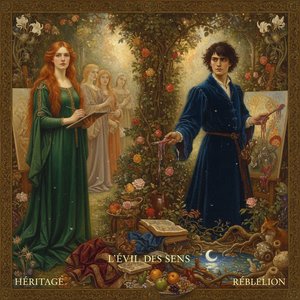
The Pre-Raphaelite Brotherhood: Reclaiming Beauty, Nature, and Truth in Victorian Art History
Explore the revolutionary Pre-Raphaelite Brotherhood. Discover how these visionary artists rejected academic tradition to reclaim beauty, nature, and truth through luminous detail and literary depth in Victorian art history.

Sir John Everett Millais: Pre-Raphaelite Rebellion & Victorian Narrative Detail
Explore the revolutionary art of Sir John Everett Millais & the Pre-Raphaelite Brotherhood. Discover their radical realism, symbolic narratives, and lasting impact on Victorian aesthetics. A deep dive into 19th-century masterpieces.

Pre-Raphaelite Romanticism: The Revival of Medieval Beauty and Nature in Victorian Art
Explore the profound beauty of Pre-Raphaelite Romanticism. Discover how visionaries like Rossetti and Millais revived medievalism and nature through meticulous detail and vibrant color in Victorian art history.


