Preview
 Send
Send Share
Share
 Details
 Guide
Guide

 Download
 Similars
 X-Ray
X-Ray Diaporama
 Stats
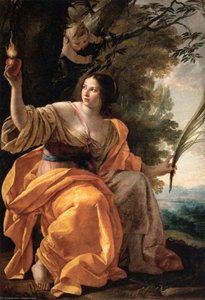
StatsSt Jerome and the Angel
 Oil On Canvas
- WallArt
- Baroque Painting
 1622
1622 145.0 x 180.0 cm
 National Gallery of Art
 Read More
Giclée / Art Print
Museum-quality giclée or canvas print with fast production and flexible finish options. ( Buy Hand Made Painting Switch to Digital Image)




P118B $10

P118H $10

P118W $10

P438Z $10

P508JH $12

P508YH $12

P805H $10

P805Z $10

P919BZ $10

P919G $10

P919XJ $10

P959ZH $10

P968JZ $12

W106C $8

W218G $10

W218JH $8

W218Y $10

W307PJ $10

W316G $10

W316PJ $8

W316Y $10

W398PJ $8

W4111J $10

W500HY $15

W500JH $15

W692G $12

W849H $8

W940BG $15

W953PJ $8




Pick from our preset sizes that match the artwork's original proportions.

Type the width and the height you need, to fit your frame or your wall. A print can only be cut, never made bigger than the picture, so a size with a different shape loses a part of the image. We send you a digital mockup to approve before we print anything. The picture shown on this page does not show the real cut — only the mockup does.
Worldwide Delivery () in 2 weeks instead of standard 4/5 weeks. (23 October)

Free Worldwide Express Shipping

High-Quality Linen Canvas

Full Shipping Insurance

Customs Tax Refund Guarantee

True Color Matching Guarantee

100-Day Return Policy (Defects Only)

100% Money-Back Guarantee

Bulk Discount Offer
 Glass option is only available in size under 110 CM

St Jerome and the Angel
Giclée / Art Print
Reproduction Size
-


Total Price
$ 81
St Jerome and the Angel: A Dialogue of Faith and Light
Simon Vouet’s “St. Jerome and the Angel,” painted in 1622, is more than just a depiction of a biblical scene; it's a carefully constructed meditation on divine guidance, spiritual contemplation, and the interplay between earthly and celestial realms. This masterful work, housed within the National Gallery of Art in Washington D.C., exemplifies the burgeoning Baroque style’s embrace of dramatic lighting, nuanced emotion, and a heightened sense of realism that distinguished it from the preceding Mannerism. The painting immediately draws the viewer into a scene brimming with quiet intensity – a moment of profound communication between the venerable Saint Jerome, known for his dedication to prayer and translation of the Bible, and the radiant angel who appears before him.
Vouet’s technical prowess is evident in every brushstroke. He skillfully employs *chiaroscuro*, a technique borrowed from Caravaggio, to create a dramatic contrast between light and shadow. The angel, bathed in an ethereal glow, stands in sharp relief against the darker, more muted tones of Jerome's robe and the shadowed background. This deliberate use of light isn’t merely aesthetic; it serves to emphasize the angel’s divine presence and the transformative nature of his message. The composition is carefully balanced – Jerome, a figure of venerable age and contemplative posture, occupies the lower portion of the canvas, while the dynamic angel dominates the upper register, creating a visual hierarchy that underscores their roles in the narrative.
A Renaissance Vision with Baroque Flair
Painted during Vouet’s extended sojourn in Rome, “St. Jerome and the Angel” reflects the profound influence of Italian art on French painting at the time. Vouet had immersed himself in the works of masters like Caravaggio, Paolo Veronese, and the Carracci brothers, absorbing their techniques and philosophies. However, he didn’t simply mimic these artists; instead, he synthesized their innovations with his own distinctive style, creating a uniquely French interpretation of the Baroque aesthetic. The painting showcases a move away from the stylized poses and flattened perspectives of Mannerism towards a more naturalistic approach to form and space – a hallmark of the emerging Baroque style.
The historical context is crucial to understanding the work’s significance. The early 17th century was a period of intense religious fervor in Europe, fueled by the Counter-Reformation. Paintings like this one were often commissioned by the Catholic Church as didactic tools – intended to inspire piety and reinforce orthodox doctrine. The scene of St. Jerome receiving divine guidance speaks directly to this purpose, offering a visual representation of faith, humility, and the promise of salvation.
Symbolism and Emotional Resonance
Beyond its religious subject matter, “St. Jerome and the Angel” is rich in symbolic detail. The book held by Jerome represents his life’s work – the translation of the Bible into Latin. The angel's outstretched hand and pointing finger symbolize divine instruction and revelation. The cup at the center of the image may represent the Holy Spirit or a symbol of spiritual nourishment. Notably, the angel is depicted not as a majestic, imposing figure but as a youthful, almost mischievous presence – suggesting that divine guidance can be both challenging and joyful.
The emotional impact of the painting is profound. The quiet intensity of Jerome’s expression, combined with the radiant beauty of the angel, evokes a sense of reverence and wonder. The scene invites viewers to contemplate their own relationship with faith and the possibility of receiving divine guidance in their lives. It's a moment suspended in time – a dialogue between man and God, rendered with exquisite skill and profound sensitivity.
A Legacy of Light and Shadow
Simon Vouet’s “St. Jerome and the Angel” stands as a testament to his artistic genius and his pivotal role in shaping the course of French painting. It exemplifies the transition from Mannerism to Baroque, showcasing the innovative techniques and stylistic choices that defined this transformative period. Today, reproductions of this captivating work continue to inspire artists and collectors alike, offering a glimpse into a world where faith, beauty, and light converge in a timeless tableau.
Questions & Answers
From which country does the Baroque Painting work "St Jerome and the Angel" come?
The Baroque Painting work "St Jerome and the Angel" was made by an artist born in France.
What kind of piece is "St Jerome and the Angel"?
In the catalog, "St Jerome and the Angel" by Simon Vouet is filed as wall art. The category helps find similar works.
What is the recommended print size for "St Jerome and the Angel" by Simon Vouet?
The recommended print size for "St Jerome and the Angel" by Simon Vouet is medium.
Artist Biography
Simon Vouet: A Pioneer of French Baroque Painting
- Born: January 9, 1590, Paris, France
- Died: June 30, 1649, Paris, France
Simon Vouet was a pivotal figure in the transition of French painting from Mannerism to the Baroque style. Born into an artistic family – his father Laurent was a painter and his brother Aubin also pursued art – Vouet received early training that laid the foundation for his future success. His grandson, Ludovico Dorigny, would continue the family’s artistic legacy.
Early Career and Italian Influences (1608-1627)
- Early Portraiture: Vouet began his career as a portraitist, demonstrating early talent.
- Travel to England (1608): At the young age of 14, he traveled to England to paint a commissioned portrait, showcasing his burgeoning reputation.
- Ottoman Empire and Venice: In 1611, Vouet joined the entourage of Baron de Sancy, French ambassador to the Ottoman Empire, again for portraiture work. This journey took him through Constantinople and then to Venice in 1612.
- Rome (1614-1627): His time in Rome proved transformative. He remained there for thirteen years, immersing himself in the vibrant artistic scene of the burgeoning Baroque period.
During his Italian sojourn, Vouet absorbed a diverse range of influences. He studied the dramatic lighting techniques pioneered by Caravaggio, embraced elements of Italian Mannerism, and meticulously analyzed the color palettes and di sotto in su (foreshortened perspective) employed by Paolo Veronese. He also drew inspiration from the works of Carracci, Guercino, Lanfranco, and Guido Reni, synthesizing these diverse styles into a unique artistic vision.
Development of Vouet’s Distinctive Style
- Election to Accademia di San Luca (1624): His success in Rome culminated in his election as president of the prestigious Accademia di San Luca, a testament to his skill and recognition within the Italian art world.
- Synthesis of Influences: Vouet’s style was characterized by its ability to absorb and distill various artistic influences. He didn't simply copy; he integrated these elements into a cohesive and distinctly Italianate Baroque aesthetic.
- Introduction of Baroque to France: Upon his return to France in 1627, Vouet played a crucial role in introducing the Italian Baroque style to French painting, significantly impacting the artistic landscape of the country.
Major Achievements and Legacy
- Premier Peintre du Roi: Vouet was appointed Premier peintre du Roi (First Painter to the King) – a position of considerable prestige and influence.
- Prolific Workshop: He maintained a large and active workshop, training numerous artists who would shape the subsequent generation of French painters.
- Notable Pupils: Among his most influential pupils were Charles Le Brun (who later organized all decorative painting at Versailles), Valentin de Boulogne, Charles Alphonse du Fresnoy, Pierre Mignard, Eustache Le Sueur, and Claude Mellan.
- Influence on French Art: Vouet’s impact extended beyond his own works; his students carried his style and techniques throughout France, establishing a distinctively Baroque school of painting. His influence is particularly evident in the grand decorative schemes commissioned by Louis XIV.
Historical Significance
Simon Vouet's legacy rests on his pivotal role as a bridge between Italian and French art. He successfully imported the dynamism and grandeur of the Italian Baroque, transforming it into a style that resonated with the tastes of the French court and aristocracy. His influence is undeniable in the development of French painting during the 17th century, and his contributions continue to be recognized by art historians today.

Simon Vouet
1590 - 1649 , France
Quick Facts
- Full Name: Simon Vouet
- Nationality: French
- Date Of Birth: 1590
- Date Of Death: 1649
- Place Of Birth: Paris, France
- Artistic Movement Or Style: Baroque painting
- Artists Who Influenced This Artist:
- Caravaggio
- Paolo Veronese
- Carracci
- Guercino
- Lanfranco
- Guido Reni
- Artists Or Movements Influenced By This Artist:
- Charles Le Brun
- Valentin de Boulogne
- French Baroque painting
Related Articles

Celestial Messengers: A Comprehensive Exploration of Angelic Representation in Art History
Explore the captivating history of angels in art! Discover symbolism, iconic Renaissance masterpieces & renowned artists. Expert insights for art lovers & collectors at OriginalUniqueArt.
Simon Vouet: A Baroque Master's Journey from Italian Influence to French Classicism
Explore the life & art of Simon Vouet, a pivotal French Baroque painter who introduced Italian styles to France. Discover his masterpieces and lasting influence on 17th-century art.

Baroque Drama: Bringing Opulence & Emotion into Contemporary Interiors
Explore the opulent world of Baroque interior design! Discover key elements, modern applications & how to bring dramatic elegance into your home with OriginalUniqueArt.com's authentic reproductions.
Charles Le Brun: Master of French Baroque Classicism & His Enduring Legacy
Explore the life & art of Charles Le Brun, master of French Baroque Classicism. Discover his royal commissions, influence on Versailles, and enduring legacy through detailed analysis & stunning artworks.

Celestial Messengers: Angels in Painting – A Historical & Artistic Exploration
Explore the captivating history of angels in painting! Discover symbolism, iconic Renaissance & Byzantine masterpieces, and renowned artists. Expert insights for art lovers & collectors at OriginalUniqueArt.