Preview
 Send
Send Share
Share
 Details
 Guide
Guide

 Download
 Similars
 X-Ray
X-Ray Diaporama
 Stats
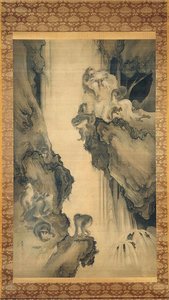
StatsA Carp Ascending a Waterfall


 Read More
Giclée / Art Print
Museum-quality giclée or canvas print with fast production and flexible finish options. ( Buy Hand Made Painting Switch to Digital Image)




P118B $10

P118H $10

P118W $10

P438Z $10

P508JH $12

P508YH $12

P805H $10

P805Z $10

P919BZ $10

P919G $10

P919XJ $10

P959ZH $10

P968JZ $12

W106C $8

W218G $10

W218JH $8

W218Y $10

W307PJ $10

W316G $10

W316PJ $8

W316Y $10

W398PJ $8

W4111J $10

W500HY $15

W500JH $15

W692G $12

W849H $8

W940BG $15

W953PJ $8




Pick from our preset sizes that match the artwork's original proportions.

Type the width and the height you need, to fit your frame or your wall. A print can only be cut, never made bigger than the picture, so a size with a different shape loses a part of the image. We send you a digital mockup to approve before we print anything. The picture shown on this page does not show the real cut — only the mockup does.
Worldwide Delivery () in 2 weeks instead of standard 4/5 weeks. (27 October)

Free Worldwide Express Shipping

High-Quality Linen Canvas

Full Shipping Insurance

Customs Tax Refund Guarantee

True Color Matching Guarantee

100-Day Return Policy (Defects Only)

100% Money-Back Guarantee

Bulk Discount Offer
 Glass option is only available in size under 110 CM

A Carp Ascending a Waterfall
Giclée / Art Print
Reproduction Size
-


Total Price
$ 81
Artist Biography
A Singular Vision: Shibata Zeshin (1807-1891)
Shibata Zeshin stands apart in the annals of Japanese art history—a figure simultaneously lauded as a revolutionary innovator and dismissed as stubbornly traditional. Born in Edo (modern Tokyo) in 1807, he descended from a lineage steeped in craftsmanship; his grandfather was a shrine carpenter, and his father, Ichigoro Shibata, possessed considerable skill as an ukiyo-e painter, having studied under Katsukawa Shunshō—a formative influence that instilled within him the values of meticulous observation and artistic discipline. This early exposure to both woodworking and painting would prove instrumental in shaping Zeshin’s distinctive oeuvre.- Early Apprenticeship & Suzuki Nanrei:
- The Pursuit of Mastery: Studying Under Nanrei
- Zeshin's Artistic Persona: “This Is True” – The Significance of His Name
Innovation Amidst Tradition: Zeshin’s Distinctive Style
Zeshin’s artistic style is characterized by a remarkable blend of meticulous realism and subtle expressive nuance. While adhering to established conventions of Sumi-e painting—particularly the depiction of landscapes and animals—he pushed boundaries through his masterful use of *maki-e*, a technique involving applying metallic pigments onto lacquer surfaces. This innovative approach allowed him to imbue his works with shimmering luminescence and textural depth, elevating them beyond mere representation into embodiments of spiritual contemplation. His paintings frequently explored themes of Buddhist serenity and harmony, reflecting the prevailing intellectual currents of the Meiji era.- Landscapes & Tigers: Capturing Nature’s Essence
- Maki-e Technique: Light & Texture in Japanese Lacquer Art
Legacy & Recognition: Zeshin’s Enduring Influence
Despite criticisms leveled against his perceived conservatism within Japan, Shibata Zeshin achieved considerable acclaim in the West, particularly in England and the United States. His works were exhibited internationally, garnering admiration for their aesthetic beauty and technical virtuosity—a testament to his artistic genius and a reflection of the burgeoning interest in Japanese art during the late nineteenth century. Today, Zeshin’s paintings continue to captivate audiences worldwide, serving as enduring symbols of Japan's artistic tradition and demonstrating the transformative power of blending meticulous observation with innovative technique. His legacy persists as an exemplar of artistic integrity and unwavering devotion to craft—a singular vision that resonates across time and culture.
Shibata Zeshin
1807 - 1891
Quick Facts
- Artistic Movement Or Style: Edo and Meiji periods; Shijo school
- Artists Or Movements Influenced By This Artist: ['Generations of lacquer artists']
- Artists Who Influenced This Artist:
- Katsukawa Shunsho
- Komā Kansai II
- Suzuki Nanrei
- Full Name: Shibata Zeshin
- Nationality: Japanese
- Notable Artworks:
- The Narrow Road to Shu
- Bamboo Sprouts
- Waves and Rocks
- Kannon
- Carp
- Place Of Birth: Edo, Japan
- Date Of Birth: 1807
- Date Of Death: 1891
Related Articles

The Floating World: Unveiling the Timeless Beauty and Soul of Japanese Ukiyo-e Artistry
Journey through the ephemeral beauty of Japanese Ukiyo-e. Uncover the profound history of woodblock prints, the mastery of Hokusai, and the captivating link between the 'Floating World' and Impressionism. A sophisticated guide for the discerning art enthusiast.

Floating Worlds: A Definitive Guide to the Mastery and Philosophy of Japanese Ukiyo-e Woodblock Prints
Explore the profound beauty of Ukiyo-e. Discover the history, philosophy, and legendary masters of Japanese woodblock prints, from Hokusai to Kuniyoshi, in this expert guide to the 'Floating World'.
Masterpieces of Japan: A Definitive Guide to Ukiyo-e and the Art of the Floating World
Explore the profound beauty of Japanese Ukiyo-e. From Hokusai's iconic waves to the elegance of the Edo period, discover the history and masters behind the 'Floating World' in this expert art-history guide for collectors and enthusiasts.

Hokusai's Masterpieces: 25 Iconic Prints & Paintings for Art Lovers | OriginalUniqueArt
Journey through Katsushika Hokusai’s 25 most iconic artworks, including *The Great Wave*. Explore the ukiyo-e master's history, style & timeless Japanese woodblock prints. Find museum-quality reproductions for your home at OriginalUniqueArt.com.
Ukiyo-e Unlocked: The Bold Japanese Art Movement That Defined Modern Pop Culture
Dive into the high-energy world of Ukiyo-e. Discover how Japan's 'floating world' woodblock prints pioneered bold colors and graphic storytelling, shaping the DNA of modern pop culture, anime, and street art. Explore the masters that defined a visual revolution.