Preview
 Send
Send Share
Share
 Details
 Guide
Guide

 Download
 Similars
 X-Ray
X-Ray Diaporama
 Stats
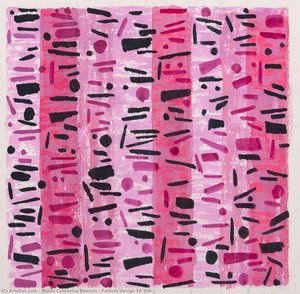
StatsPattern design SB 495


 Read More
The artwork displayed on this page is protected by copyright law, which means we cannot legally create or sell an identical reproduction. This protection is enforced under international agreements such as the Berne Convention and by national laws, including those outlined by the U.S. Copyright Law - Title 17.
This method fully complies with copyright regulations because it does not involve copying or duplicating the protected artwork. Instead, it is a creative reinterpretation - a new painting that is influenced by the original but not identical to it.
Giclée / Art Print
Museum-quality giclée or canvas print with fast production and flexible finish options. ( Buy Hand Made Painting Switch to Digital Image)




P118B $10

P118H $10

P118W $10

P438Z $10

P508JH $12

P508YH $12

P805H $10

P805Z $10

P919BZ $10

P919G $10

P919XJ $10

P959ZH $10

P968JZ $12

W106C $8

W218G $10

W218JH $8

W218Y $10

W307PJ $10

W316G $10

W316PJ $8

W316Y $10

W398PJ $8

W4111J $10

W500HY $15

W500JH $15

W692G $12

W849H $8

W940BG $15

W953PJ $8




Pick from our preset sizes that match the artwork's original proportions.

Type the width and the height you need, to fit your frame or your wall. A print can only be cut, never made bigger than the picture, so a size with a different shape loses a part of the image. We send you a digital mockup to approve before we print anything. The picture shown on this page does not show the real cut — only the mockup does.
Worldwide Delivery () in 2 weeks instead of standard 4/5 weeks. (24 October)

Free Worldwide Express Shipping

High-Quality Linen Canvas

Full Shipping Insurance

Customs Tax Refund Guarantee

True Color Matching Guarantee

100-Day Return Policy (Defects Only)

100% Money-Back Guarantee

Bulk Discount Offer
 Glass option is only available in size under 110 CM

Pattern design SB 495
Giclée / Art Print
Reproduction Size
-


Total Price
$ 81
A Rediscovered Vision: Sheila Bownas and the Vibrant Tapestry of Mid-Century Design
The world of mid-century design often celebrates bold geometric forms and stark modernist aesthetics, yet within this landscape lies a quietly remarkable artist – Sheila Catherine Bownas. For decades, her extraordinary talent remained largely obscured, a hidden gem unearthed only recently through a dedicated archive and the insightful work of Leeds Museums & Galleries. Bownas’s legacy isn't one of revolutionary upheaval, but rather a subtle yet profound contribution to the decorative arts, characterized by an exquisite balance of botanical observation, playful pattern design, and a deep understanding of the evolving tastes of her era.
Born in Linton, a picturesque village nestled within the Yorkshire Dales in 1925, Bownas’s artistic journey began with a formal education at Skipton Art School and culminated in a prestigious scholarship to the Slade School of Fine Art in London. This formative period instilled in her a rigorous approach to observation and a keen eye for detail – qualities that would later inform her meticulous botanical illustrations and her captivating textile designs. Her early exposure to the vibrant artistic currents of post-war Britain undoubtedly shaped her aesthetic sensibilities, fostering a desire to capture the optimism and burgeoning sense of possibility that permeated the nation.
The Language of Flowers and Form: Exploring Bownas’s Pattern Designs
Bownas's work is immediately recognizable by its lush, almost painterly quality. Her patterns aren’t simply printed onto fabric; they are hand-painted with a delicate precision that imbues each design with a sense of life and movement. The core of her style revolves around an intimate connection with the natural world, particularly flowers and foliage. However, she didn't merely replicate botanical illustrations; instead, she transformed them into dynamic, decorative motifs – sprigs of heather intertwined with stylized leaves, delicate blossoms bursting from geometric backgrounds, and intricate arrangements that seemed to breathe on the surface of the fabric.
A key element of Bownas’s design philosophy was her ability to adapt her style to suit the prevailing trends of the time. Early designs, influenced by the pioneering work of Lucienne Day at the Festival of Britain in 1951, embraced bold abstract shapes and geometric compositions. Later works, reflecting a shift towards more traditional sensibilities, featured familiar floral motifs rendered with a contemporary flair – soft colors, subtle textures, and an emphasis on creating a sense of warmth and comfort. The Leeds Museums & Galleries collection showcases this remarkable versatility, offering a compelling glimpse into the evolution of Bownas’s artistic vision.
Beyond Decoration: Symbolism and Context
To understand Bownas's work fully, it’s crucial to consider the historical context in which she created her designs. The 1950s and 60s were a period of significant social and economic change in Britain – a time of post-war reconstruction, burgeoning consumerism, and a growing desire for domestic comfort. Bownas's patterns resonated deeply with this cultural shift, providing stylish and affordable solutions for decorating homes and furnishing interiors. Her designs weren’t just aesthetically pleasing; they were imbued with a sense of hope and optimism – reflecting the nation’s renewed confidence in the future.
Furthermore, Bownas's work speaks to the often-overlooked role of women in the design industry during this period. Despite her considerable talent, she faced significant challenges securing recognition for her work, largely due to prevailing gender biases within the commercial world. The fact that her designs were frequently issued under the names of other manufacturers highlights the systemic inequalities that shaped her career – a poignant reminder of the hidden histories and untold stories embedded within the fabric of design history.
A Legacy Rediscovered: The Enduring Appeal of Bownas’s Vision
Sheila Catherine Bownas's work is more than just decorative patterns; it’s a testament to her artistic skill, her deep connection with nature, and her ability to capture the spirit of an era. Her designs continue to resonate today, offering a timeless blend of beauty, elegance, and understated sophistication. The rediscovery of her archive represents not only a celebration of her remarkable talent but also a vital contribution to our understanding of mid-century design – reminding us that true artistry often lies hidden beneath the surface.
Questions & Answers
What color intensity does "Pattern design SB 495" by Sheila Catherine Bownas have?
"Pattern design SB 495" by Sheila Catherine Bownas shows a balanced color intensity.
What does "Pattern design SB 495" share with the rest of Sheila Catherine Bownas's output?
Within Sheila Catherine Bownas's output, "Pattern design SB 495" sits in the Mid-Century Modern style, alongside the themes of british design, post-war optimism, botanical illustration, natural motifs, textile patterns, commercial appeal, regional yorkshire, local heritage.
How can I view "Pattern design SB 495" by Sheila Catherine Bownas as a slideshow?
A slideshow is available: the Diaporama page of "Pattern design SB 495" by Sheila Catherine Bownas.
Artist Biography
A Rediscovered Vision: The Life and Art of Sheila Catherine Bownas
Sheila Catherine Bownas, a name now resonating within the art and design world, was for many years a quietly prolific creator whose vibrant patterns and meticulous botanical illustrations remained largely unacknowledged. Born in the picturesque village of Linton, nestled in the Yorkshire Dales in 1925, Bownas’s artistic journey unfolded against a backdrop of post-war Britain, a period ripe with optimism and a burgeoning desire for colorful expression. From her earliest days at Skipton Girls' High School and later at Skipton Art School, her talent was evident, culminating in a prestigious Yorkshire Senior County Art Scholarship that propelled her to the esteemed Slade School of Fine Art in London. This pivotal moment shaped her artistic trajectory, fostering a unique blend of observational skill and imaginative design. Winning a first prize in 1948 and having three works selected for the Royal Academy Summer Exhibition that same year signaled a promising start to a career poised for recognition. A period studying art history in Florence further enriched her aesthetic sensibility, imbuing her work with a subtle sophistication.Navigating a Changing Landscape: Textile Design in Mid-Century Britain
Upon graduating from the Slade, Bownas embarked on a freelance career as a textile designer, a path that proved both creatively fulfilling and professionally challenging. The mid-20th century was an era of dynamic change in British design, with a growing demand for modern patterns to adorn homes and fabrics. Bownas quickly found work with prominent companies like Liberty & Co. and Marks & Spencer, crafting distinctive designs characterized by their vibrant colors, playful motifs, and harmonious blend of floral and geometric elements. Her patterns captured the spirit of optimism that permeated post-war Britain, offering a refreshing aesthetic for a nation eager to embrace modernity. However, her journey was not without obstacles. A stark rejection letter from Crown Wallpaper, explicitly stating a preference for male designers, underscored the pervasive gender bias within the industry at the time—a frustrating reality faced by many talented female artists and designers of that generation. Despite these hurdles, Bownas persevered, consistently producing high-quality work and establishing herself as a skilled professional in a competitive field.A Botanical Legacy: The Sedges of the British Isles
A significant chapter in Bownas’s career unfolded with her commission by the Natural History Museum in London. This led to an extensive collaboration with the Botanical Society of Britain and Ireland, where she undertook the monumental task of illustrating “Sedges of the British Isles.” Over six years, she meticulously rendered over 1500 detailed illustrations, showcasing not only her artistic precision but also her deep understanding of botanical structures. The project demanded unwavering dedication and an exceptional eye for detail, qualities that Bownas possessed in abundance. Her illustrations were instrumental in advancing botanical knowledge and documentation, providing a visual record of these often-overlooked plant species. This work stands as a testament to her commitment to scientific accuracy combined with artistic beauty—a rare synergy that elevates the project beyond mere technical illustration.Rediscovery and Enduring Influence
Following her years dedicated to botanical illustration, Bownas returned to her childhood home in Linton, continuing her freelance work until the mid-1980s. For decades, her artistic contributions remained largely obscure, known only to a small circle of colleagues and clients. However, fate intervened in 2008 when Chelsea Cefai stumbled upon a substantial archive of Bownas’s original designs at auction. This rediscovery sparked renewed interest in her work, leading to exhibitions, collaborations, and a growing appreciation for her unique artistic vision. The story of Sheila Bownas serves as a poignant reminder of the countless talented artists—particularly women—whose contributions have been historically overlooked or undervalued. Her vibrant patterns and meticulous illustrations now resonate with contemporary audiences, offering a glimpse into a bygone era while simultaneously inspiring new generations of designers and art enthusiasts. Her legacy is not merely one of aesthetic beauty but also of perseverance in the face of adversity, and a testament to the enduring power of artistic expression. Today, Sheila Bownas’s work stands as a vibrant celebration of mid-century design and botanical artistry—a rediscovered treasure that continues to captivate and inspire.
Sheila Catherine Bownas
1925 - 2007 , United Kingdom
Quick Facts
- Full Name: Sheila Catherine Bownas
- Nationality: British
- Date Of Birth: 1925
- Date Of Death: 2007
- Place Of Birth: Linton, United Kingdom
- Notable Artworks:
- Sedges of the British Isles
- Pattern design SB 463
- Artistic Movement Or Style: Mid-century modern
Related Articles

Woven Wonders: A Beginner's Guide to Elevating Your New Home with Timeless Textile Art
Discover how to transform your new home with the warmth of textile art. Our expert guide for newlyweds explores handwoven tapestries, tactile fibers, and timeless ways to curate a soulful, sophisticated interior through beautiful woven wonders.

Angelo Chiacchio: A Mid-Century American Illustration Master & the Rise of Commercial Art
Explore the captivating world of Angelo Chiacchio, a master of mid-century American illustration. Discover his evolution, signature style, and lasting impact on commercial art & design. Learn about his legacy at the Museum of American Illustration.

Mariano Fortuny: A Fusion of Art, Fashion & Design – Exploring a Venetian Innovator's Legacy
Explore the captivating world of Mariano Fortuny – artist, designer & innovator. Discover his revolutionary textiles, iconic Delphos gown, and lasting influence on art, fashion & interiors. A collector's guide to a Venetian master.
Beyond Canvas: Why Textile Art is the Next High-Impact Trend for Modern Interior Design
Discover why textile art is the next major trend in interior design. Explore how tactile fibers, bold textures, and sustainable mixed media are redefining modern urban spaces and bringing high-impact energy to contemporary collections.

Beyond the Canvas: Unveiling the Timeless Grandeur and Tactile Artistry of Textile Masterpieces
Embark on a sophisticated journey through the tactile realm of textile art. Unveil the historical evolution from utilitarian craft to museum-grade masterpieces, exploring the intricate textures and legendary artists that redefine the boundaries of fine art.