

 Send
Send Share
Share
 Details
 Guide
Guide

 Download
 Similars
 Diaporama
 Stats
StatsUntitled
 Black and White Photography
- Photo
- Contemporary Realism
 56.0 x 39.0 cm
 MAM Rio
 Read More
The artwork displayed on this page is protected by copyright law, which means we cannot legally create or sell an identical reproduction. This protection is enforced under international agreements such as the Berne Convention and by national laws, including those outlined by the U.S. Copyright Law - Title 17.
This method fully complies with copyright regulations because it does not involve copying or duplicating the protected artwork. Instead, it is a creative reinterpretation - a new painting that is influenced by the original but not identical to it.
Giclée / Art Print
Museum-quality giclée or canvas print with fast production and flexible finish options. ( Buy Hand Made Painting Switch to Digital Image)




































Pick from our preset sizes that match the artwork's original proportions.

Type the width and the height you need, to fit your frame or your wall. A print can only be cut, never made bigger than the picture, so a size with a different shape loses a part of the image. We send you a digital mockup to approve before we print anything. The picture shown on this page does not show the real cut — only the mockup does.
Worldwide Delivery () in 2 weeks instead of standard 4/5 weeks. (25 October)

Free Worldwide Express Shipping

High-Quality Linen Canvas

Full Shipping Insurance

Customs Tax Refund Guarantee

True Color Matching Guarantee

100-Day Return Policy (Defects Only)

100% Money-Back Guarantee

Bulk Discount Offer
 Glass option is only available in size under 110 CM

Untitled
Giclée / Art Print
Reproduction Size
-


Total Price
$ 81
Artist Biography
A Pioneer of Postcolonial Portraiture
Seydou Keïta, born around 1921 in Bamako, Mali—the precise date remains shrouded in the mists of time—emerged as a profoundly influential figure in African photography. His life coincided with a period of immense transformation for Mali, transitioning from a French colony to an independent nation, and his work serves as an invaluable visual record of this pivotal era. Initially drawn to carpentry, following in the footsteps of his father and uncle, Keïta’s artistic path took an unexpected turn in 1935 when he received a Kodak Brownie camera from an uncle returning from Senegal. This simple gift ignited a lifelong passion, setting him on a course that would redefine portraiture in West Africa. He skillfully balanced his trade as a carpenter with his burgeoning interest in photography, initially capturing the faces of family and friends before gradually expanding his clientele within the vibrant community of Bamako.Establishing a Studio and Artistic Vision
Keïta’s dedication to honing his craft led him to seek guidance from two key figures: Pierre Garnier, proprietor of a photographic supply store in Bamako, and Mountaga Traoré, an experienced photographer who served as a mentor. In 1948, he established his first photography studio in the heart of Bamako-Koura, quickly becoming a central hub for portraiture within the city. This wasn’t merely a business venture; it was a cultural phenomenon. Keïta's style rapidly became recognizable through his innovative use of props and backdrops, transforming simple portraits into striking compositions that spoke volumes about the aspirations and identities of his sitters. He didn’t simply record images; he *constructed* them, carefully orchestrating each element to convey status, modernity, and a sense of individual pride within a rapidly changing society. His studio became a space where individuals could present their ideal selves, embodying the hopes and dreams of a nation on the cusp of independence.Capturing a Society in Transition
At the core of Keïta’s work lies a meticulous documentation of Bamako society during the 1950s—a decade marked by significant social and political upheaval. His subjects, invariably dressed in their finest attire, exude an air of dignity and ambition. He possessed an extraordinary ability to capture not only individual personalities but also the collective cultural values that defined Malian life at the time. The patterned backdrops he employed weren’t merely decorative; they were carefully chosen to complement his sitters' clothing and reflect their tastes, adding layers of meaning to each portrait. A Vespa might signify modernity, a specific fabric could denote social standing, and a particular pose could convey a sense of confidence or aspiration. Keïta understood that these seemingly small details held immense cultural weight, and he skillfully incorporated them into his compositions. His portraits are not just images; they are narratives—visual stories about the people of Bamako and their place in a world undergoing profound change.From Studio to National Service and Lasting Legacy
In 1962, Keïta’s career took an unexpected turn when he transitioned into government service, becoming the official photographer for Mali’s head of police and later the director of National Security. This new role necessitated the closure of his beloved studio in 1963, marking a shift away from personal portraiture towards more formal documentation. He continued to work as a photographer until his retirement in 1977, but it was the body of work created during his years running the Bamako studio that would ultimately secure his place in art history. For many years, Keïta’s remarkable photographs remained largely unknown outside of Mali. International recognition arrived in 1991 with an anonymous exhibition at the Center for African Art in New York City. The astute art curator André Magnin played a pivotal role in identifying Keïta and bringing his extensive archive of negatives to wider attention, revealing the extraordinary depth and artistry of his work. Major retrospectives, including a landmark exhibition at the Grand Palais in Paris in 2016, have cemented his status as a leading figure in 20th-century photography. Seydou Keïta’s legacy extends far beyond his technical skill; he captured not just likenesses but also the *spirit* of a nation—offering invaluable insights into postcolonial African life and style that continue to resonate with audiences worldwide. His work remains a powerful testament to the enduring power of portraiture to document, celebrate, and preserve cultural identity.
Seydou Keïta
1921 - 2001 , Mali
Quick Facts
- Full Name: Seydou Keïta
- Nationality: Malian
- Date Of Birth: 1921
- Date Of Death: 2001
- Place Of Birth: Bamako, Mali
- Notable Artworks:
- Untitled (woman)
- Untitled (two women)
- Artistic Movement Or Style: Portraiture, Studio Photography
- Artists Who Influenced This Artist:
- Pierre Garnier
- Mountaga Traoré
Related Articles

Dark Masterpieces: 10 Iconic Paintings Dominated by Black Tones |
Explore 10 iconic paintings dominated by black tones, from Rembrandt’s chiaroscuro to Goya's dark expressions. Discover the stories behind these masterpieces & find museum-quality art reproductions for your home at .

Monochrome Visions: Exploring the Aesthetic & Historical Significance of Black & White Photography
Explore the rich history & artistic power of black and white photography. From early techniques to iconic masters like Ansel Adams, discover why monochrome continues to captivate art lovers today. Expert insights for collectors.

White on Canvas: 10 Masterpieces & Timeless Elegance for Your Home Decor
Explore 10 iconic white paintings by Monet, Whistler & Rothko! Discover the stories behind these serene masterpieces and their impact on art history. Find museum-quality reproductions for your home decor at .

Giclée Prints: Archival Quality & Aesthetic Nuances for the Discerning Collector
Explore the world of giclée prints with OriginalUniqueArt. Learn about archival quality, aesthetic nuances & investment potential. Expert guidance for discerning art collectors seeking museum-quality reproductions and lasting value.
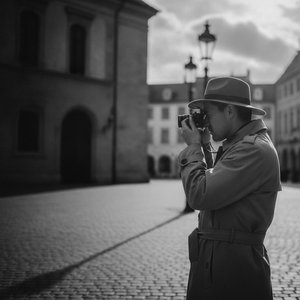
Beyond Color: The Timeless Power and Artistry of Black and White Photography
Explore the profound artistry of black and white photography. From the chemistry of gelatin silver to the chiaroscuro of the Old Masters, discover how monochrome captures the eternal essence of light, form, and emotion for the discerning art collector.
