

 Preview
 Send
Send Share
Share
 Details
 Guide
Guide

 Download
 Similars
 X-Ray
X-Ray Diaporama
 Stats
StatsUntitled (St. John)
 Acrylic On Canvas
- WallArt
- Contemporary Minimalism
 2009
2009 33.0 x 40.0 cm
 Palazzo Grassi
 Read More
The artwork displayed on this page is protected by copyright law, which means we cannot legally create or sell an identical reproduction. This protection is enforced under international agreements such as the Berne Convention and by national laws, including those outlined by the U.S. Copyright Law - Title 17.
This method fully complies with copyright regulations because it does not involve copying or duplicating the protected artwork. Instead, it is a creative reinterpretation - a new painting that is influenced by the original but not identical to it.
Giclée / Art Print
Museum-quality giclée or canvas print with fast production and flexible finish options. ( Buy Hand Made Painting Switch to Digital Image)




P118B $10

P118H $10

P118W $10

P438Z $10

P508JH $12

P508YH $12

P805H $10

P805Z $10

P919BZ $10

P919G $10

P919XJ $10

P959ZH $10

P968JZ $12

W106C $8

W218G $10

W218JH $8

W218Y $10

W307PJ $10

W316G $10

W316PJ $8

W316Y $10

W398PJ $8

W4111J $10

W500HY $15

W500JH $15

W692G $12

W849H $8

W940BG $15

W953PJ $8




Pick from our preset sizes that match the artwork's original proportions.

Type the width and the height you need, to fit your frame or your wall. A print can only be cut, never made bigger than the picture, so a size with a different shape loses a part of the image. We send you a digital mockup to approve before we print anything. The picture shown on this page does not show the real cut — only the mockup does.
Worldwide Delivery () in 2 weeks instead of standard 4/5 weeks. (20 October)

Free Worldwide Express Shipping

High-Quality Linen Canvas

Full Shipping Insurance

Customs Tax Refund Guarantee

True Color Matching Guarantee

100-Day Return Policy (Defects Only)

100% Money-Back Guarantee

Bulk Discount Offer
 Glass option is only available in size under 110 CM

Untitled (St. John)
Giclée / Art Print
Reproduction Size
-


Total Price
$ 81
Rudolf Stingel’s Untitled (St. John): A Meditation on Texture and Perception
The painting “Untitled (St. John)” by Rudolf Stingel stands as a testament to the artist's masterful manipulation of materials and his profound engagement with conceptual art principles. Created in 2009, this piece exemplifies Stingel’s signature style—a deliberate rejection of conventional artistic conventions in favor of exploring sensory experience and challenging viewers’ assumptions about representation. It’s not merely an image; it’s a carefully constructed invitation to contemplate the relationship between surface and substance, memory and materiality.The Tactile Landscape of Color
Stingel's technique is instantly recognizable: he begins with a canvas primed in shades of grey—a deliberate choice designed to neutralize any preconceived notions about color harmony. Upon this monochrome base, he applies thick layers of paint using spatula techniques, creating undulating textures that resemble geological formations or weathered landscapes. These expansive strokes aren’t intended to depict a specific scene but rather to evoke the feeling of encountering vastness and solitude. Subtle hints of red, yellow, and blue emerge from beneath the surface, appearing as if glimpsed through shifting light—a masterful illusion achieved by layering pigments with remarkable precision.Symbolism Rooted in Tradition
The figure depicted within the painting is deliberately ambiguous, bearing a hooded head reminiscent of Saint John the Baptist – a biblical icon symbolizing repentance and purification. However, Stingel avoids literal depiction, prioritizing emotional resonance over narrative clarity. The object held in the figure’s hand—a smooth, dark stone—further reinforces this symbolic dimension. Stones have historically represented stability, endurance, and connection to the earth; their placement alongside the hooded figure suggests themes of introspection and spiritual contemplation. This deliberate juxtaposition speaks to a broader artistic preoccupation with confronting existential questions and exploring the subconscious mind.A Dialogue Between Materiality and Illusion
Following the initial application of paint, Stingel introduces gauze—a translucent fabric stretched across the canvas—creating an additional layer of complexity. The gauze is subsequently sprayed with silver paint, resulting in a shimmering surface that disrupts our visual perception. This technique isn’t simply decorative; it actively engages with the concept of illusion and challenges viewers to question what they see versus what lies beneath. The removal of the gauze reveals the underlying texture—a rich tapestry of ridges and valleys—demonstrating Stingel's commitment to materiality as a conduit for conveying emotional impact.Concluding Reflections: Texture as Emotional Expression
Ultimately, “Untitled (St. John)” transcends mere visual representation. It’s an artwork that invites contemplation about how our senses shape our understanding of the world around us. Stingel’s masterful use of texture—combined with subtle color harmonies and symbolic imagery—creates a powerfully evocative experience for the viewer. Like many of his works, it speaks to a desire to bypass intellectual analysis and tap into primal emotions – reminding us that art can communicate truths beyond words, offering glimpses into the depths of human consciousness. It’s a piece destined to resonate with collectors and interior designers alike who appreciate the beauty of understated elegance and the profound exploration of sensory perception.Questions & Answers
Who made "Untitled (St. John)", and when?
"Untitled (St. John)" was created by Rudolf Stingel in 2009.
Is "Untitled (St. John)" available as a fine art print?
"Untitled (St. John)" is available as a fine art print on cotton canvas or archival canvas paper. Orders are placed on its Fine Art Print page, in the size of your choice.
How saturated is the palette of "Untitled (St. John)"?
"Untitled (St. John)" by Rudolf Stingel is recorded with a muted saturation.
Artist Biography
Rudolf Stingel: A Biography
- Born: Merano, Italy (1956)
- Current Residence: New York City
- Nationality: Italian
Early Life and Artistic Development
Rudolf Stingel emerged as a significant figure in the late 1980s art scene. Initially recognized for his monochromatic paintings, these works, primarily from 1987 to 1994, featured silvery surfaces with subtle undertones of red, yellow, or blue. This early period established Stingel's interest in exploring surface and perception. His artistic development took a pivotal turn in the 1990s as he began experimenting with more vibrant colors and textures. These abstract paintings involved applying thick layers of paint to canvas, followed by the placement of gauze and subsequent spraying with silver paint. The removal of the gauze resulted in richly textured surfaces that challenged traditional notions of painting.
Key Artistic Concepts and Materials
Stingel's work is fundamentally conceptual, utilizing readily available materials to explore ideas about art, space, and perception. His artistic practice expanded beyond painting to encompass installations and sculptures. Key elements of his approach include:
- Monochromatic Surfaces: Early works focused on the interplay of light and color within a limited palette.
- Textural Exploration: The use of gauze, spray paint, and other materials creates complex surface textures that invite tactile engagement.
- Carpet Installations: A defining characteristic of Stingel's work is his use of carpet as both a medium and a spatial element. He has transformed entire exhibition spaces – walls, floors, and even architectural structures – with monochrome or patterned carpets, blurring the lines between painting, sculpture, and architecture.
- Radiator Sculptures: Early installations featured translucent cast resin sculptures resembling radiators, incorporating orange acrylic paint to create an ethereal glow.
- Site-Specific Works: Stingel’s most impactful projects are often site-specific, adapting to the unique characteristics of a location. Plan B (2004), which covered the floors of Grand Central Terminal and the Walker Art Center with floral carpets, exemplifies this approach.
- Bust Sculptures: More recent works include grayscale busts exploring themes of age and melancholy through mixed media techniques.
Influences and Historical Significance
While Stingel's work resists easy categorization, several influences can be identified:
- Minimalism: The emphasis on simple forms and industrial materials reflects a connection to minimalist aesthetics.
- Conceptual Art: Stingel’s focus on the underlying ideas behind his art aligns with conceptual art practices.
- Pop Art: His use of everyday objects and mass-produced materials echoes Pop Art's engagement with popular culture.
Stingel's historical significance lies in his ability to challenge conventional definitions of painting and sculpture. By incorporating unconventional materials like carpet and transforming architectural spaces into artworks, he expands the boundaries of artistic expression. His work has contributed significantly to contemporary art discourse by questioning the relationship between art, space, and the viewer.
Major Achievements and Recognition
- Venice Biennale Participation: Stingel's work has been featured prominently at the Venice Biennale, a prestigious international art exhibition.
- Site-Specific Installations: His large-scale installations in public spaces like Grand Central Terminal have garnered widespread attention.
- Museum Exhibitions: Stingel’s works are held in numerous museum collections worldwide and have been featured in solo exhibitions at major institutions.
Explore more of Rudolf Stingel's work at OriginalUniqueArt.com.
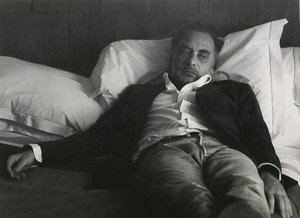
Rudolf Stingel
1956 - , Italy
Quick Facts
- Movement: Conceptual Art
- Birthdate: 1956
- Artistname: Rudolf Stingel
- Nationality: Italian
- Notableworks:
- Untitled (242 x 300 cm, Palazzo Grassi (Venice, Italy))
- Untitled (St. John)
- Untitled (St. Elizabeth)
- Date Of Birth: 1956
- Place Of Birth: Merano, Italy
- Biographysummary: Rudolf Stingel is an Italian artist born in Merano, Italy, known for his conceptual paintings and installations that challenge traditional notions of art. He utilizes readily available materials like styrofoam, carpet, and cast polyurethane to create works based on underlying concepts. His early work featured monochromatic silvery paintings, while later pieces involved vibrant colors applied to a black field with textured surfaces created using gauze and spray paint. Stingel also creates radiator sculptures from resin and site-specific installations covering spaces in carpet or insulation panels.
Related Articles
Beyond Sight: Exploring Tactile Dimensions and Illumination in Abstract Painting
Explore the captivating world of tactile abstraction! Discover impasto techniques, influential artists like Richter & Hoyland, and expert insights for collecting textured art. Elevate your space with museum-quality pieces.

Kandinsky's Masterpieces: 25 Paintings That Define Abstract Art | OriginalUniqueArt
Journey through Wassily Kandinsky's 25 most iconic abstract paintings. Explore his revolutionary use of color, form & spiritual expressionism. Find museum-quality Kandinsky reproductions and elevate your home decor with OriginalUniqueArt.com. Discover all masterpieces on OriginalUniqueArt.com!

Dark Masterpieces: 10 Iconic Paintings Dominated by Black Tones |
Explore 10 iconic paintings dominated by black tones, from Rembrandt’s chiaroscuro to Goya's dark expressions. Discover the stories behind these masterpieces & find museum-quality art reproductions for your home at .
Beyond the Lines: Mastering the High-Impact World of Contemporary Abstraction
Master the high-impact world of contemporary abstraction. Discover how bold colors, textures, and modern movements like Abstract Expressionism can transform your space with premium, high-energy art curated for the design-conscious professional.

Abstract Expressionism's 10 Defining Masterpieces |
Explore 10 defining Abstract Expressionism masterpieces by Pollock, Rothko & de Kooning. Discover the stories behind these iconic paintings and find museum-quality art reproductions to elevate your home decor on .


