

 Preview
 Send
Send Share
Share
 Details

 Download
 Similars
 X-Ray
X-Ray Diaporama
 Stats
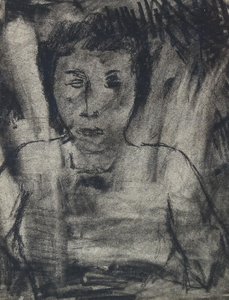
StatsNumber 34
 1968
1968 146.0 x 98.0 cm
 Read More
Purchase a high-resolution, enhanced digital image, far superior to the online preview.
Each file is meticulously prepared by our in-house specialists using advanced tools and expert manual retouching. We ensure every image has exceptional clarity, precise color accuracy, and fine detail.
The final file is delivered via email within 72 hours, optimized for immediate use in professional, editorial, and print environments. This is the same quality trusted by top-tier design studios, publishers, and galleries.
Digital Image
Download a high-resolution file for personal display, printing, and creative projects. ( Switch to Print Buy Hand Made Painting)
Included in Every Digital Image Order
Expert Digital Delivery, Guaranteed
When you choose OriginalUniqueArt.com, you're not just getting an image - you're receiving a professionally enhanced digital artwork, crafted with precision and backed by a satisfaction guarantee. Here's everything that comes with your order, automatically:

Fast Email Delivery
Your high-resolution digital image file will be emailed to you within 72 hours of ordering - ready for immediate use.

AI-Enhanced Digital File
Your artwork is professionally optimized using advanced AI tools and manual editing, ensuring maximum detail, clarity, and color accuracy.

Free Lifetime Re-Delivery
Accidentally deleted or lost your file? No worries - we'll resend it to you anytime, free of charge.

No Import Fees - Ever
Enjoy your artwork instantly with zero customs, duties, or delivery fees - digital downloads are always tax-free.

Color Accuracy Guarantee
We ensure your digital image reflects the original colors as closely as possible using professional tools and color management.

100-Day Satisfaction Guarantee
If you're not satisfied with your digital image, we'll revise it or refund 100% within 100 days - no questions asked.

100% Money-Back Guarantee
Not satisfied? Get a full refund within 100 days of receiving your digital file - no questions asked.

Bulk Order Discounts
Buy 3 images, save 10% - Buy 5, save 15% - Buy 10+, save 20%. Great for creative projects, galleries, and agencies.
Artist Biography
A Life Painted Across Continents: The Expressionist Journey of Rudolf Rapaport (Ray)
Rudolf Rapaport, known for much of his career as Rudolf Ray, was a restless spirit whose artistic voyage spanned continents and styles, leaving behind a vibrant legacy of expressionist painting. Born in Riga, Latvia, in 1891, his life was marked by displacement, personal tragedy, and an unwavering dedication to capturing the emotional core of human experience on canvas. He wasn’t merely a painter; he was a conduit for feeling, translating the anxieties and hopes of a tumultuous century into bold colors and evocative forms. His early training in Vienna proved foundational, immersing him in a cultural milieu that would profoundly shape his aesthetic sensibilities. The city, a hotbed of artistic innovation at the time, fostered an environment where experimentation flourished, and Rapaport quickly found himself drawn to the burgeoning Expressionist movement. He benefited from the critical eye of Oskar Kokoschka, whose encouragement helped solidify his path toward a deeply personal and subjective style.Vienna’s Embrace and Early Influences
The Vienna years were crucial in establishing Rapaport's artistic voice. The influence of the Secessionists – Klimt, Schiele, and others – is subtly present in his early works, though he quickly moved beyond direct imitation. He wasn’t interested in decorative elegance or symbolic allegory; instead, he sought to convey raw emotion through distorted figures, jarring color combinations, and a palpable sense of psychological tension. His paintings from this period often depict solitary figures lost in thought, reflecting the anxieties of a pre-war Europe grappling with rapid social change. The Galerie Neumann und Salzer exhibited his work in 1934, marking an early recognition within the Viennese art scene. However, the rising tide of political unrest would soon force him to seek refuge elsewhere. His time in Tel Aviv in 1936 offered a brief respite and exposure to new cultural influences before the looming shadow of World War II propelled him towards another continent.New York and a Search for New Expression
Arriving in New York City in 1942, Rapaport found himself amidst a thriving but very different artistic landscape. The Abstract Expressionist movement was gaining momentum, and while he didn’t fully align with its purely abstract tendencies, the energy and experimentation of artists like Pollock and Rothko resonated with his own desire to push boundaries. He exhibited at Peggy Guggenheim's Art of This Century gallery in 1944, a significant moment that introduced his work to a wider American audience. The Willard Gallery became a consistent venue for his exhibitions throughout the 1940s and 50s, allowing him to develop a dedicated following. However, Rapaport remained somewhat apart from the dominant trends, forging his own path—a unique blend of European Expressionism and American dynamism.India’s Spiritual Resonance and Mexican Color
A turning point in Rapaport's career came with his extended stay in India from 1958 to 1960. Living in Almora, nestled in the Himalayas, profoundly impacted his artistic vision. The spiritual atmosphere, vibrant colors, and ancient traditions seeped into his work, resulting in a series of paintings that explored themes of transcendence and inner peace. This period saw a shift towards more symbolic imagery and a heightened sense of luminosity. From 1960 to 1974, he resided in Mexico, where the rich cultural heritage and intense color palette further transformed his style. The landscapes, people, and traditions of Mexico ignited a new passion for vibrant hues and bold compositions. He found kinship with artists like Antonio Souza, exhibiting at his gallery in Mexico City in 1961.Legacy and Historical Significance
Rudolf Rapaport (Ray) died in London in 1984, leaving behind a diverse body of work that reflects a life lived fully and passionately. His paintings are now held in prestigious collections worldwide, including the Peggy Guggenheim Collection, the Metropolitan Museum of Art, and MUMOK in Vienna. He was an artist who refused to be categorized, constantly evolving and adapting his style while remaining true to his core expressive vision. While perhaps not as widely recognized as some of his contemporaries, Rapaport’s work offers a compelling testament to the power of art to transcend cultural boundaries and capture the complexities of the human spirit. His journey—from the artistic ferment of Vienna to the spiritual landscapes of India and the vibrant colors of Mexico—is a story of resilience, exploration, and an unwavering commitment to painting as a means of self-discovery and emotional expression. He stands as a significant figure in 20th-century Expressionism, a testament to the enduring power of individual artistic vision.- Born: Riga, Latvia, April 13, 1891
- Died: London, May 1984
- Key Influences: Oskar Kokoschka, Vienna Secessionists, Abstract Expressionism, Indian Spirituality, Mexican Culture.
rudolf rapaport
1891 - 1984 , Latvia
Quick Facts
- Artistic Movement Or Style: Expressionist painter
- Artists Who Influenced This Artist: ['Oskar Kokoschka']
- Date Of Birth: April 13, 1891
- Date Of Death: May 1984
- Full Name: Rudolf Rapaport (Ray)
- Nationality: Latvian-born
- Notable Artworks: ['Number 34']
- Place Of Birth: Riga, Latvia