

 Preview
 Send
Send Share
Share
 Details
 Guide
Guide

 Download
 Similars
 X-Ray
X-Ray Diaporama
 Stats
StatsStill Life with Fruit and Nuts
 Oil
Oil- WallArt
- Realism
 1848
1848- 19th Century
 44.0 x 54.0 cm
 Read More
Giclée / Art Print
Museum-quality giclée or canvas print with fast production and flexible finish options. ( Buy Hand Made Painting Switch to Digital Image)




































Pick from our preset sizes that match the artwork's original proportions.

Type the width and the height you need, to fit your frame or your wall. A print can only be cut, never made bigger than the picture, so a size with a different shape loses a part of the image. We send you a digital mockup to approve before we print anything. The picture shown on this page does not show the real cut — only the mockup does.
Worldwide Delivery () in 2 weeks instead of standard 4/5 weeks. (25 October)

Free Worldwide Express Shipping

High-Quality Linen Canvas

Full Shipping Insurance

Customs Tax Refund Guarantee

True Color Matching Guarantee

100-Day Return Policy (Defects Only)

100% Money-Back Guarantee

Bulk Discount Offer
 Glass option is only available in size under 110 CM

Still Life with Fruit and Nuts
Giclée / Art Print
Reproduction Size
-


Total Price
$ 81
A Symphony of Abundance: The Artistry of Duncanson’s Still Life
In the quiet intimacy of Still Life with Fruit and Nuts, painted in 1848, we are invited into a world of tactile richness and sensory delight. Robert Seldon Duncanson, an artist often celebrated for his sweeping, romanticized landscapes, demonstrates here a masterful command over the miniature stage of the tabletop. The composition is a lush, horizontal arrangement where nature’s bounty is presented with both precision and poetic grace. A golden yellow pear sits as a central anchor, flanked by the deep, rubicund glow of red apples and the delicate, pale hues of quinces. As the eye wanders across the putty-brown ledge, it encounters the intricate textures of a bountiful harvest: the translucent skin of green grapes that drape elegantly over the fruit, the wrinkled sweetness of raisins, and a scattered mosaic of walnuts, peanuts, almonds, and hazelnuts. It is a painting that does not merely depict food, but celebrates the very essence of ripeness and the fleeting beauty of the natural world.
The technique employed in this work speaks to a profound understanding of light and shadow, a hallmark of mid-19th-century academic excellence. Duncanson utilizes a dramatic chiaroscuro effect, where the foreground elements are bathed in a bright, frontal light that makes the textures pop with lifelike vitality. The sheen on an apple’s skin or the rugged, earthy shell of a walnut is rendered with such care that one can almost feel the weight and grit of the objects. This luminosity stands in stark contrast to the background, which dissolves into a deep, mysterious darkness. As the tabletop recedes, it is swallowed by soft shadows, creating an atmospheric depth that pushes the brightly lit fruit toward the viewer. This interplay of light creates a sense of three-dimensional presence, making the still life feel less like a flat image and more like a physical arrangement resting just within reach.
Beyond its aesthetic splendor, the painting carries a quiet emotional resonance that makes it an enduring piece for any collection. In the mid-1800s, still life paintings often served as meditations on memento mori—reminders of the passage of time and the ephemeral nature of life. The perfection of the ripe fruit represents the peak of vitality, yet the presence of dried raisins and hard-shelled nuts hints at the inevitable cycles of decay and preservation. For the modern collector or interior designer, this work offers a sophisticated balance of warmth and drama. Its earthy palette of browns, golds, and deep reds provides a grounding element to a room, while its classical composition brings an air of timeless elegance. Whether placed in a sunlit breakfast nook or a moody, library-style study, Duncanson’s masterpiece serves as a window into a moment of quiet, bountiful reflection.
Questions & Answers
Does "Still Life with Fruit and Nuts" show strong light-dark contrasts?
The contrast level of "Still Life with Fruit and Nuts" by Robert Seldon Duncanson is statement.
Are the colors of "Still Life with Fruit and Nuts" by Robert Seldon Duncanson saturated or muted?
The colors of "Still Life with Fruit and Nuts" by Robert Seldon Duncanson have a balanced soft saturation. Saturation describes how vivid or muted the colors are.
Which artist and which style stand behind "Still Life with Fruit and Nuts"?
Behind "Still Life with Fruit and Nuts" stand Robert Seldon Duncanson and the Realism movement.
Artist Biography
A Pioneer of the American Landscape
Robert Seldon Duncanson, a name that resonates with both artistic brilliance and historical significance, emerged as a pivotal figure in 19th-century American art. Born around 1821 in Fayetteville, New York, to parents of European and African descent—his father, John Dean Duncanson, a free Black tradesman who instilled the values of diligence and learning—Duncanson navigated a world fraught with racial prejudice while simultaneously achieving international acclaim as a landscape painter. His journey was one of self-education, unwavering dedication, and a profound connection to the natural world, ultimately establishing him as the first African American artist to gain widespread recognition on both sides of the Atlantic. The family’s relocation to Monroe, Michigan, saw young Robert apprenticed in carpentry and painting, revealing an early aptitude for art that would soon define his life's path.From Portraiture to Panoramic Vistas
Duncanson’s artistic development began with portraiture, a practical means of establishing himself as a professional artist. However, the burgeoning cultural scene of Cincinnati, Ohio—a city known as the “Athens of the West”—beckoned him in 1840, offering opportunities for growth and exposure that were unavailable elsewhere. Largely self-taught, Duncanson honed his skills through diligent study of prints and engravings, sketching directly from nature, and meticulously copying the works of established masters. This rigorous approach allowed him to develop a keen eye for detail and a remarkable technical proficiency despite lacking formal training. It was in Cincinnati that he began his transition towards landscape painting, drawn by the romantic ideals and sublime beauty of the American wilderness. The influence of the Hudson River School became increasingly apparent in his work, particularly the evocative compositions of Thomas Cole, whose dramatic depictions of nature resonated deeply with Duncanson’s own artistic sensibilities. He wasn't merely replicating scenes; he was interpreting them through a uniquely personal lens, imbuing his canvases with a sense of tranquility and spiritual connection.A European Sojourn and International Recognition
A turning point in Duncanson’s career arrived in 1853-1854 with an extended tour of Europe. This journey provided him with invaluable exposure to the works of European masters, broadening his artistic horizons and refining his technique. He studied the Old Masters, absorbing their approaches to light, color, and composition, which he then integrated into his own distinctive style. Upon his return, Duncanson’s work demonstrated a newfound sophistication and maturity, attracting attention not only in America but also in England, Scotland, and Canada. Exhibitions followed, solidifying his reputation as an artist of considerable talent and vision. He became a key figure in developing the Ohio River Valley landscape tradition, capturing the serene beauty of the region with remarkable skill. His paintings weren’t simply representations of place; they were expressions of mood, atmosphere, and the sublime power of nature.Legacy and Historical Significance
Robert Seldon Duncanson's legacy extends far beyond his artistic achievements. He broke down barriers for African American artists during a period marked by pervasive racial discrimination, serving as an inspiration for future generations. His success challenged prevailing societal norms and demonstrated the power of art to transcend prejudice. While art historians continue to debate the extent to which his race influenced his artistic expression—some suggesting subtle symbolic representations of racial themes within his landscapes—there is no denying that Duncanson’s life story is a testament to resilience, talent, and the enduring human spirit. For many years, his work was unjustly overlooked, but recent scholarship and exhibitions have brought renewed attention to his contributions to American art history.A Lasting Impression
Duncanson's paintings offer more than just aesthetic pleasure; they invite contemplation on themes of nature, spirituality, and the human condition. His masterful use of color, meticulous detail, and evocative compositions create a sense of immersion, drawing viewers into the tranquil beauty of his landscapes. He died unexpectedly in 1872 while preparing for an exhibition in Detroit, possibly due to lead poisoning from the paints he used. Today, Robert Seldon Duncanson stands as a pioneering figure—a testament to the power of art to overcome adversity and leave an indelible mark on the world. His serene vistas continue to captivate audiences, reminding us of the enduring beauty of nature and the remarkable talent of an artist who dared to dream beyond the limitations imposed upon him by his time.- Major Themes: Landscape painting, Romanticism, Hudson River School influence, spiritual connection with nature.
- Notable Works: “Landscape with Sheep,” “Roses Still Life,” and numerous depictions of the Ohio River Valley.
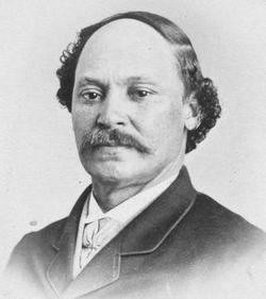
Robert Seldon Duncanson
1821 - 1872 , United States of America
Quick Facts
- Full Name: Robert Seldon Duncanson
- Nationality: American
- Date Of Birth: 1821
- Date Of Death: 1872
- Place Of Birth: Fayetteville, United States of America
- Notable Artworks:
- Landscape with Sheep
- Roses Still Life
- Artistic Movement Or Style: Hudson River School
- Artists Who Influenced This Artist: ['Thomas Cole']
- Artists Or Movements Influenced By This Artist: ['Ohio River Valley tradition']
Related Articles

Crimson Threads of Narrative: Exploring Symbolism & Representation in Artworks Featuring the Red Dress
Explore the rich symbolism of the red dress in art history! From ancient power displays to iconic portraits like Cézanne’s 'Madame Cezanne', discover the cultural and artistic significance behind this captivating color. Expert analysis & insights.

Dutch Masters: 10 Golden Age Paintings That Still Inspire |
Journey into the Dutch Golden Age! Explore 10 iconic paintings by Rembrandt, Vermeer & Hals. Discover the stories behind these Baroque masterpieces and find museum-quality art reproductions to elevate your home decor on .
Nature's Bounty: The Art History of Fruit Arrangement Masterpieces and the Baroque Still Life Tradition
Explore the profound beauty of fruit arrangement masterpieces. From Dutch Golden Age opulence to Baroque chiaroscuro, discover the art history, symbolism, and timeless elegance of classical still life paintings for the discerning collector.

The Bountiful Still Life: Symbolism & Artistic Representation of Fruit Across Art History
Explore the rich history of still life painting & the symbolism of fruit across art movements. Discover masterpieces from Caravaggio to Cézanne with OriginalUniqueArt – expert guidance & museum-quality reproductions.
Nature's Bounty: The Timeless Allure and Art History of Fruit Still Life Paintings
Discover the profound beauty of fruit still life paintings. Explore the rich symbolism, Baroque mastery, and timeless allure of nature's bounty through an art-historical lens, perfect for collectors and enthusiasts of classical fine art.


