

 Preview
 Send
Send Share
Share
 Details
 Guide
Guide

 Download
 Similars
 X-Ray
X-Ray Diaporama
 Stats
StatsUnder the Sea Wall
 Realism
 1892
1892 77.0 x 72.0 cm
 The Dick Institute
 Read More
Giclée / Art Print
Museum-quality giclée or canvas print with fast production and flexible finish options. ( Buy Hand Made Painting Switch to Digital Image)




































Pick from our preset sizes that match the artwork's original proportions.

Type the width and the height you need, to fit your frame or your wall. A print can only be cut, never made bigger than the picture, so a size with a different shape loses a part of the image. We send you a digital mockup to approve before we print anything. The picture shown on this page does not show the real cut — only the mockup does.
Worldwide Delivery () in 2 weeks instead of standard 4/5 weeks. (27 October)

Free Worldwide Express Shipping

High-Quality Linen Canvas

Full Shipping Insurance

Customs Tax Refund Guarantee

True Color Matching Guarantee

100-Day Return Policy (Defects Only)

100% Money-Back Guarantee

Bulk Discount Offer
 Glass option is only available in size under 110 CM

Under the Sea Wall
Giclée / Art Print
Reproduction Size
-


Total Price
$ 81
Artist Biography
Robert Noble (1857 – 1917): Echoes of Lothian’s Shores
Robert Noble, born in Edinburgh in 1857, emerged as a significant figure within the Scottish landscape painting tradition—a movement deeply rooted in Romantic ideals and characterized by an unwavering fascination with capturing the sublime beauty of the natural world. His artistic journey unfolded against the backdrop of Victorian Britain, where scientific inquiry wrestled with spiritual contemplation, shaping both the aesthetic sensibilities and intellectual pursuits of his era. While biographical details remain somewhat sparse – Noble’s personal life was largely private – his contribution to Scottish art history is undeniable, primarily through his masterful portrayals of East Lothian's coastline and surrounding rural landscapes.- Early Influences: Noble’s formative years were marked by exposure to the artistic currents circulating in Edinburgh’s intellectual circles. He studied at the Royal Scottish Academy, absorbing the stylistic principles championed by artists like Albert Brumby and David Octavius Hill—artists who prioritized atmospheric perspective and tonal modulation to convey emotion and grandeur. These influences instilled in Noble a profound respect for observation and meticulous technique.
- The Landscape Tradition: Like many of his contemporaries, Noble embraced the Romantic landscape tradition, which sought to elevate nature beyond mere decoration, presenting it as an embodiment of divine majesty and moral instruction. He meticulously documented the dramatic cliffs of Berwickshire and the serene meadows of Musselburgh Abbey, employing a distinctive palette dominated by muted greens, blues, and browns—colors carefully chosen to evoke mood and atmosphere.
- Technique & Style: Noble’s artistic style can be described as characterized by a deliberate blending of realism and Impressionistic tendencies. While he adhered to accurate topographical representation – capturing the contours of hillsides and the textures of rocks with remarkable precision – he simultaneously utilized loose brushstrokes and subtle color variations to imbue his canvases with an ethereal quality. This approach allowed him to convey not only what he saw but also how he felt about the subject matter.
Notable Works & Recurring Themes
Noble’s oeuvre comprises approximately eighty paintings, predominantly landscapes depicting East Lothian and Northumberland. Among his most celebrated pieces are “The Cliffs of Berwickshire” (1893), a monumental depiction of the dramatic coastline featuring towering cliffs battered by turbulent seas; “Musselburgh Abbey Meadows” (1896), capturing the tranquil beauty of the abbey grounds bathed in golden sunlight; and “Dunbar Castle Ruins” (1902), presenting a poignant portrayal of crumbling fortifications against a brooding sky. Recurring themes throughout his work include solitude, contemplation, and an appreciation for the sublime—concepts central to Romantic thought.- Symbolism & Emotion: Noble’s paintings transcend mere visual representation; they are infused with symbolic meaning reflecting the anxieties and aspirations of Victorian society. The brooding skies and desolate landscapes serve as metaphors for existential uncertainty, while the depiction of figures—often solitary shepherds or fishermen—suggests a yearning for communion with nature and transcendence.
- Legacy & Influence: Robert Noble’s artistic legacy extends beyond his individual paintings. He established himself as a respected teacher at Edinburgh College of Art, nurturing the talents of younger artists and fostering a commitment to traditional landscape painting techniques. His work continues to inspire admiration for its expressive power and unwavering devotion to capturing the essence of Scottish scenery.
Historical Context & Artistic Significance
Noble’s artistic output coincided with a period of significant social and intellectual transformation in Britain—the rise of Darwinian evolution challenged religious dogma, prompting artists to grapple with questions of morality and purpose. Simultaneously, the burgeoning field of psychology explored the complexities of human consciousness, influencing aesthetic sensibilities and encouraging artists to delve into the inner lives of their subjects. Noble’s landscapes stand as testament to this era's preoccupation with both scientific discovery and spiritual reflection—a harmonious blend that cemented his place within the broader artistic landscape of Victorian Scotland.
Robert Noble
1857 - 1917
Quick Facts
- Artistic Movement Or Style: Landscape Painting
- Artists Or Movements Influenced By This Artist: ['Hudson River School']
- Artists Who Influenced This Artist:
- William Stanhope Gay
- George Caleb Bingham
- Date Of Birth: 1857
- Date Of Death: 1917
- Full Name: Robert Noble
- Nationality: Scottish
- Notable Artworks:
- The Old Mill
- Coastal Landscape
- Place Of Birth: East Lothian
Related Articles

Evocations of Place: A Historical Journey Through Landscape Art
Explore the rich history of landscape art with OriginalUniqueArt. Discover renowned artists, movements like Impressionism & Romanticism, and expert guidance for collecting timeless pieces. Find your perfect serene escape today!

Romantic Landscapes: 10 Masterpieces for Your Home | OriginalUniqueArt
Journey through 10 Romantic landscape masterpieces by Friedrich, Turner & Cole. Explore emotional art, sublime nature scenes & iconic 19th-century paintings. Find museum-quality reproductions for your home at OriginalUniqueArt.com – discover the full collection online!
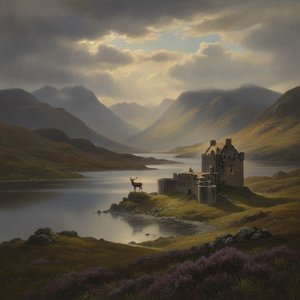
Capturing the Highlands: A Guide to Iconic Scottish Landscape Paintings and the Romantic Tradition
Explore the profound beauty of the Scottish Highlands through the lens of Romanticism. Discover the history, technique, and atmospheric mastery behind iconic landscape paintings from the Old Masters to museum-quality oil reproductions for collectors.
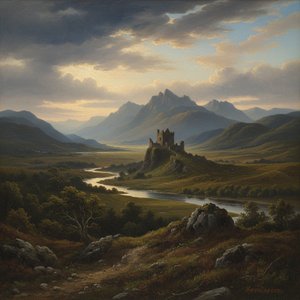
Alexander Nasmyth: Picturing Scotland's Romantic Landscape – Innovation & Identity
Explore the life & art of Alexander Nasmyth, a pivotal figure in Scottish Romantic landscape painting. Discover his iconic works, including portraits of Robert Burns, and learn about his lasting influence on national identity. Fine art reproductions available.

David Roberts: A Scottish Pioneer of Topographical Art & Orientalist Vision
Explore the captivating world of David Roberts, a pioneering Scottish painter renowned for his detailed Orientalist scenes & stunning Egyptian landscapes. Discover his legacy and find museum-quality reproductions at OriginalUniqueArt.


