Menu
FREE ART CONSULTATION
PreviewPreview AR previewAR preview Buy Print Buy PrintBuy Image Buy Image SendSend
DetailsDetails Add to favorites Add to favorites DownloadDownload SimilarsSimilars X-RayX-Ray DiaporamaDiaporama

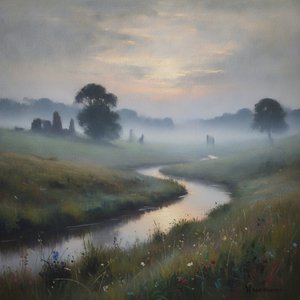
The White Monk

Discover 'The White Monk,' a serene 19th-century landscape painting by Richard Wilson. Featuring detailed realism, tranquil natural scenery, and spiritual symbolism, perfect for art collectors and home decor.

Discover Richard Wilson (1713-1782), a pioneer of British landscape painting. Explore serene countryside scenes & idyllic views influenced by Gainsborough. View his masterpieces now!

Hand Made Oil Reproduction

Hand-painted oil on canvas in your size and frame, made to order by our artists. (Buy Print Buy PrintBuy Image Buy Image)

P118B $10
P118H $10
P118W $10
P438Z $10
P508JH $12
P508YH $12
P805H $10
P805Z $10
P919BZ $10
P919G $10
P919XJ $10
P959ZH $10
P968JZ $12
W106C $8
W218G $10
W218JH $8
W218Y $10
W307PJ $10
W316G $10
W316PJ $8
W316Y $10
W398PJ $8
W4111J $10
W500HY $15
W500JH $15
W692G $12
W849H $8
W940BG $15
W953PJ $8

Standard
custom
CM
INCH

Pick from our preset sizes that match the artwork's original proportions.

width
height

You may enter your own dimensions to fit a specific frame or space. If your selected size does not match the original image's proportions, we will either crop the artwork or extend the painting with additional hand-painted elements. A digital mockup will be sent for your approval before production begins.
Please note that the on-screen preview does not reflect the actual cropping or extension. Only the mockup will accurately show the final composition.
While custom sizes are available, we recommend selecting a dimension from the predefined list to preserve the original proportions.

Examples of what can be changed: Replace face with customer photo; Add pet (e.g., replace cat with dog); Include hidden message in background; Change background landscape or elements.
After order, OriginalUniqueArt.com team will email client for instructions and provide a mockup preview

Worldwide Delivery () in 3/4 weeks instead of standard 5 weeks. (16 August). No compromise on quality.

why_choose_icon
Free Worldwide Express Shipping
why_choose_icon
High-Quality Linen Canvas
why_choose_icon
Full Shipping Insurance
why_choose_icon
Customs Tax Refund Guarantee
why_choose_icon
True Color Matching Guarantee
why_choose_icon
60-Day Return Policy (Defects Only)
why_choose_icon
100% Money-Back Guarantee
why_choose_icon
Bulk Discount Offer

Total Price

$ 300

reproduction

The White Monk

Reproduction Medium

Reproduction Size

-

Total Price

$ 300

Quick Facts

  • title: The White Monk
  • notable_elements: Large tree, river, distant buildings, solitary figure on horseback
  • artist: Richard Wilson
  • year: Unknown
  • style: Realism
  • subject: Serene landscape with figures, cross on hilltop, spiritual symbolism

Art Quiz

There is only one correct answer for each question.

Question 1:
Who is the artist of 'The White Monk'?
Question 2:
What is the primary style of 'The White Monk'?
Question 3:
What symbolic element in the painting suggests spiritual or religious themes?
Question 4:
What natural element dominates the landscape in 'The White Monk'?
Question 5:
What technique is most evident in Wilson's detailed rendering of natural elements?

Artwork Description

Captivating Subject and Composition

This exquisite landscape captures a tranquil rural scene imbued with spiritual symbolism and serene beauty. At its core, a majestic, sprawling tree dominates the right side of the composition, its textured foliage and expansive branches creating a sense of stability and life. A gentle river meanders through the scene, reflecting the soft hues of the sky and inviting viewers into a moment of quiet reflection. Small groups of figures rest peacefully by the water, their presence emphasizing themes of harmony, contemplation, and human connection with nature. The distant hilltop features a solitary cross, subtly hinting at spiritual faith and divine guidance, enriching the narrative with layers of meaning.

Masterful Style and Technique

Executed with meticulous attention to detail, this work exemplifies the realistic style characteristic of 19th-century landscape painting. The artist employs oil on canvas, allowing for rich layering, subtle gradations of color, and textured brushwork that bring the scene to life. The careful use of light and shadow enhances the depth and volume of natural elements, creating a vivid, immersive experience. The composition balances natural forms with geometric elements, such as distant buildings and the cross, guiding the viewer’s eye across the scene with a gentle rhythm. The artist’s skillful rendering of foliage, rocks, and water demonstrates a mastery of naturalistic detail that invites close inspection and admiration.

Historical Context and Artistic Significance

Rooted in the tradition of 19th-century landscape art, this painting reflects a period when artists sought to capture the sublime beauty of nature and its spiritual resonance. Influenced by the works of renowned British landscape painters like Thomas Gainsborough, the artist emphasizes idyllic, peaceful scenes that evoke a sense of nostalgia and reverence for the natural world. The inclusion of symbolic elements, such as the cross and the large tree, aligns with the era’s fascination with spirituality and the divine presence in everyday life. This work stands as a testament to the enduring power of landscape art to inspire reflection and convey profound emotional and philosophical themes.

Symbolism and Emotional Impact

Every element in this scene is carefully chosen to evoke a sense of calm, hope, and spiritual harmony. The large tree symbolizes life, growth, and stability, anchoring the composition and representing the enduring strength of nature. The cross on the hilltop introduces a spiritual dimension, suggesting divine guidance and faith. The soft sunset hues—pink, orange, and gold—imbue the scene with warmth and tranquility, inviting viewers to pause and contemplate the peaceful coexistence of humanity and the natural environment. The overall emotional tone is one of serenity and introspection, making this artwork a perfect centerpiece for spaces dedicated to reflection, inspiration, or spiritual contemplation.

Perfect for Collection and Interior Design

This high-quality reproduction offers art lovers, collectors, and interior designers an opportunity to bring timeless beauty and meaningful symbolism into their spaces. Its balanced composition and harmonious color palette make it an ideal focal point in living rooms, studies, or spiritual retreats. Whether displayed as a standalone piece or part of a curated collection, this artwork enhances any environment with its peaceful aura and artistic sophistication. A true testament to the enduring allure of landscape painting, it promises to inspire and elevate any interior with its understated elegance and profound narrative.

Artist Biography

Richard Wilson: A Pioneer of British Landscape Painting

Early Life and Training

Richard Wilson was born on July 24, 1713, in Islington, United Kingdom. Details regarding his early life remain scarce, but it is believed he received foundational artistic training. Wilson’s initial skills were likely developed through self-study and observation, as well as potentially from other artists of the time. His work demonstrates a strong grasp of classical techniques, suggesting a deliberate effort to master fundamental principles.

Artistic Career & Development

Wilson’s artistic journey unfolded in two distinct phases. He began his career as a portrait painter, but gradually transitioned towards landscape painting – the genre for which he is now celebrated. This shift marked a pivotal moment in British art history. His landscapes were not merely depictions of scenery; they were carefully constructed compositions imbued with atmosphere and emotion.

  • Early Influences: Initially, Wilson’s portraits showed the influence of established artists like Godfrey Kneller.
  • Transition to Landscape: His travels in Italy (around 1752) proved transformative. Exposure to Italianate landscapes and the works of Claude Lorrain profoundly impacted his style.
  • Mature Style: Wilson developed a uniquely British approach to landscape, blending classical ideals with the specific qualities of the English countryside.

Influences & Artistic Style

The most significant influence on Richard Wilson was Thomas Gainsborough. He admired Gainsborough’s ability to capture light and atmosphere, and incorporated similar techniques into his own work. However, Wilson distinguished himself through a more deliberate compositional structure and a greater emphasis on idealized beauty.

  • Classical Composition: Wilson often employed classical principles of balance and harmony in his landscapes.
  • Atmospheric Perspective: He skillfully used atmospheric perspective to create a sense of depth and distance.
  • Golden Light: His paintings are characterized by a warm, golden light that evokes a feeling of tranquility.

Notable Works & Achievements

Several works exemplify Wilson’s mastery.

  • Meleager and Atalanta (c. 1743): This painting showcases his skill in capturing the essence of the British countryside.
  • The Hengö Watch (1756-57): A masterpiece demonstrating Wilson’s ability to balance light, color and composition.
  • Numerous other landscapes: He produced a substantial body of work depicting various locations throughout Britain and Italy.

Historical Significance & Legacy

Richard Wilson is considered a pivotal figure in the development of British landscape painting. He paved the way for future generations of artists, including Francis Cotes, by demonstrating the artistic potential of the British countryside. His emphasis on capturing the beauty and tranquility of nature helped to establish a distinctively British tradition of landscape art.

  • Breaking from Portraiture: Wilson’s focus on landscape challenged the prevailing dominance of portraiture in British art.
  • National Identity: His paintings contributed to a growing sense of national identity and pride in the beauty of the British Isles.
  • Lasting Influence: Wilson’s work continues to inspire artists and art lovers today, solidifying his place as a key figure in art history.

Museum Collections

Wilson's works can be found in prominent museums including:

  • Tate Britain, London, United Kingdom
  • Walker Art Gallery, Liverpool, United Kingdom
  • National Museum of Wales, Cardiff, United Kingdom
richard wilson

richard wilson

1713 - 1782 , United Kingdom

Quick Facts

  • Birth_Date: July 24, 1713
  • Birth_Place: Islington, United Kingdom
  • Death_Date: 1782
  • Influenced: ['Francis Cotes']
  • Influenced_By: Thomas Gainsborough
  • Movement: British Landscape Painting
  • Name: Richard Wilson
  • Nationality: British
  • Notable_Works:
    • Meleager and Atalanta
    • The Hengö Watch
Explore artworks organized by themes, styles, and characteristics.