Preview
 Send
Send Share
Share
 Details
 Guide
Guide

 Download
 Similars
 X-Ray
X-Ray Diaporama
 Q&A
Q&A Stats
StatsThe Four Seasons


 Read More
Giclée / Art Print
Museum-quality giclée or canvas print with fast production and flexible finish options. ( Buy Hand Made Painting Switch to Digital Image)




P118B $10

P118H $10

P118W $10

P438Z $10

P508JH $12

P508YH $12

P805H $10

P805Z $10

P919BZ $10

P919G $10

P919XJ $10

P959ZH $10

P968JZ $12

W106C $8

W218G $10

W218JH $8

W218Y $10

W307PJ $10

W316G $10

W316PJ $8

W316Y $10

W398PJ $8

W4111J $10

W500HY $15

W500JH $15

W692G $12

W849H $8

W940BG $15

W953PJ $8




Pick from our preset sizes that match the artwork's original proportions.

Type the width and the height you need, to fit your frame or your wall. A print can only be cut, never made bigger than the picture, so a size with a different shape loses a part of the image. We send you a digital mockup to approve before we print anything. The picture shown on this page does not show the real cut — only the mockup does.
Worldwide Delivery () in 2 weeks instead of standard 4/5 weeks. (5 November)

Free Worldwide Express Shipping

High-Quality Linen Canvas

Full Shipping Insurance

Customs Tax Refund Guarantee

True Color Matching Guarantee

100-Day Return Policy (Defects Only)

100% Money-Back Guarantee

Bulk Discount Offer
 Glass option is only available in size under 110 CM

The Four Seasons
Giclée / Art Print
Reproduction Size
-


Total Price
$ 81
A Vision of Eternal Cycles
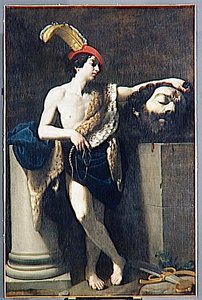
Renato Reni’s “The Four Seasons,” painted in 1617, is more than a depiction of nature's rhythms; it’s a profound meditation on the passage of time, the cyclical nature of life, and the interwoven destinies of humanity and divinity. This monumental work, now residing within the Museo di Capodimonte in Naples, immediately captivates with its rich tapestry of figures – four women embodying each season, their children representing the continuity of generations. The painting isn’t merely a visual record; it's an allegorical narrative brimming with symbolic weight and imbued with the emotional intensity characteristic of the High Renaissance.
Baroque Grandeur and Reni’s Signature Style
Reni, known as “Le Guide” (The Guide) for his masterful guidance to younger artists, expertly blends classical ideals with a distinctly Baroque sensibility. The composition is meticulously balanced, drawing the eye through a carefully orchestrated arrangement of figures and elements. His technique showcases an unparalleled command of color, light, and shadow – a hallmark of the era – creating a palpable sense of depth and atmosphere. Notice how he employs sfumato, subtly blurring outlines to soften forms and evoke a dreamlike quality. The rich palette, dominated by warm earth tones punctuated by vibrant splashes of color representing each season, contributes significantly to the painting’s dramatic effect.
- Technique: Oil on canvas, demonstrating Reni's mastery of glazing and layering techniques.
- Composition: A carefully balanced pyramid structure guides the viewer's eye through the scene.
- Color Palette: Dominated by earth tones with vibrant accents representing each season – green for Spring, golden hues for Summer, russet reds and browns for Autumn, and icy blues and whites for Winter.
Symbolism Woven into the Narrative
Each woman embodies a specific season, not just through her attire but also through the gestures and expressions that convey their respective moods. Spring is represented by a youthful figure holding a child, symbolizing new beginnings and fertility. Summer exudes warmth and abundance, while Autumn reflects contemplation and harvest. Winter evokes a sense of stillness and introspection. The presence of angels – one on the left, two on the right – reinforces the painting’s spiritual dimension, suggesting divine guidance and protection throughout the cycles of life. The children themselves are not merely decorative elements; they represent the continuation of time and the enduring legacy of each season.
A Window into 17th-Century Thought
“The Four Seasons” reflects the prevailing philosophical currents of the early 17th century, particularly the emphasis on cyclical time and the interconnectedness of all things. The painting speaks to a worldview where human life is inextricably linked to the rhythms of nature and the divine order. Further research reveals connections to Renaissance ideas about harmony, proportion, and the beauty of the natural world – themes that resonated deeply with artists and intellectuals of the era. The work’s enduring appeal lies in its ability to capture both the grandeur of historical art and the timeless relevance of universal human experiences.
Questions & Answers
How do medium and movement combine in "The Four Seasons"?
In "The Four Seasons", the acrylic on canvas technique meets the Baroque Classicism movement.
What is the recommended print size for "The Four Seasons" by Reni Guido (Le Guide)?
"The Four Seasons" is recommended at a medium print size. Other sizes are available with the same proportions.
In which year and which movement was "The Four Seasons" made?
"The Four Seasons" by Reni Guido (Le Guide) is dated 1617 and belongs to Baroque Classicism.
Artist Biography
Guido Reni (Le Guide): Life and Legacy
Early Life and Training
Guido Reni, also known as Le Guide, was born in Bologna, Italy, in 1575. He was the only child of Daniele Reni, a musician, and Ginevra Pozzi, also from a musical family. This upbringing instilled in him an appreciation for harmony and form that would later influence his artistic style. At the young age of nine, Guido began his apprenticeship under Denis Calvaert, a Flemish painter working in Bologna. He studied alongside fellow aspiring artists Albani and Domenichino, forming a strong foundation in classical principles.
Artistic Career and Development
Reni’s artistic career spanned several Italian cities, including Rome, Naples, and his native Bologna. His early work showed the influence of Calvaert and the Carracci brothers, emphasizing anatomical accuracy and dramatic composition. However, Reni quickly developed a distinctive style characterized by its elegant classicism, refined technique, and emotional intensity. He became a dominant figure in the Bolognese School, known for its emphasis on academic training and idealized forms.
Key Influences
- Denis Calvaert: Reni’s initial teacher provided him with a strong foundation in Flemish painting techniques.
- The Carracci Family (Annibale, Agostino, Ludovico): Their emphasis on classical art and anatomical study profoundly impacted his artistic development.
- Raphael: Reni greatly admired Raphael’s gracefulness and harmonious compositions, which are evident in many of his works.
Major Works and Artistic Style
Reni's oeuvre encompasses a wide range of subjects, including religious scenes, mythological narratives, and allegorical representations. Some of his most celebrated works include:
- Apollo on the Sun Chariot (Albertina, Vienna): A dynamic drawing showcasing Reni’s mastery of Baroque style.
- Saint James the Greater: Demonstrates his skill in capturing religious fervor and human emotion.
- Atalanta and Hippomenes (Palace of Capodimonte, Naples): An example of his mythological paintings, characterized by graceful figures and dramatic storytelling.
- Saint Jerome: A testament to Reni’s ability to balance composition with emotional depth.
- Tarantella (Palace of Capodimonte, Naples): Illustrates his influence on Italian folk dance culture.
Reni's style is often described as eclectic classicism. He blended the precision of classical art with the dynamism and emotion of the Baroque period. His figures are typically idealized, possessing a serene beauty and graceful movement.
Historical Significance and Legacy
Guido Reni played a crucial role in shaping the development of High Baroque style in Italy. He influenced generations of artists with his refined technique, elegant compositions, and emotional depth. His work can be found in prominent museums worldwide, including the Palace of Capodimonte in Naples. Reni’s legacy extends beyond painting; he was also a poet and a respected intellectual figure in his time.
His art continues to inspire artists and art enthusiasts today, solidifying his place as one of the most important painters of the 17th century. His influence can be seen in subsequent Baroque artists who sought to emulate his gracefulness and emotional power.
Death
Guido Reni died in Bologna in 1642, leaving behind a rich artistic legacy that continues to captivate audiences centuries later.

Reni Guido (Le Guide)
1575 - 1642 , Italy
Quick Facts
- Name: Guido Reni (Le Guide)
- Movement: High Baroque, Bolognese School
- Birth Date: 1575
- Death Date: 1642
- Birth Place: Bologna, Italy
- Nationality: Italian
- Date Of Birth: 1575
- Date Of Death: 1642
- Influenced By: Denis Calvaert
- Notable Works:
- Apollo on the Sun Chariot
- Saint James the Greater
- Atalanta and Hippomenes
- Saint Jerome
- Tarantella
- Place Of Birth: Bologna, Italy
Related Articles

Baroque Masterpieces: 10 Paintings That Defined an Era |
Journey through the drama & grandeur of Baroque art! Explore 10 masterpieces by Caravaggio, Rembrandt, Rubens & more. Discover stunning oil paintings, rich colors & timeless stories. Find museum-quality reproductions at .

Italian Baroque Unlocked: High-Drama Art That Hits Hard
Dive into the high-drama world of Italian Baroque art. Discover how chiaroscuro, intense emotion, and theatrical lighting redefined aesthetics. Explore the visceral power of the Counter-Reformation through a modern lens with expert insights from OriginalUniqueArt.com.

Simon Vouet: A Baroque Master's Journey from Italian Influence to French Classicism
Explore the life & art of Simon Vouet, a pivotal French Baroque painter who introduced Italian styles to France. Discover his masterpieces and lasting influence on 17th-century art.
Guido Reni: A Study in Baroque Classicism & Artistic Perfection
Explore the life & work of Guido Reni, a master of Baroque classicism. Discover his iconic religious & mythological paintings, and understand his enduring influence on art history. Expert analysis for collectors.

Baroque Drama: Bringing Opulence & Emotion into Contemporary Interiors
Explore the opulent world of Baroque interior design! Discover key elements, modern applications & how to bring dramatic elegance into your home with OriginalUniqueArt.com's authentic reproductions.