Preview
 Send
Send Share
Share
 Details
 Guide
Guide

 Download
 Similars
 X-Ray
X-Ray Diaporama
 Stats
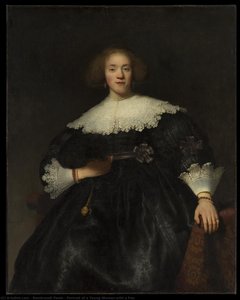
StatsSelf-portrait


 Read More
Giclée / Art Print
Museum-quality giclée or canvas print with fast production and flexible finish options. ( Buy Hand Made Painting Switch to Digital Image)




P118B $10

P118H $10

P118W $10

P438Z $10

P508JH $12

P508YH $12

P805H $10

P805Z $10

P919BZ $10

P919G $10

P919XJ $10

P959ZH $10

P968JZ $12

W106C $8

W218G $10

W218JH $8

W218Y $10

W307PJ $10

W316G $10

W316PJ $8

W316Y $10

W398PJ $8

W4111J $10

W500HY $15

W500JH $15

W692G $12

W849H $8

W940BG $15

W953PJ $8




Pick from our preset sizes that match the artwork's original proportions.

Type the width and the height you need, to fit your frame or your wall. A print can only be cut, never made bigger than the picture, so a size with a different shape loses a part of the image. We send you a digital mockup to approve before we print anything. The picture shown on this page does not show the real cut — only the mockup does.
Worldwide Delivery () in 2 weeks instead of standard 4/5 weeks. (22 October)

Free Worldwide Express Shipping

High-Quality Linen Canvas

Full Shipping Insurance

Customs Tax Refund Guarantee

True Color Matching Guarantee

100-Day Return Policy (Defects Only)

100% Money-Back Guarantee

Bulk Discount Offer
 Glass option is only available in size under 110 CM

Self-portrait
Giclée / Art Print
Reproduction Size
-


Total Price
$ 81
A Window into the Soul: Rembrandt Peale’s “Self-Portrait”
Rembrandt Peale's "Self-Portrait," executed in 1629, is more than just a likeness; it’s a profound meditation on identity, ambition, and the burgeoning spirit of early America. Created during a period of immense artistic ferment – mirroring the European masters while simultaneously forging a distinctly American style – this etching offers a remarkably intimate glimpse into the mind of a man poised to become a pivotal figure in the nation's cultural landscape. The portrait itself is deceptively simple: a young Peale, dressed in dark attire and adorned with a stylish hat, gazes directly at the viewer with an expression that balances quiet contemplation and determined resolve.
The technical mastery on display is immediately striking. Peale’s skill as an engraver is evident in the meticulous rendering of textures – from the smooth fabric of his coat to the intricate details of his hair. He employs a sophisticated range of hatching and cross-hatching, techniques borrowed from Northern European masters like Rembrandt himself, to create subtle gradations of tone and volume. These lines aren’t merely decorative; they are carefully orchestrated to define form, suggest shadow, and imbue the portrait with a remarkable sense of depth and realism. The stark contrast between light and dark – a hallmark of his style – draws attention to key features, particularly the eyes, which seem to hold both intelligence and vulnerability.
The Legacy of Charles Willson Peale
Understanding “Self-Portrait” requires acknowledging its context within the life and career of Charles Willson Peale. As a painter, museum founder, and ardent naturalist, Peale was deeply invested in promoting art and science to the American public. His ambition wasn’t simply to create beautiful images; he sought to educate, inspire, and foster a sense of national pride through artistic representation. Rembrandt Peale, his son, inherited this legacy, absorbing his father's passion for portraiture and his belief in art’s power to shape society. The young Rembrandt clearly aimed to emulate his father’s success, establishing himself as a leading portraitist within the rapidly evolving American art scene.
The portrait itself can be seen as a deliberate statement of intent – a visual declaration of Peale's artistic aspirations and his commitment to upholding a tradition of excellence. It reflects not only his personal ambitions but also the broader cultural values of the time, where self-representation was increasingly valued as a means of asserting one’s identity and status.
Symbolism and the Portraiture of Identity
While the portrait appears straightforward, it's rich with subtle symbolic elements. The hat, fashionable for the period, suggests sophistication and social standing. The dark clothing, often associated with seriousness and introspection, reinforces the sense of thoughtful contemplation. However, the most compelling aspect is Peale’s gaze – direct and unwavering – which invites a connection between the artist and the viewer. This directness was considered crucial in portraiture; it demanded engagement and fostered a feeling of intimacy.
Furthermore, the oval border framing the image—a common device in portraits of this era—creates a sense of formality and timelessness. It elevates the subject to an almost iconic status, suggesting that Peale intended his self-portrait to be more than just a likeness; it was meant to embody a particular ideal of masculinity and artistic achievement.
A Timeless Masterpiece – Reimagined
Today, “Self-Portrait” stands as a testament to the remarkable talent of Rembrandt Peale and a vital document in the history of American art. Its enduring appeal lies not only in its technical brilliance but also in its profound exploration of human identity. If you’re seeking a piece that embodies both artistic skill and emotional resonance, consider commissioning a high-quality reproduction from OriginalUniqueArt.com. These meticulously crafted reproductions capture the essence of Peale's original work, allowing you to bring this timeless masterpiece into your home or office – a window into the soul of an artist and a pivotal moment in American history.
Questions & Answers
Can I preview "Self-portrait" by Rembrandt Peale before ordering?
To preview a reproduction of "Self-portrait" by Rembrandt Peale, open the artwork's Preview page.
What subjects appear in "Self-portrait" by Rembrandt Peale?
"Self-portrait" by Rembrandt Peale depicts: portrait, self-portrait, etching, black & white, realism, dutch art, rembrandt peale, 18th century.
What is the color identity of "Self-portrait" by Rembrandt Peale?
"Self-portrait" is defined by a neutrals palette led by espresso (#46443e).
Artist Biography
A Legacy of Likeness: The Life and Art of Rembrandt Peale
Rembrandt Peale, born in Bucks County, Pennsylvania, in 1778, emerged from a family deeply entrenched in the burgeoning artistic landscape of early America. His father, Charles Willson Peale, was not merely an artist but a cultural force—a painter, museum founder, and ardent believer in the power of art to shape national identity. It was within this stimulating environment that young Rembrandt received his foundational training, alongside his siblings, learning the techniques of portraiture and landscape painting from their father’s skilled hand. The very bestowal of the name “Rembrandt,” echoing the Dutch master Harmenszoon van Rijn, signaled Charles Willson Peale's aspirations for his son—a hope that he would carry forward a tradition of artistic excellence. From an astonishingly young age, Rembrandt demonstrated remarkable aptitude, completing his first self-portrait at just thirteen years old, a work already hinting at the precision and ambition that would characterize his mature style. This early piece wasn’t simply a display of technical skill; it was a statement of intent, a young artist declaring his presence on the American art scene.Formative Years and Neoclassical Influences
Peale's artistic journey took him to Paris in his early thirties, a pivotal experience that profoundly shaped his aesthetic sensibilities. Immersed in the heart of European culture, he encountered the prevailing currents of French neoclassicism—a style emphasizing order, clarity, and a return to classical ideals. This influence is readily apparent in Peale’s subsequent work, characterized by its refined draftsmanship, balanced compositions, and meticulous attention to detail. While his father's portraits often possessed a certain rustic vitality, Rembrandt’s leaned towards a more polished and idealized representation of his subjects. He embraced the encaustic technique during this period, an ancient method utilizing wax as a medium, demonstrating a commitment to exploring innovative approaches to painting. However, Peale didn’t simply mimic European styles; he adapted them to the American context, creating portraits that reflected the nation's evolving sense of identity and its aspirations for cultural independence. His dedication to capturing accurate likenesses, combined with his neoclassical training, allowed him to create images that were both aesthetically pleasing and historically significant.A Prolific Portraitist: Capturing an Era
Rembrandt Peale’s career was remarkably prolific, marked by a relentless pursuit of artistic perfection and a dedication to documenting the prominent figures of his time. He became particularly renowned for his portraits of George Washington, creating over seventy replicas of his iconic “Patriae Pater” (Father of His Country). These images weren't merely representations of physical appearance; they were carefully constructed symbols of national pride and leadership. Peale understood the power of portraiture to shape public perception and contribute to the creation of a collective memory. Beyond Washington, he painted numerous other influential individuals, including Thomas Jefferson, John C. Calhoun, and various members of the American elite. His portraits weren’t limited to political figures; he also captured the likenesses of ordinary citizens, offering a glimpse into the lives and aspirations of everyday Americans. Man with a Beard, though undated, exemplifies his skill in capturing individual character and psychological depth. Each brushstroke reveals not just physical features but also hints at the sitter’s inner life.Beyond the Canvas: The Peale Museum and Enduring Legacy
Rembrandt Peale's contributions extended beyond the realm of painting; he was a visionary museum founder, driven by a desire to educate the public and promote artistic appreciation. In 1814, he established his first museum in Baltimore, Maryland—a groundbreaking institution that served as a precursor to many modern art museums. This wasn’t simply a gallery for displaying artworks; it was conceived as a center for learning, offering exhibitions of paintings, sculptures, and natural history specimens. The museum later became the second Baltimore City Hall before being restored as the Peale Museum, continuing his legacy of public service through art. His commitment to making art accessible to all reflects a deeply held belief in its transformative power. Today, Rembrandt Peale’s works are housed in prestigious collections around the world, including the National Portrait Gallery in Washington D.C., and continue to be celebrated for their historical significance and artistic merit. His influence can be seen in the work of subsequent generations of American portrait painters, solidifying his place as a pivotal figure in the nation's art history.A Lasting Impression
Rembrandt Peale’s life was one dedicated to both artistic creation and cultural enrichment. He wasn’t simply a painter; he was a historian, an educator, and a champion of American identity. His portraits offer invaluable insights into the personalities and values of his era, while his museum served as a beacon of enlightenment in a rapidly changing nation. His legacy endures not only through his numerous artworks but also through his pioneering spirit and unwavering commitment to the power of art. He left behind a body of work that continues to inspire and captivate audiences today, reminding us of the enduring importance of preserving our cultural heritage and celebrating the achievements of those who came before us.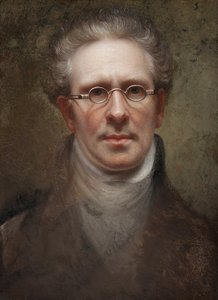
Rembrandt Peale
1778 - 1860 , United States of America
Quick Facts
- Full Name: Rembrandt Peale
- Nationality: American
- Date Of Birth: 1778
- Date Of Death: 1860
- Place Of Birth: Bucks County, United States of America
- Notable Artworks:
- George Washington (porthole type)
- Man with a beard
- Rev. John Pierpont portrait
- Artistic Movement Or Style: Neoclassicism
- Artists Who Influenced This Artist: ['Rembrandt van Rijn']
Related Articles

Rembrandt's Masterpieces: Explore 25 Iconic Paintings & Prints | OriginalUniqueArt
Journey through Rembrandt van Rijn's 25 most iconic paintings & etchings. Explore Dutch Golden Age masterpieces, dramatic chiaroscuro, and timeless portraits. Find museum-quality art reproductions to elevate your home decor on OriginalUniqueArt.com.

Etching: A Historical Survey of Technique, Aesthetic Qualities & Enduring Artistic Significance
Explore the rich history of etching, from its origins to Rembrandt's masterful innovations. Discover the technique, aesthetic qualities & enduring legacy of this captivating art form. Expert insights for collectors and enthusiasts.

Dark Masterpieces: 10 Iconic Paintings Dominated by Black Tones |
Explore 10 iconic paintings dominated by black tones, from Rembrandt’s chiaroscuro to Goya's dark expressions. Discover the stories behind these masterpieces & find museum-quality art reproductions for your home at .
Etching Masters: 10 Legendary Prints That Revolutionized Art | OriginalUniqueArt
Journey through 10 legendary etching masterpieces by Rembrandt, Dürer & Goya. Explore the history of printmaking and discover timeless art for your home. Find museum-quality reproductions at OriginalUniqueArt.com.

The Intricate World of Etching: A Historical Survey of Technique, Aesthetic Evolution, and Enduring Artistic Impact
Explore the rich history of etching, from its origins to modern practice. Discover techniques, key artists like Rembrandt, and insights for collectors. A comprehensive guide by OriginalUniqueArt.