Preview
 Send
Send Share
Share
 Details
 Guide
Guide

 Download
 Similars
 X-Ray
X-Ray Diaporama
 Q&A
Q&A Stats
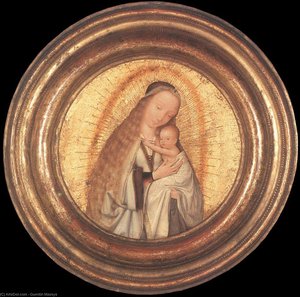
StatsSt Anne Altarpiece (central panel)
 Oil On Panel
- WallArt
- Early Netherlandish Renaissance
 1507
1507 224.0 x 219.0 cm
 Musées Royaux des Beaux-Arts
 Read More
Giclée / Art Print
Museum-quality giclée or canvas print with fast production and flexible finish options. ( Buy Hand Made Painting Switch to Digital Image)




P118B $10

P118H $10

P118W $10

P438Z $10

P508JH $12

P508YH $12

P805H $10

P805Z $10

P919BZ $10

P919G $10

P919XJ $10

P959ZH $10

P968JZ $12

W106C $8

W218G $10

W218JH $8

W218Y $10

W307PJ $10

W316G $10

W316PJ $8

W316Y $10

W398PJ $8

W4111J $10

W500HY $15

W500JH $15

W692G $12

W849H $8

W940BG $15

W953PJ $8




Pick from our preset sizes that match the artwork's original proportions.

Type the width and the height you need, to fit your frame or your wall. A print can only be cut, never made bigger than the picture, so a size with a different shape loses a part of the image. We send you a digital mockup to approve before we print anything. The picture shown on this page does not show the real cut — only the mockup does.
Worldwide Delivery () in 2 weeks instead of standard 4/5 weeks. (31 October)

Free Worldwide Express Shipping

High-Quality Linen Canvas

Full Shipping Insurance

Customs Tax Refund Guarantee

True Color Matching Guarantee

100-Day Return Policy (Defects Only)

100% Money-Back Guarantee

Bulk Discount Offer
 Glass option is only available in size under 110 CM

St Anne Altarpiece (central panel)
Giclée / Art Print
Reproduction Size
-


Total Price
$ 81
The St Anne Altarpiece: A Window into Renaissance Devotion
Quentin Massys’s “St Anne Altarpiece (central panel),” completed in 1509, is more than just a religious painting; it's a meticulously crafted microcosm of late medieval and early Renaissance ideals. Commissioned by the Confraternity of St Anne in Leuven, Belgium, this monumental work offers a profound glimpse into the spiritual life, social dynamics, and artistic innovations of its time. Measuring an impressive 224 x 219 cm, the central panel immediately commands attention with its rich palette, intricate detail, and carefully orchestrated composition – a testament to Massys’s skill as both a painter and a master of visual storytelling.
The scene depicted is centered around St Anne, the Virgin Mary's mother, revered for her piety and role as a model of domestic virtue. She sits serenely within a grand architectural setting, reminiscent of Italianate design – a deliberate nod to the burgeoning influence of Renaissance architecture on Northern European art. Surrounding her are her family: the infant Jesus nestled in her arms, Mary Cleophas (Mary Magdalene) and Mary Salome, both young women adorned in luxurious fabrics and jewels. The inclusion of these figures isn’t merely decorative; it underscores the importance of lineage, faith, and familial devotion within the context of 16th-century piety. The overall atmosphere is one of dignified reverence, a carefully constructed tableau designed to inspire contemplation and foster a sense of connection with the sacred.
A Symphony of Technique: Massys’s Renaissance Vision
Massys's mastery lies not only in his subject matter but also in his innovative technique. He skillfully employed oil paints – a relatively new medium at the time – to achieve unprecedented levels of realism and luminosity. Note the subtle gradations of color, the delicate rendering of fabrics, and the meticulous detail lavished upon each figure’s face and expression. The use of *sfumato*, a technique borrowed from Leonardo da Vinci, creates an atmospheric haze that softens edges and imbues the scene with a sense of depth and realism. The architectural background, painted in trompe-l'oeil fashion, further enhances this illusionistic effect, blurring the boundaries between reality and representation.
Furthermore, Massys demonstrates a keen understanding of perspective – a key element of Renaissance art. The receding planes of the architecture create a convincing sense of space, drawing the viewer’s eye into the scene. The figures are arranged in a pyramidal composition, lending stability and harmony to the overall design. This careful attention to detail reflects Massys's commitment to capturing not just the outward appearance but also the inner essence of his subjects.
Symbolism and Social Commentary
Beyond its religious subject matter, the altarpiece is rich in symbolic meaning. The inclusion of various saints, prophets, and biblical figures – such as David, representing Christ’s lineage – serves to reinforce the narrative of salvation and divine grace. The presence of wealthy patrons like Joost Vijdt and his wife Lysbette, depicted as donors on the wings of the altarpiece, highlights the close relationship between art and patronage during this period. It also subtly reflects the rising prominence of a new merchant class in Antwerp, eager to demonstrate their piety and social standing through artistic commissions.
The depiction of St Anne’s family is particularly noteworthy. The inclusion of her three daughters – Mary Cleophas, Mary Salome, and the young cousin of Jesus – represents the continuity of faith across generations. Each figure embodies different aspects of womanhood—the devout mother, the penitent Magdalene, and the youthful bride—reflecting the multifaceted roles women played in Renaissance society.
A Legacy of Innovation
The “St Anne Altarpiece” stands as a pivotal work in the development of Flemish painting. Massys’s innovative use of oil paint, his mastery of perspective, and his skillful integration of Italianate architectural elements foreshadowed the emergence of the Antwerp School – a vibrant artistic movement that would profoundly influence generations of artists. This altarpiece is not merely a devotional image; it's a window into a complex and dynamic society—a testament to the enduring power of art to reflect, shape, and inspire.
Questions & Answers
What palette and what feeling does "St Anne Altarpiece (central panel)" combine?
The earthy palette of "St Anne Altarpiece (central panel)" by Quentin Massys goes together with its tranquil emotional tone. Color is one of the ways a work conveys feeling.
What level of contrast does "St Anne Altarpiece (central panel)" by Quentin Massys show?
"St Anne Altarpiece (central panel)" by Quentin Massys shows a statement contrast between its light and dark areas.
Are the colors of "St Anne Altarpiece (central panel)" by Quentin Massys saturated or muted?
"St Anne Altarpiece (central panel)" by Quentin Massys is recorded with a balanced soft saturation.
Artist Biography
The Architect of the Antwerp School
In the vibrant, burgeoning landscape of the sixteenth-century Low Countries, few names resonate with as much foundational importance as Quentin Massys. Often heralded as the pioneer of the Antwerp School, Massys was a painter who bridged the gap between the meticulous, spiritual devotion of the Early Netherlandish tradition and the burgeoning humanism of the Northern Renaissance. Born around 1466 in Leuven, Belgium, his early life remains a tapestry of legend and historical fragments. It is widely whispered in art history that before he ever grasped a fine brush, he was trained as an ironsmith—a detail that lends a profound, tactile weight to his later mastery of texture and material. This background in metalworking likely instilled in him a unique reverence for the physical world, allowing him to render the sheen of silk, the cold glint of coin, and the weathered skin of humanity with unparalleled precision.
As he transitioned from the academic atmosphere of Leuven to the bustling commercial hub of Antwerp around 1490, Massys began to weave his own distinct thread into the fabric of Flemish art. His early training, potentially under the guidance of Dirk Bouts, connected him to the lineage of masters like Hans Memling and Rogier van der Weyden. From these predecessors, he inherited a devotion to verisimilitude—the pursuit of truth in representation. Yet, Massys was far from a mere imitator. While he maintained the exquisite detail characteristic of his ancestors, he infused his work with a new, burgeoning vitality and a willingness to explore the complexities of the human condition through both religious solemnity and biting social commentary.
A Mastery of Devotion and Satire
The brilliance of Massys lies in his remarkable ability to navigate two seemingly disparate worlds: the sacred and the profane. On one hand, his religious compositions serve as profound meditations on faith. In works such as Christ on the Cross with Donors, he captures the raw, emotional gravity of the crucifixion, utilizing a High Renaissance sensibility to present a scene that is both deeply moving and technically flawless. His ability to depict the divine through the lens of human suffering allowed his religious subjects to resonate with a visceral intimacy, making the spiritual palpable to the viewer.
Conversely, Massys was a master of the satirical genre, using his brush to hold a mirror up to the shifting social morals of his era. He possessed a keen eye for the foibles of humanity, often creating scenes that blended realism with a subtle, mocking wit. This duality is perhaps most evident in his approach to portraiture and genre painting, where he could pivot from the serene beauty of a Virgin and Child to the more complex, morally layered depictions of contemporary life. His work often explored themes of greed, vanity, and the tension between material wealth and spiritual purity, making him a precursor to the great genre painters who would follow in the centuries to come.
Legacy and Artistic Significance
The historical significance of Quentin Massys cannot be overstated; he was the catalyst for an artistic revolution in Antwerp. By introducing new motifs and techniques while remaining anchored in the rich traditions of his homeland, he provided the blueprint for a school of painting that would dominate Flanders throughout the sixteenth century. His influence can be traced through the evolution of Northern European art, as he paved the way for a more expressive, observational style that embraced the complexities of the modernizing world.
Today, we remember Massys not just as a craftsman, but as a storyteller who captured the soul of an era. His legacy is preserved in the enduring power of his imagery:
- Technical Innovation: The seamless integration of metalworking-inspired precision with the fluid grace of Renaissance oil painting.
- The Antwerp School: Establishing a lasting artistic movement that prioritized both realism and moral narrative.
- Humanist Perspective: A unique ability to blend the profound sanctity of religious icons with the sharp, observational wit of social satire.

Quentin Massys
1466 - 1530 , Belgium
Quick Facts
- Full Name: Quentin Massys
- Nationality: Flemish
- Date Of Birth: 1466
- Date Of Death: 1530
- Place Of Birth: Leuven, Belgium
- Notable Artworks:
- St Anne Altarpiece
- The Moneylender and His Wife
- Artistic Movement Or Style: Antwerp School
- Artists Who Influenced This Artist: ['Dirk Bouts']
- Artists Or Movements Influenced By This Artist: ['Hans Memling']
Related Articles

Mastering the Divine: The Top 25 Most Iconic Artworks by El Greco
Explore 25 iconic El Greco masterpieces and his Mannerist genius. Discover the full collection online at OriginalUniqueArt.com.

25 Masterpieces by Giotto di Bondone: The Father of Renaissance Art
Explore 25 iconic Giotto masterpieces that birthed the Renaissance. Discover museum-quality art on OriginalUniqueArt.com.

25 Divine Masterpieces by Fra Angelico: The Painter of Heaven
Explore 25 divine Fra Angelico masterpieces of the Early Renaissance. Discover museum-quality art on OriginalUniqueArt.com.

Mastering Detail: A Guide to the Timeless Beauty and Technical Brilliance of Flemish Painting
Explore the exquisite precision of Flemish painting. From Jan van Eyck to Robert Campin, discover the revolutionary oil techniques and rich symbolism that defined the Northern Renaissance and continue to inspire fine art collectors today.
Jacob Henricus Maris: A Master of Dutch Atmospheric Realism & the Intimate Landscape
Explore the captivating world of Jacob Henricus Maris, a leading figure of the Dutch Hague School. Discover his atmospheric landscapes, signature brushstrokes & lasting influence on 19th-century art. Learn more at OriginalUniqueArt.