

 Preview
 Send
Send Share
Share
 Details
 Guide
Guide

 Download
 Similars
 X-Ray
X-Ray Diaporama
 Stats
StatsBlonde bather
 Oil On Canvas
- WallArt
- Impressionism
 1881
1881- 19th Century
 65.0 x 81.0 cm
 Read More
Get a print-ready file that goes far beyond the web preview. Every digital image we sell comes from a high-resolution master in our stock database — usually 5,000 to 15,000 pixels wide — so you can print large, crop tightly, or reproduce fine detail with confidence.
No file leaves our studio untouched. A digital expert checks the colors against the original painting and corrects them if needed, then improves clarity and detail with professional retouching tools — always staying faithful to the artist's brushwork and style. The result is an image that looks like the painting, not like a filtered scan.
You approve before you're done: our expert sends the image by e-mail within 72 hours for your review. Not satisfied? Ask for improvements or corrections, or request a refund if the quality falls short.
This is the quality relied on by publishers, design studios, galleries and print shops.
Digital Image
Download a high-resolution file for personal display, printing, and creative projects. ( Switch to Print Buy Hand Made Painting)
Included in Every Digital Image Order
Expert Digital Delivery, Guaranteed
When you choose OriginalUniqueArt.com, you're not just getting an image - you're receiving a professionally enhanced digital artwork, crafted with precision and backed by a satisfaction guarantee. Here's everything that comes with your order, automatically:

Fast Email Delivery
Your high-resolution digital image file will be emailed to you within 72 hours of ordering - ready for immediate use.

AI-Enhanced Digital File
Your artwork is professionally optimized using advanced AI tools and manual editing, ensuring maximum detail, clarity, and color accuracy.

Free Lifetime Re-Delivery
Accidentally deleted or lost your file? No worries - we'll resend it to you anytime, free of charge.

No Import Fees - Ever
Enjoy your artwork instantly with zero customs, duties, or delivery fees - digital downloads are always tax-free.

Color Accuracy Guarantee
We ensure your digital image reflects the original colors as closely as possible using professional tools and color management.

100-Day Satisfaction Guarantee
If you're not satisfied with your digital image, we'll revise it or refund 100% within 100 days - no questions asked.

100% Money-Back Guarantee
Not satisfied? Get a full refund within 100 days of receiving your digital file - no questions asked.

Bulk Order Discounts
Buy 3 images, save 10% - Buy 5, save 15% - Buy 10+, save 20%. Great for creative projects, galleries, and agencies.
Captivating Subject and Elegant Composition
This exquisite oil painting captures a serene moment of natural beauty, depicting a nude woman in a relaxed, contemplative pose. The subject’s gentle demeanor and subtle expression evoke a sense of calm and introspection, inviting viewers into an intimate, tranquil world. The composition centers on the figure, harmoniously integrated with a softly rendered background that hints at a seaside or natural setting, enhancing the overall sense of peace and harmony. The inclusion of a draped cloth adds modesty and balance, emphasizing the human form’s grace and vulnerability.Impressionist Style and Artistic Technique
Created in 1881, this work exemplifies the Impressionist movement’s core principles—an emphasis on light, color, and fleeting moments. Renoir’s loose, expressive brushwork captures the play of sunlight on skin and fabric, creating a vibrant surface full of life and movement. The artist’s mastery of oil painting techniques results in a textured, tactile surface where smooth blending contrasts with lively, textured strokes. The use of soft, diffuse lighting and a warm color palette enhances the naturalistic yet luminous quality of the piece, making it a timeless example of Impressionist portraiture.Historical Context and Artistic Legacy
Painted during the height of Renoir’s artistic development, this work reflects his fascination with capturing the human form in natural light and everyday settings. Renoir, a pivotal figure in the Impressionist movement, sought to depict beauty and serenity through vibrant colors and spontaneous brushwork. His focus on feminine sensuality and naturalism aligns with broader 19th-century artistic explorations of human emotion and aesthetic harmony. This painting not only celebrates the female form but also embodies the Impressionist pursuit of capturing transient moments of beauty and tranquility.Symbolism and Emotional Resonance
Beyond its aesthetic appeal, the artwork symbolizes themes of purity, serenity, and the harmonious connection between humans and nature. The warm sunset-inspired palette—blends of pink, orange, purple, and gold—evokes feelings of warmth, intimacy, and gentle optimism. The relaxed pose and soft gaze of the subject inspire a sense of confidence and peaceful introspection, making this piece emotionally compelling. It invites viewers to reflect on the timeless beauty of the human body and the quiet moments of repose that define our shared human experience.Perfect for Collection and Interior Inspiration
This high-quality reproduction offers art lovers, collectors, and interior designers an opportunity to bring a touch of classic Impressionism into their spaces. Its balanced composition and warm tones make it an ideal centerpiece for living rooms, bedrooms, or sophisticated galleries. Whether displayed as a standalone statement or part of a curated collection, this piece radiates elegance, warmth, and artistic mastery—transforming any environment into a sanctuary of beauty and tranquility.Questions & Answers
Who sells hand-painted copies of "Blonde bather" by Pierre-Auguste Renoir?
Hand-painted copies of "Blonde bather" by Pierre-Auguste Renoir are sold on this website: a hand-painted oil reproduction on linen canvas, ordered from its Hand-Painted Reproduction page.
What does "Blonde bather" by Pierre-Auguste Renoir bring to an interior?
With its serene mood, "Blonde bather" is suggested for a living room.
How strong are the colors of "Blonde bather"?
The color of "Blonde bather" is balanced soft in saturation and vivid in intensity.
Artist Biography
A Childhood of Porcelain and Light
In the provincial streets of Limoges, France, a young boy named Pierre-Auguste Renoir began his life immersed in the delicate precision of craftsmanship. His father was a tailor, and the family eventually moved to Paris in 1845, seeking better prospects in the bustling capital. At thirteen, necessity led him into an apprenticeship as a porcelain painter, a role that demanded a keen eye for detail and a steady hand. This early work with ceramics instilled in him a lasting appreciation for color and texture. While his days were spent decorating fine china, his spirit often wandered toward the galleries of the Louvre. There, he studied the techniques of the Old Masters, absorbing the way they handled light and form.
The path from decorative art to the canvas was paved by a desire for something more expressive than mere reproduction. After leaving the porcelain factory, he sought formal training at the studio of Charles Gleyre. It was within this creative circle that he met fellow students such as Claude Monet, Alfred Sisley, and Frédéric Bazille. These friendships formed the bedrock of a new way of seeing. They shared a common goal to move away from the rigid rules of academic painting, preferring instead to capture the fleeting atmosphere of a moment. His early successes, like Lise with a Parasol in 1867, began to show this emerging interest in the natural world and the soft glow of outdoor light.
The Pulse of Parisian Life
As the years progressed, Renoir became a central figure in the movement known as Impressionism. He participated in the first exhibition of this group in 1874, displaying six paintings that challenged the traditional art establishment. His work during this period focused on the joy found in everyday social gatherings and the lively energy of the city. In works such as Dance at Le Moulin de la Galette, he used broken brushstrokes to mimic the way sunlight filters through leaves, creating a sense of movement and warmth. He did not seek grand historical narratives; rather, he looked for beauty in the simple pleasure of a summer afternoon or a group of friends enjoying a meal.
The subject matter of his canvases often celebrated the human form and the softness of skin. He had a particular talent for portraying feminine beauty, drawing inspiration from the sensual lines of Peter Paul Rubens and Jean-Antoine Watteau. His paintings, such as Luncheon of the Boating Party, captured the conviviality of life on the Seine, with figures bathed in a natural, luminous glow. This period of his life was defined by an embrace of the ephemeral, focusing on how light dances across fabric and settles upon a garden landscape.
A Shift Toward Form and Final Years
In the 1890s, Renoir’s approach to the canvas underwent a significant change. Following travels to Italy, where he studied the works of Raphael and Titian, he began to move away from the loose, blurry edges of his youth. He sought a more structured and classical method, emphasizing volume, contour, and clear lines. This transition toward a more disciplined technique is evident in his later works, such as The Great Bathers, which possess a sculptural quality. Despite the physical struggle of rheumatoid arthritis, which eventually forced him to paint with a brush attached to his hand, his dedication to his vision never wavered.
He eventually settled in Cagnes-sur-Mer, France, at the Domaine des Collettes, a place filled with olive groves and orange trees that provided fresh inspiration. In these later years, his palette remained warm, even as his style became more formal. He continued to produce portraits, landscapes, and still lifes until his death in 1919. His legacy remains tied to his ability to find divinity in the mundane, leaving behind a body of work that continues to reflect the warmth and light of the human experience.
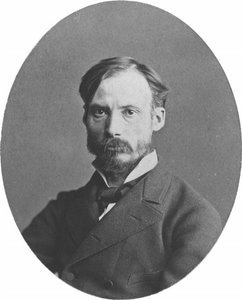
Pierre-Auguste Renoir
1841 - 1919 , France
Quick Facts
- Artistic Movement Or Style: Impressionism
- Artists Or Movements Influenced By This Artist: ['Impressionism']
- Artists Who Influenced This Artist:
- Gustave Courbet
- Édouard Manet
- Peter Paul Rubens
- Jean-Antoine Watteau
- Full Name: Pierre-Auguste Renoir
- Nationality: French
- Notable Artworks:
- Dance at Le Moulin de la Galette
- Luncheon of the Boating Party
- After the Bath
- Place Of Birth: Limoges, France
- Date Of Birth: 1841
- Date Of Death: 1919