Preview
 Send
Send Share
Share
 Details
 Guide
Guide

 Download
 Similars
 X-Ray
X-Ray Diaporama
 Stats
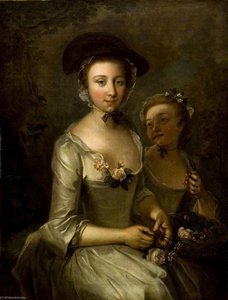
StatsMrs Shakespeare
 1739
1739 131.0 x 101.0 cm
 The Hepworth Wakefield
 Read More
Hand Made Oil Reproduction
Hand-painted oil on canvas in your size and frame, made to order by our artists. ( Switch to Print Switch to Digital Image)




































Pick from our preset sizes that match the artwork's original proportions.

Type the width and the height you need, to fit your frame or your wall. This is hand-painted, so for a size with a different shape the artist can paint a bit more around the picture, or cut a bit — you choose. We send you a digital mockup to approve before the painting starts. The picture shown on this page does not show the real result — only the mockup does.
After order, OriginalUniqueArt.com team will email client for instructions and provide a mockup preview
Worldwide Delivery () in 3/4 weeks instead of standard 5 weeks. (28 October). No compromise on quality.

Free Worldwide Express Shipping

High-Quality Linen Canvas

Full Shipping Insurance

Customs Tax Refund Guarantee

True Color Matching Guarantee

100-Day Return Policy (Defects Only)

100% Money-Back Guarantee

Bulk Discount Offer
 Glass option is only available in size under 110 CM

Mrs Shakespeare
Reproduction Medium
Reproduction Size
-


Total Price
$ 300
Artist Background
Philippe Mercier was a French painter known for his unique style, which blended French Rococo with English portraiture. His works often depicted scenes from everyday life, such as portraits of fashionable ladies and gentlemen or genre scenes set in domestic interiors. The Mrs Shakespeare painting is a quintessential example of Mercier's mastery in capturing the essence and beauty of his subjects.Painting Description
The portrait features a woman in a pink dress with white lace trim, sitting on a chair and holding a red umbrella. The background includes a piano, which adds an element of sophistication to the scene. The artist's use of light and shadow adds depth to the portrait, emphasizing the subject's serene expression as she gazes into the distance. Every brushstroke reveals Mercier's skill in capturing not only physical likeness but also inner emotions.- The painting is a beautiful representation of 18th-century fashion trends and societal norms.
- The use of oil on canvas creates a sense of warmth and texture, drawing the viewer into the scene.
- The Mrs Shakespeare portrait is a significant piece in the history of art, showcasing Mercier's contribution to the development of English portraiture.
The Mrs Shakespeare painting is a must-see for anyone interested in 18th-century art and history. Its beauty and significance make it a timeless piece that continues to captivate audiences today.
Questions & Answers
What color harmony does "Mrs Shakespeare" by Philippe Mercier display?
The color harmony of "Mrs Shakespeare" is recorded as discordant palette.
How can I get a print of "Mrs Shakespeare" by Philippe Mercier?
A print of "Mrs Shakespeare" by Philippe Mercier can be ordered directly on its Fine Art Print page: a fine art print on cotton canvas or archival canvas paper.
Can I use augmented reality to see "Mrs Shakespeare" by Philippe Mercier in my room?
The AR Preview page of "Mrs Shakespeare" by Philippe Mercier uses augmented reality to show the artwork in your own space, on a compatible device.
Artist Biography
A Brushstroke of Elegance: The Life and Art of Philippe Mercier
Philippe Mercier, a name perhaps less instantly recognizable than some of his Rococo contemporaries, nevertheless occupies a significant niche in the annals of 18th-century portraiture. Born in Berlin in 1689, Mercier’s artistic journey was one that spanned continents and courts, ultimately leaving an indelible mark on the visual culture of Britain. While details surrounding his early life remain somewhat elusive, it is known he received initial training within the French artistic milieu – a crucial foundation for the style he would later refine and popularize. His formative years were steeped in the prevailing aesthetic of grace, refinement, and aristocratic sensibility that characterized the Rococo movement. Mercier wasn’t merely a painter; he was a chronicler of an era, capturing not just likenesses but also the very spirit of a privileged society on the cusp of change.From Dresden to London: A Rising Star
Mercier's career began to flourish in Dresden, where he served as a court painter. However, it was his relocation to London around 1740 that truly cemented his reputation. He quickly established himself as a sought-after portraitist, attracting the attention of Frederick, Prince of Wales – heir apparent to the British throne. This patronage proved pivotal. Mercier became *the* official artist for the Prince and his family, a position he held with distinction for over a decade. The sheer volume of work commissioned by the royal household speaks volumes about the trust and admiration they placed in his abilities. He wasn’t simply documenting faces; he was constructing an image of princely virtue and domestic harmony, carefully curated for public consumption. This period saw Mercier at the height of his powers, producing some of his most iconic works that defined the aesthetic of the British aristocracy during the mid-18th century.The Charm of Domesticity: Defining a Rococo Style
Mercier’s artistic style is quintessentially Rococo – characterized by its lightness, elegance, and playful use of color. However, he infused this with a distinctly English sensibility. Unlike the often-opulent and overtly theatrical depictions found in French court painting, Mercier favored scenes that were more intimate and relatable. His portraits frequently depict family groups engaged in everyday activities: playing music, sharing a meal, or simply enjoying each other’s company. These weren't grand statements of power; they were carefully constructed narratives of familial affection and refined leisure. The emphasis on domesticity, coupled with his masterful use of pastel shades and delicate brushwork, created an aesthetic that resonated deeply with the British public. He possessed a remarkable ability to capture not just physical resemblance but also the personality and emotional nuances of his sitters. His works exude a warmth and charm that continues to captivate viewers today.Influences and Legacy: A Bridge Between Cultures
Mercier’s artistic influences were diverse, drawing from both French and English traditions. He clearly absorbed the techniques of artists like François Boucher and Jean-Antoine Watteau – masters of Rococo elegance. However, he also demonstrated a keen understanding of English portraiture conventions, particularly the work of Anthony van Dyck and Godfrey Kneller. This synthesis of styles allowed him to create a unique aesthetic that appealed to both aristocratic patrons and a wider audience. His influence extended beyond portraiture, impacting the broader decorative arts of the period. The lightheartedness and elegance of his paintings found echoes in furniture design, textiles, and even garden landscaping. While his popularity waned somewhat after the death of Frederick, Prince of Wales in 1751, Mercier’s legacy endures as a key figure in shaping the visual identity of 18th-century Britain. He left behind a rich body of work that continues to offer valuable insights into the lives and values of the aristocracy during this fascinating period.Major Achievements & Historical Significance
- Establishing himself as the premier portraitist of Frederick, Prince of Wales: This patronage provided Mercier with unparalleled access to the British royal family and allowed him to create a lasting visual record of their lives.
- Popularizing a distinctly English Rococo style: He adapted French artistic conventions to suit British tastes, emphasizing domesticity and intimacy in his portraits.
- Capturing the spirit of an era: His paintings offer valuable insights into the social customs, values, and aspirations of the 18th-century aristocracy.
- Influencing broader decorative arts trends: The elegance and lightheartedness of his work found echoes in furniture design, textiles, and garden landscaping.

Philippe Mercier
1689 - 1760
Quick Facts
- Full Name: Philippe Mercier
- Nationality: French
- Date Of Birth: 1689
- Date Of Death: 1760
- Notable Artworks:
- Frederick, Prince of Wales
- Family portraits
- Artistic Movement Or Style: Rococo
- Artists Or Movements Influenced By This Artist: ['18th-century English art']