
 Preview
 Send
Send Share
Share
 Details

 Download
 Similars
 X-Ray
X-Ray Diaporama
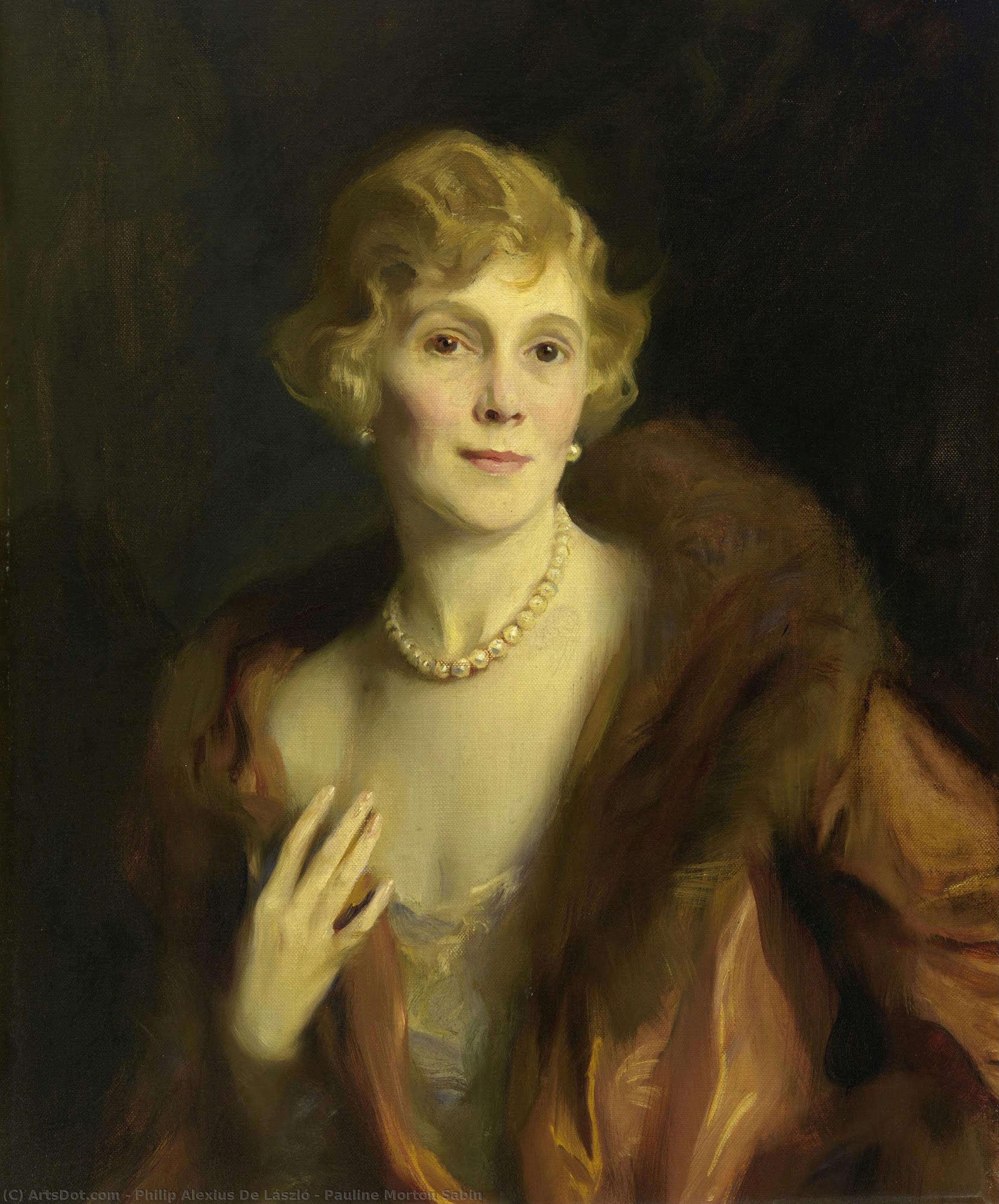
Pauline Morton Sabin
 Acrylic On Canvas
- WallArt
- Contemporary Realism
 1926
1926- 19th Century
 59.0 x 73.0 cm
 National Portrait Gallery
 Read More
Purchase a high-resolution, enhanced digital image, far superior to the online preview.
Each file is meticulously prepared by our in-house specialists using advanced tools and expert manual retouching. We ensure every image has exceptional clarity, precise color accuracy, and fine detail.
The final file is delivered via email within 72 hours, optimized for immediate use in professional, editorial, and print environments. This is the same quality trusted by top-tier design studios, publishers, and galleries.
Digital Image
Download a high-resolution file for personal display, printing, and creative projects. ( Buy Print Buy Hand Made Painting)
Included in Every Digital Image Order
Expert Digital Delivery, Guaranteed
When you choose OriginalUniqueArt.com, you're not just getting an image - you're receiving a professionally enhanced digital artwork, crafted with precision and backed by a satisfaction guarantee. Here's everything that comes with your order, automatically:

Fast Email Delivery
Your high-resolution digital image file will be emailed to you within 72 hours of ordering - ready for immediate use.

AI-Enhanced Digital File
Your artwork is professionally optimized using advanced AI tools and manual editing, ensuring maximum detail, clarity, and color accuracy.

Free Lifetime Re-Delivery
Accidentally deleted or lost your file? No worries - we'll resend it to you anytime, free of charge.

No Import Fees - Ever
Enjoy your artwork instantly with zero customs, duties, or delivery fees - digital downloads are always tax-free.

Color Accuracy Guarantee
We ensure your digital image reflects the original colors as closely as possible using professional tools and color management.

60-Day Satisfaction Guarantee
If you're not satisfied with your digital image, we'll revise it or refund 100% within 60 days - no questions asked.

100% Money-Back Guarantee
Not satisfied? Get a full refund within 60 days of receiving your digital file - no questions asked.

Bulk Order Discounts
Buy 3 images, save 10% - Buy 5, save 15% - Buy 10+, save 20%. Great for creative projects, galleries, and agencies.
Collectible Description
Pauline Morton Sabin – A Portrait of Elegance in the Jazz Age
Philip Alexius de László’s 1926 painting, “Pauline Morton Sabin,” is more than just a portrait; it's a meticulously crafted snapshot of a moment within the opulent social landscape of the early 20th century. The canvas, measuring 59 x 73 cm, immediately draws the eye to its subject – Pauline Morton Sabin – a woman radiating quiet confidence and understated glamour. De László’s masterful technique, honed through years of studying academic traditions alongside contemporary portraiture trends, results in an image brimming with realism and a palpable sense of atmosphere.
- Subject & Composition: The painting centers on Pauline Sabin, depicted in a pose that suggests both formality and relaxed engagement. Her blonde hair is elegantly styled, complemented by a delicate pearl necklace – a symbol of wealth and status prevalent during this era. The inclusion of the fur coat, a hallmark of fashionable attire at the time, further emphasizes her privileged position.
- The Supporting Figures: Intriguingly, Sabin isn't alone. Two other individuals are present in the scene, positioned on either side of her. Their interaction, whether observation or conversation, adds layers of narrative and invites speculation about the context of this portrait session. This compositional choice elevates the work beyond a simple likeness, hinting at social dynamics and relationships within the elite circles De László frequented.
De László’s Technique: Realism and Atmospheric Depth
De László was renowned for his ability to capture not just physical appearance but also the very essence of his subjects. His technique involved meticulous layering of thin glazes, building up color gradually to achieve a luminous effect – a signature characteristic of his work. This approach is particularly evident in the rendering of Pauline’s skin tones, which possess a remarkable softness and depth. The subtle gradations of light and shadow create an almost three-dimensional quality, drawing the viewer into the scene.
- Brushwork: His brushstrokes are generally smooth and controlled, contributing to the overall sense of realism. However, he skillfully employs variations in pressure and direction to suggest texture – the plushness of the fur coat, the sheen of the pearl necklace, and the delicate flow of her hair.
- Color Palette: The color palette is restrained yet sophisticated, dominated by warm tones—ochres, browns, and creams—that evoke a sense of luxury and refinement. These colors are expertly balanced to create harmony and visual interest.
Historical Context & Symbolism
Painted in 1926, “Pauline Morton Sabin” reflects the vibrant social scene of the Jazz Age. The period was marked by economic prosperity, technological advancements, and a burgeoning fascination with modernity. Portraits like this one were commissioned not just to commemorate individuals but also to solidify their place within the established order. The inclusion of the fur coat, a symbol of wealth and status, underscores the subject's belonging to an elite social class.
- Social Portraiture: De László’s portraits were often commissioned by wealthy families and prominent figures, serving as visual records of their lives and achievements.
- The Role of the Artist: The artist himself played a crucial role in shaping the subject's image, carefully considering pose, expression, and attire to create a portrait that was both flattering and representative of the individual’s character.
Emotional Impact & Artistic Legacy
"Pauline Morton Sabin" transcends a simple depiction of a woman; it is an evocative portrayal of elegance, confidence, and social grace. De László's ability to capture not just physical likeness but also the subtle nuances of personality ensures that this painting continues to resonate with viewers today. This piece exemplifies De László’s enduring legacy as one of the most celebrated portrait painters of his time, a testament to his technical skill, artistic vision, and profound understanding of human character.
Artist Biography
Philip Alexius de László: Life and Legacy
Early Life and Education
Philip Alexius de László, born Fülöp Laub on April 30, 1869, in Budapest, Hungary, rose from humble beginnings to become a celebrated portrait painter of European royalty and aristocracy. His parents, Adolf and Johanna Laub, were a tailor and seamstress respectively, of Jewish origin. He initially apprenticed as a photographer while pursuing his artistic studies. He gained admission to the National Academy of Art in Budapest, studying under Bertalan Székely and Károly Lotz. Further studies in Munich and Paris broadened his artistic horizons.
Artistic Development and Influences
De László’s early work demonstrated a keen eye for detail and a developing mastery of realism. His influences included the academic traditions he learned at the Academy, as well as the prevailing trends in portraiture during the late 19th and early 20th centuries. He quickly distinguished himself with his ability to capture not only physical likeness but also the personality and social standing of his sitters. A pivotal moment came in 1900 when his portrait of Pope Leo XIII earned him a Grand Gold Medal at the Paris International Exhibition, establishing his international reputation.
Career and Major Achievements
Following his success in Paris, de László moved to Vienna in 1903 and then settled in London in 1907, where he remained for the rest of his life. He became a highly sought-after portraitist among the European elite. His clientele included monarchs, nobles, industrialists, scientists, and prominent figures from various fields.
- Notable Sitters: Sir Alfred East, Winifred Cavendish-Bentinck (Duchess of Portland), Lady Louise Mountbatten (Queen of Sweden), Vita Sackville-West, Pope Leo XIII, Augusta Victoria (German Empress), Princess Alice of Battenberg, and many others.
- Honors & Recognition: Invested as a Member of the Royal Victorian Order (MVO) by Edward VII in 1909. Ennobled by King Franz Joseph I of Hungary in 1912, adopting the name “de László de Lombos.”
Personal Life and Challenges
In 1900, de László married Lucy Madeleine Guinness, a member of the prominent banking family. They had six children and seventeen grandchildren. He converted to Anglicanism upon his marriage after an earlier interest in Catholicism. Despite his British citizenship and established life in England, he faced internment during World War I (1917-1918) due to suspicions surrounding his Austrian connections, a period of significant hardship.
Artistic Style and Themes
De László’s style is characterized by its realism, meticulous detail, and vibrant color palette. He was adept at capturing the textures of fabrics, jewelry, and skin tones. His portraits often convey a sense of elegance, sophistication, and social status. While primarily known for portraiture, he also created landscapes and genre scenes.
Historical Significance and Legacy
Philip de László’s work provides valuable insights into the lives and appearances of European high society during the late 19th and early 20th centuries. His portraits serve as historical documents, capturing a specific era and its social dynamics. Although sometimes criticized for being primarily a society portraitist, his technical skill and ability to capture character are undeniable. His oeuvre comprises nearly 4,000 works, including drawings, and a catalogue raisonné is currently in progress. He died on November 22, 1937, in London, leaving behind a lasting legacy as one of the foremost portrait painters of his time.

philip alexius de lászló
1869 - 1937
Quick Facts
- Birth Date: 1869
- Birth Place: Budapest, Hungary
- Death Date: 1937
- Influenced By:
- Bertalan Székely
- Károly Lotz
- Movement: Realism, Portraiture
- Name: Philip Alexius de László
- Nationality: Hungarian, British
- Notable Works:
- Portrait of Pope Leo XIII
- Portraits of European royalty & aristocracy

