
 Preview
 Send
Send Share
Share
 Details
 Guide
Guide

 Download
 Similars
 X-Ray
X-Ray Diaporama
 Q&A
Q&A Stats
StatsApostle Thomas


 Read More
Get a print-ready file that goes far beyond the web preview. Every digital image we sell comes from a high-resolution master in our stock database — usually 5,000 to 15,000 pixels wide — so you can print large, crop tightly, or reproduce fine detail with confidence.
No file leaves our studio untouched. A digital expert checks the colors against the original painting and corrects them if needed, then improves clarity and detail with professional retouching tools — always staying faithful to the artist's brushwork and style. The result is an image that looks like the painting, not like a filtered scan.
You approve before you're done: our expert sends the image by e-mail within 72 hours for your review. Not satisfied? Ask for improvements or corrections, or request a refund if the quality falls short.
This is the quality relied on by publishers, design studios, galleries and print shops.
Digital Image
Download a high-resolution file for personal display, printing, and creative projects. ( Switch to Print Buy Hand Made Painting)
Included in Every Digital Image Order
Expert Digital Delivery, Guaranteed
When you choose OriginalUniqueArt.com, you're not just getting an image - you're receiving a professionally enhanced digital artwork, crafted with precision and backed by a satisfaction guarantee. Here's everything that comes with your order, automatically:

Fast Email Delivery
Your high-resolution digital image file will be emailed to you within 72 hours of ordering - ready for immediate use.

AI-Enhanced Digital File
Your artwork is professionally optimized using advanced AI tools and manual editing, ensuring maximum detail, clarity, and color accuracy.

Free Lifetime Re-Delivery
Accidentally deleted or lost your file? No worries - we'll resend it to you anytime, free of charge.

No Import Fees - Ever
Enjoy your artwork instantly with zero customs, duties, or delivery fees - digital downloads are always tax-free.

Color Accuracy Guarantee
We ensure your digital image reflects the original colors as closely as possible using professional tools and color management.

100-Day Satisfaction Guarantee
If you're not satisfied with your digital image, we'll revise it or refund 100% within 100 days - no questions asked.

100% Money-Back Guarantee
Not satisfied? Get a full refund within 100 days of receiving your digital file - no questions asked.

Bulk Order Discounts
Buy 3 images, save 10% - Buy 5, save 15% - Buy 10+, save 20%. Great for creative projects, galleries, and agencies.
A Study in Contemplation: Nicolaes Maes’s Apostle Thomas
- The Weight of Faith: Nicolaes Maes’s “Apostle Thomas” is more than a mere portrait; it's a carefully constructed meditation on faith, knowledge, and the quiet moments of introspection. Executed in 1656 during his formative years, this Baroque masterpiece reveals the burgeoning talent of a young artist deeply influenced by the master himself, Rembrandt van Rijn. The painting’s power resides not just in its subject – the Apostle Thomas, traditionally depicted as the doubter who demanded to feel Jesus' wounds – but in Maes’s ability to translate that theological tension into a palpable visual experience.
- Baroque Drama and Dutch Light: Born in Dordrecht in 1634, Nicolaes Maes inherited the hallmarks of the Dutch Golden Age: a profound understanding of light and shadow – *chiaroscuro* – and an unwavering commitment to realism. This particular work exemplifies this approach brilliantly. The dark, almost impenetrable background serves as a dramatic stage for Thomas’s figure, intensifying the impact of the carefully rendered details. Maes skillfully manipulates light to illuminate Thomas' face and hands, drawing the viewer’s eye to his contemplative expression and the objects he holds – a book and quill pen – symbols of learning and devotion.
Technical Mastery: A Rembrandt-Inspired Approach
- Detailed Rendering and Texture: Maes's meticulous attention to detail is immediately apparent. The fur lining of Thomas’s robe isn’t simply painted; it’s sculpted with a remarkable understanding of texture, conveying warmth and luxury. Similarly, the folds of the fabric, the quill pen, and the book itself are rendered with painstaking accuracy, demonstrating Maes's dedication to capturing the nuances of form and material. This level of detail was characteristic of artists working under Rembrandt’s influence, who prioritized a realistic portrayal over idealized beauty.
- Color Palette and Composition: The color palette is rich and warm, dominated by browns, reds, and golds – colors associated with wealth, piety, and the divine. The composition itself is carefully balanced, with Thomas positioned centrally within the frame, creating a sense of stability and authority. The use of negative space further enhances the painting’s impact, allowing the viewer's eye to rest and contemplate the scene.
Historical Context: Faith and Portraiture in the Dutch Golden Age
- The Rise of Religious Portraiture: The mid-17th century was a period of significant religious upheaval in Europe, and this is reflected in the subject matter of many Dutch portraits. Portraits were not merely representations of individuals; they were often statements of faith and social status. Thomas, as one of the apostles who doubted Jesus, offered an opportunity to explore themes of doubt, repentance, and ultimately, redemption – a potent message for a society grappling with religious questions.
- Rembrandt’s Influence: Maes's apprenticeship under Rembrandt was crucial to his development. The influence of Rembrandt’s dramatic use of light and shadow, his psychological insight into his subjects, and his masterful handling of color are all evident in “Apostle Thomas.” This painting stands as a testament to the enduring legacy of one of history’s greatest artists.
Provenance and Significance
- A Staatliche Museen Masterpiece: Currently housed at the Staatliche Museen in Kassel, Germany, “Apostle Thomas” represents a significant addition to the collection of Baroque masterpieces. Its presence within a public institution underscores its artistic merit and accessibility to art lovers worldwide.
- Collecting the Spirit of the Golden Age: This reproduction offers an unparalleled opportunity to own a piece of Dutch history, capturing not only the visual beauty of Maes’s work but also the intellectual and spiritual context in which it was created. It's a window into a pivotal era of artistic innovation and religious exploration – a timeless testament to the power of human contemplation.
Questions & Answers
What kind of piece is "Apostle Thomas"?
"Apostle Thomas" by Nicolaes Maes is classified as wall art. The category describes the kind of artwork the original is.
What are the reproduction rights of "Apostle Thomas" at the Staatliche Museen?
The original "Apostle Thomas" is at the Staatliche Museen, and the work is in the public domain - its copyright has expired.
What is the color identity of "Apostle Thomas" by Nicolaes Maes?
"Apostle Thomas" is defined by an earthy palette led by clay (#976f50).
Artist Biography
A Life Immersed in Dutch Light and Shadow
Nicolaes Maes, a name resonating softly within the pantheon of Dutch Golden Age masters, was born in Dordrecht in January 1634 into a world brimming with mercantile prosperity and artistic ferment. His father, Gerrit Maes, a successful cloth merchant and soap boiler, provided a comfortable upbringing, allowing young Nicolaes to pursue his burgeoning talent for painting. While early instruction came from a local artist of modest renown, the pivotal moment in Maes’s development arrived when he journeyed to Amsterdam around 1648 and entered the workshop of Rembrandt van Rijn. This apprenticeship proved transformative, imbuing him with an enduring appreciation for the dramatic interplay of light and shadow – *chiaroscuro* – and a masterful command of color that would define his early works. The influence was so profound that initial paintings, such as depictions of biblical scenes rendered with life-size figures and rich, glowing hues, were often mistakenly attributed to Rembrandt himself. These formative years laid the groundwork for a career marked by both technical brilliance and an intimate understanding of human emotion.From Rembrandt’s Shadow to Independent Vision
Returning to Dordrecht in 1654, Maes began to forge his own artistic path, gradually distancing himself from direct imitation of his former master. The subsequent decade witnessed a shift towards smaller-scale domestic genre scenes, yet retaining the vibrant colorism he had absorbed during his time with Rembrandt. He turned his keen eye toward the everyday lives of Dutch citizens, depicting women engaged in commonplace activities – spinning wool, reading scriptures, preparing meals – with remarkable detail and sensitivity. A particular fascination emerged with the intricate art of lacemaking, inspiring numerous variations on this theme, each a testament to Maes’s meticulous observation and skill. These paintings weren't merely depictions of daily life; they were windows into the domestic sphere, revealing the quiet dignity and subtle narratives woven into the fabric of 17th-century Dutch society. His work during this period demonstrates an ability to capture not just *what* people did, but *how* they felt while doing it.The Portraitist of Amsterdam
In 1673, Maes relocated to Amsterdam, a move that signaled both artistic ambition and astute adaptation to the evolving art market. The city, still reeling from war with England and France, presented a burgeoning demand for portraiture, and Maes swiftly established himself as one of its leading practitioners. He abandoned much of his earlier genre work, focusing instead on capturing the likenesses and personalities of Amsterdam’s prominent citizens. His portraits are characterized by a refined elegance and psychological insight, revealing not only physical resemblance but also hints of character and social standing. Works like “Portrait of Gerard Röver, Merchant and Shipowner in Amsterdam” exemplify this skill, presenting a dignified portrayal of wealth and civic pride. He became adept at conveying status through subtle details – the quality of fabrics, the cut of clothing, the confident posture of his sitters. This period marked a significant stylistic shift, moving away from the earlier warmth and intimacy towards a more polished and sophisticated aesthetic.Legacy and Enduring Appeal
Nicolaes Maes passed away in Amsterdam in December 1693, leaving behind a substantial body of work that continues to captivate audiences today. His paintings offer invaluable insights into the social customs, domestic interiors, and psychological complexities of the Dutch Golden Age. While his early works bear the unmistakable imprint of Rembrandt’s influence, Maes ultimately developed a distinctive style characterized by its meticulous detail, vibrant color palette, and sensitive portrayal of human character. His ability to elevate everyday scenes and individuals to artistic significance ensures his place among the most important painters of his era. Today, his paintings are held in prestigious collections worldwide, including the Rijksmuseum in Amsterdam, the National Gallery in London, and the National Gallery of Art in Washington D.C., readily accessible for study and appreciation through platforms like OriginalUniqueArt.com, ensuring that the legacy of this masterful Dutch artist endures for generations to come.Key Characteristics of His Work
- Rembrandtian Influence: Early works demonstrate a strong influence from Rembrandt van Rijn, particularly in the use of chiaroscuro and rich color palettes.
- Genre Scenes: Maes is renowned for his intimate depictions of everyday life, focusing on domestic interiors and activities like spinning, reading, and lacemaking.
- Portraiture Mastery: He became a leading portrait painter in Amsterdam, known for capturing the likeness and character of his sitters with precision and elegance.
- Detailed Observation: His paintings are characterized by meticulous attention to detail, particularly in rendering textures, fabrics, and facial expressions.
- Psychological Insight: Maes possessed a remarkable ability to convey the inner lives and emotions of his subjects through subtle gestures and expressions.
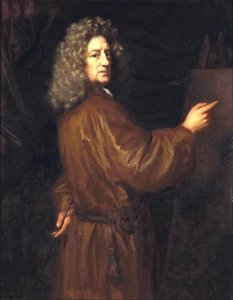
Nicolaes Maes
1634 - 1693 , Netherlands
Quick Facts
- Full Name: Nicolaes Maes
- Nationality: Dutch
- Date Of Birth: 1634
- Date Of Death: 1693
- Place Of Birth: Dordrecht, Netherlands
- Notable Artworks:
- The Reverie
- Card Players
- Catharina Pottey
- Gerard Röver
- Portrait of a Woman
- Artistic Movement Or Style: Baroque, Dutch Golden Age
- Artists Who Influenced This Artist: ['Rembrandt van Rijn']
- Artists Or Movements Influenced By This Artist: ['Dutch genre painters']