
 Send
Send Share
Share
 Details

 Download
 Similars
 Diaporama
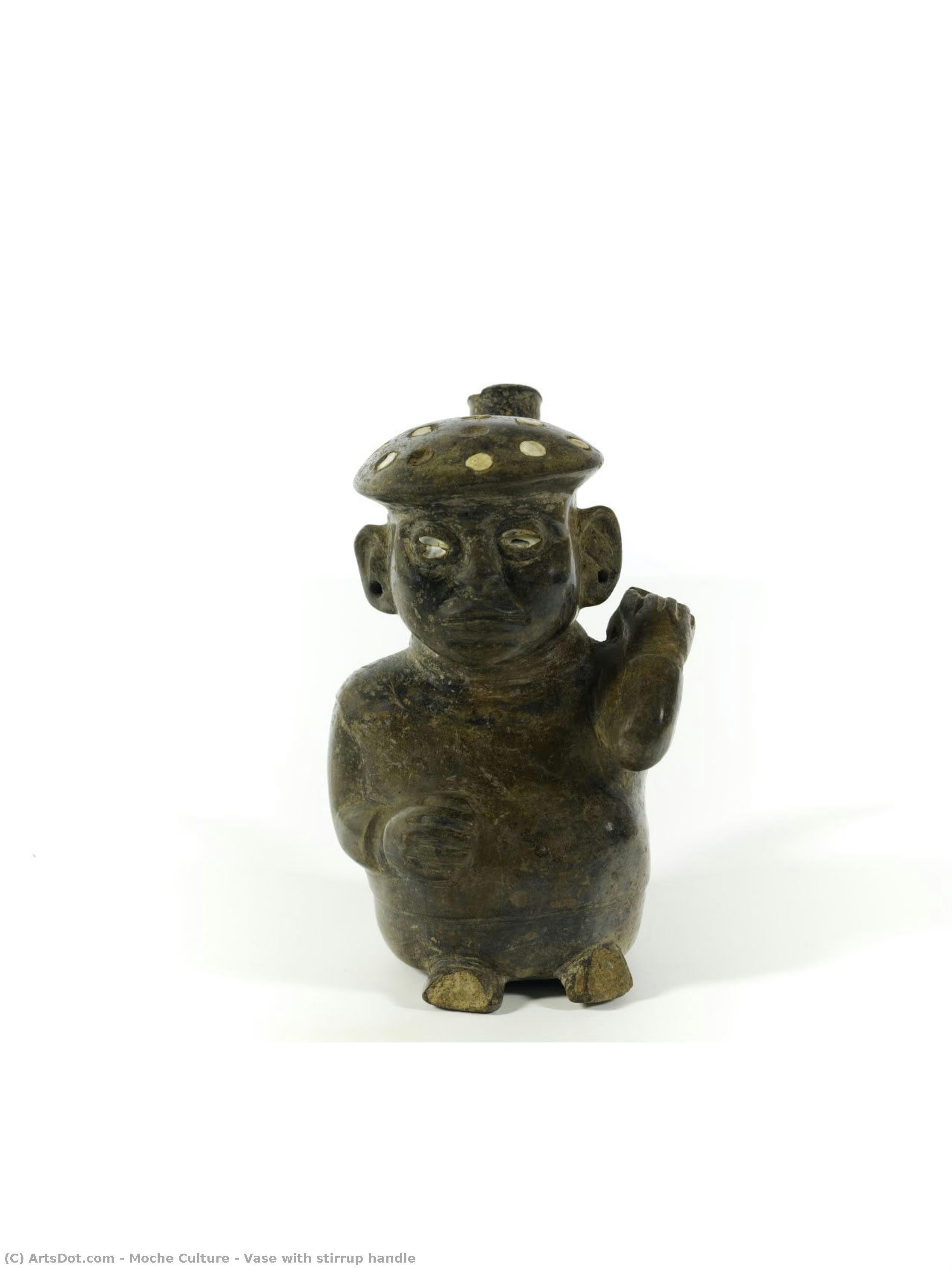
Vase with stirrup handle


 Read More
Hand Made Oil Reproduction
Hand-painted oil on canvas in your size and frame, made to order by our artists. ( Buy Print Buy Image)




































Pick from our preset sizes that match the artwork's original proportions.

You may enter your own dimensions to fit a specific frame or space. If your selected size does not match the original image's proportions, we will either crop the artwork or extend the painting with additional hand-painted elements. A digital mockup will be sent for your approval before production begins.
Please note that the on-screen preview does not reflect the actual cropping or extension. Only the mockup will accurately show the final composition.
While custom sizes are available, we recommend selecting a dimension from the predefined list to preserve the original proportions.
After order, OriginalUniqueArt.com team will email client for instructions and provide a mockup preview
Worldwide Delivery () in 3/4 weeks instead of standard 5 weeks. (19 August). No compromise on quality.

Free Worldwide Express Shipping

High-Quality Linen Canvas

Full Shipping Insurance

Customs Tax Refund Guarantee

True Color Matching Guarantee

60-Day Return Policy (Defects Only)

100% Money-Back Guarantee

Bulk Discount Offer
 Glass option is only available in size under 110 CM

Vase with stirrup handle
Reproduction Medium
Reproduction Size
-


Total Price
$ 300
Artist Biography
The Moche Culture: Masters of Ceramic Art and Ritual Imagery
The Moche culture, flourishing along Peru’s arid coast between 100 AD and 700 AD, stands as a testament to artistic innovation and complex social organization. Unlike many contemporaneous civilizations that consolidated into empires, the Moche comprised a constellation of independent polities united by shared traditions—primarily centered around their unparalleled mastery of ceramic art and their profound engagement with religious beliefs. Their legacy continues to fascinate archaeologists and artists alike, offering glimpses into a vibrant society grappling with questions of power, fertility, and the afterlife.- Origins and Geography: Situated in what is now Peru’s Lambayeque Region, the Moche thrived amidst challenging environmental conditions—primarily reliant on irrigation agriculture to cultivate crops like maize, quinoa, and beans. This dependence fostered a sophisticated understanding of botany and animal husbandry, which subtly informed their artistic representations.
- Ceramic Innovation: The Moche’s fame rests principally upon their ceramic production, particularly the stirrup-spout vessels—a revolutionary technique involving molds cast from bronze patterns. These vessels weren't merely utilitarian objects; they served as canvases for extraordinarily detailed figurative scenes depicting daily life, ritual processions, and mythological narratives. Artists meticulously rendered human figures, animals (especially birds), plants, and geometric motifs with astonishing precision.
- Iconography and Symbolism: Moche art is rife with symbolism reflecting their cosmology. Recurring motifs include serpents representing fertility and regeneration, stylized birds symbolizing divine messengers, and depictions of rulers engaged in ceremonial activities. These images convey not just visual information but also spiritual concepts—beliefs about creation myths, ancestor veneration, and the cyclical nature of existence.
- Monumental Architecture: Beyond ceramics, the Moche constructed impressive adobe pyramids and temples adorned with elaborate murals. Sites like Huaca Puclaro and Kuahuaynamarca showcase remarkable architectural skill and artistic ambition. The monumental scale of these structures underscores the importance of religion and social hierarchy in Moche society.
- Legacy and Influence: Although the Moche civilization collapsed abruptly around 700 AD, its artistic achievements endured, influencing subsequent cultures in Peru and beyond. The stirrup-spout technique continued to be practiced for centuries after the Moche’s decline, demonstrating the lasting impact of their innovations. Furthermore, Moche iconography—particularly depictions of birds and serpents—appears in Andean art traditions that persist today.
Notable Achievements: Stirrup Spout Vessels and Murals
The stirrup-spout vessel represents the zenith of Moche ceramic artistry. These vessels, ranging from diminutive figurines to colossal monuments, achieved unparalleled levels of realism and detail—a feat unmatched by contemporary cultures. Artists utilized a complex process involving bronze molds and meticulous glazing techniques to produce surfaces that captured subtle textures and colors with remarkable accuracy. The murals adorning Huaca Puclaro and Kuahuaynamarca are equally impressive, showcasing vibrant pigments derived from minerals like cinnabar and hematite. These murals depict scenes of ritual processions, royal ceremonies, and mythological narratives—providing invaluable insights into Moche beliefs and artistic conventions.Religious Beliefs and Ritual Practices
Moche religion centered on a pantheon of deities associated with fertility, agriculture, and celestial phenomena. Serpents played a prominent role in Moche iconography, symbolizing regeneration and embodying divine power. Birds—particularly hummingbirds and raptors—were venerated as messengers of the gods and depicted frequently in art. Ritual practices included offerings to appease deities and elaborate ceremonies commemorating important events—such as births, deaths, and agricultural harvests. Evidence suggests that child sacrifice was practiced during religious rituals—a controversial aspect of Moche culture that continues to provoke scholarly debate.Influence on Andean Art Traditions
The artistic innovations of the Moche culture reverberated throughout Andean art traditions for centuries after their decline. The stirrup-spout technique persisted as a dominant ceramic form, demonstrating the enduring legacy of Moche craftsmanship. Moreover, Moche iconography—particularly depictions of birds and serpents—appeared in textiles, sculptures, and murals produced by subsequent cultures—such as the Nazca and Chimú civilizations. These artistic borrowings underscore the interconnectedness of Andean art history and testify to the lasting influence of the Moche masters.
moche culture
Peru
Quick Facts
- Artistic Movement Or Style: Ceramic Art
- Full Name: Moche Culture
- Nationality: Peruvian
- Notable Artworks:
- Stirrup-spout bottle
- Vase with stirrup handle
- Place Of Birth: Peru
Related Articles

The Alchemy of Clay: A Collector's Guide to the Mastery, Texture, and Timeless Form of Ceramic Art
Discover the profound beauty of ceramic art. Our expert guide explores the alchemy of clay, texture, and glaze, offering collectors deep insights into mastering earth and fire to create timeless, sculptural masterpieces for any curated collection.
The Art of Ceramics: A Guide to Mastery, Texture, and Timeless Form for the Discerning Collector
Explore the profound elegance of ceramic art. From master glazes to sculptural forms, our expert guide offers discerning collectors deep insights into the mastery, texture, and timeless value of fine ceramics for sophisticated collections and luxury interiors.

Preserving Your Masterpieces: The Ultimate Guide to Cleaning and Handling Fine Art
Master the art of stewardship with our expert guide to fine art preservation. Learn professional techniques for cleaning, handling, and protecting your oil paintings from light, humidity, and decay to ensure your masterpieces endure for generations.
Timeless Vessels: Exploring the Artistry and Symbolism of Vases in Masterpiece Still Life Paintings
Discover the profound artistry and symbolism of vases in masterpiece still life paintings. Explore historical insights from the Baroque and Dutch Golden Age eras, and bring these timeless treasures into your home with our museum-grade, hand-painted oil reproductions.

Art Preservation Guide: Professional Cleaning and Handling for Collectors
Master the art of collection longevity with our professional guide to fine art preservation. Learn expert protocols for handling, environmental control, and professional cleaning to protect your investment and ensure the enduring brilliance of your masterpieces.



