
 Preview
 Send
Send Share
Share
 Details

 Download
 Similars
 X-Ray
X-Ray Diaporama
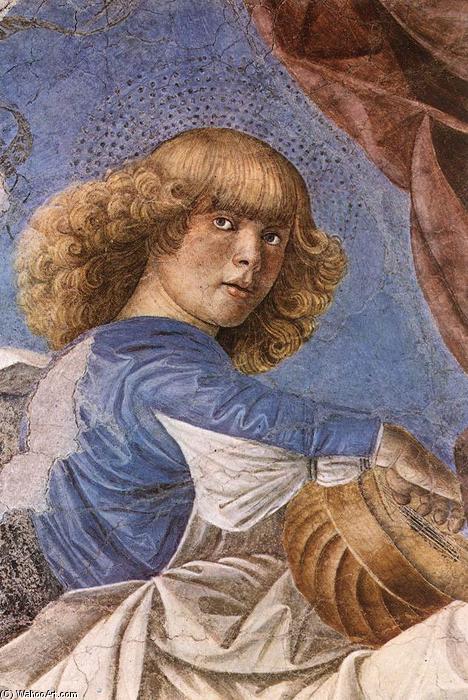
Music-making Angel


 Read More
Purchase a high-resolution, enhanced digital image, far superior to the online preview.
Each file is meticulously prepared by our in-house specialists using advanced tools and expert manual retouching. We ensure every image has exceptional clarity, precise color accuracy, and fine detail.
The final file is delivered via email within 72 hours, optimized for immediate use in professional, editorial, and print environments. This is the same quality trusted by top-tier design studios, publishers, and galleries.
Digital Image
Download a high-resolution file for personal display, printing, and creative projects. ( Buy Print Buy Hand Made Painting)
Included in Every Digital Image Order
Expert Digital Delivery, Guaranteed
When you choose OriginalUniqueArt.com, you're not just getting an image - you're receiving a professionally enhanced digital artwork, crafted with precision and backed by a satisfaction guarantee. Here's everything that comes with your order, automatically:

Fast Email Delivery
Your high-resolution digital image file will be emailed to you within 72 hours of ordering - ready for immediate use.

AI-Enhanced Digital File
Your artwork is professionally optimized using advanced AI tools and manual editing, ensuring maximum detail, clarity, and color accuracy.

Free Lifetime Re-Delivery
Accidentally deleted or lost your file? No worries - we'll resend it to you anytime, free of charge.

No Import Fees - Ever
Enjoy your artwork instantly with zero customs, duties, or delivery fees - digital downloads are always tax-free.

Color Accuracy Guarantee
We ensure your digital image reflects the original colors as closely as possible using professional tools and color management.

60-Day Satisfaction Guarantee
If you're not satisfied with your digital image, we'll revise it or refund 100% within 60 days - no questions asked.

100% Money-Back Guarantee
Not satisfied? Get a full refund within 60 days of receiving your digital file - no questions asked.

Bulk Order Discounts
Buy 3 images, save 10% - Buy 5, save 15% - Buy 10+, save 20%. Great for creative projects, galleries, and agencies.
Collectible Description
Melozzo da Forlì: An Angel Playing the Lute – A Renaissance Vision of Divine Inspiration
The fresco painting “Music-making Angel,” attributed to Melozzo da Forlì, stands as a testament to the burgeoning artistic fervor of Florence during the High Renaissance. Executed around 1480, it resides within the Santi Apostoli basilica in Rome—a commission bestowed upon Giuliano della Rovere, later Pope Julius II—and embodies the revolutionary advancements in perspective and fresco technique championed by masters like Andrea Mantegna and Raphael. This remarkable artwork offers a glimpse into the intellectual and spiritual landscape of its time, revealing profound insights into humanist ideals and artistic innovation.- Subject Matter & Composition: At first glance, the painting depicts an angelic figure serenely engaged in playing a lute—a meticulously rendered instrument reflecting Renaissance musical sophistication. The angel’s central position within the fresco’s oval frame immediately establishes dominance, drawing the viewer's gaze to its serene countenance and graceful posture. Surrounding it is a rich tapestry of color—deep blues and reds—creating an immersive experience that echoes the grandeur of papal patronage.
- Style & Technique: Melozzo da Forlì’s masterful application of fresco technique—directly onto wet plaster—demonstrates unparalleled control over pigment dispersion and tonal gradation. The artist skillfully employs sfumato, a subtle blending of colors to soften contours and create an ethereal luminescence characteristic of Renaissance painting. This technique lends itself beautifully to capturing the delicate beauty of human features and conveying a sense of spiritual tranquility.
- Historical Context: Commissioned during Julius II’s ambitious program to revitalize Rome’s artistic heritage, “Music-making Angel” reflects the humanist preoccupation with classical ideals—particularly those expressed in Greek sculpture—and underscores the transformative influence of linear perspective. The fresco's placement within the basilica signifies its role as a devotional artwork intended to inspire contemplation and reverence.
- Symbolism & Iconography: The lute itself symbolizes musical harmony and divine inspiration, aligning with Christian theology’s emphasis on music as a conduit for spiritual communion. The angel’s serene expression embodies purity and grace—qualities revered throughout the Renaissance period—further enriching the painting's symbolic significance.
- Emotional Impact: Viewing “Music-making Angel” evokes feelings of serenity, contemplation, and wonder—mirroring the profound emotional resonance achieved by Renaissance artists. The luminous colors and masterful execution convey a sense of ethereal beauty that transcends time, captivating audiences with its timeless appeal.
Detailed Examination of Artistic Execution
The fresco’s meticulous detail extends beyond mere representation; it embodies an unwavering commitment to capturing the essence of human form and natural light. Melozzo da Forlì's painstaking layering of pigments—often achieved through multiple glazes—creates a palpable depth and dimensionality that distinguishes it from earlier artistic traditions. Furthermore, the artist’s masterful manipulation of tonal gradation—moving seamlessly between highlights and shadows—enhances the painting’s dramatic impact and imbues it with an aura of spiritual solemnity.A Legacy of Renaissance Vision
“Music-making Angel” stands as a cornerstone of Renaissance artistic achievement, influencing subsequent generations of painters and cementing Melozzo da Forlì's reputation as a visionary innovator. Its enduring beauty continues to inspire artists and collectors alike—serving as a poignant reminder of the transformative power of art to elevate the human spirit and illuminate the sublime mysteries of faith.Artist Biography
The Enigmatic Visionary of Forlì: Melozzo da Forlì and the Dawn of Renaissance Perspective
Melozzo da Forlì, born around 1438 in the vibrant Italian city of Forlì, remains a somewhat elusive figure within the pantheon of Renaissance masters. Though his life spanned only fifty-six years, ending in November 1494, his impact on the development of perspective and fresco technique was profound, influencing generations of artists including Raphael and Andrea Mantegna. Details surrounding his early life are scarce; it is believed he hailed from a prosperous family named Ambrosi, and likely received his initial artistic training within the Forlivese school, absorbing the stylistic currents shaped by figures like Ansuino da Forlì—himself touched by the powerful influence of Andrea Mantegna. Some accounts even suggest humble beginnings as a journeyman and color-grinder, honing his craft through practical experience before ascending to prominence. Documented appearances in Forlì in 1460 and 1464 mark the earliest traces of his artistic activity, hinting at a gradual emergence onto the burgeoning Renaissance scene.Rome, Urbino, and the Mastery of Illusion
Around 1472-1474, Melozzo’s career took him to Rome, where he collaborated with Antoniazzo Romano on the frescoes within the Bessarione Chapel in the Basilica dei Santi Apostoli. This commission proved pivotal, exposing him to the artistic ferment of the papal city and solidifying his reputation. However, it was a sojourn to Urbino, likely between 1465 and 1474, that truly ignited his artistic evolution. There, under the patronage of Duke Federico da Montefeltro—a renowned humanist and art collector—Melozzo encountered the groundbreaking work of Piero della Francesca. The meticulous perspective, serene compositions, and luminous color palettes of Piero left an indelible mark on Melozzo’s style. He also immersed himself in architectural studies alongside Bramante, and observed the techniques employed by Flemish painters working for the Duke, broadening his artistic horizons. This period saw a blossoming of his talent, culminating in key Roman works such as *Sixtus IV Appointing Platina as Librarian* (c. 1477), now housed in the Pinacoteca Vaticana, and designs for the Palazzo Altemps, commissioned by Girolamo Riario. His participation in the newly founded Academy of St Luke in 1478 further cemented his position within Rome’s artistic elite. It was during this time that Melozzo began to demonstrate a remarkable mastery of *foreshortening*, a technique that would become his signature, most notably showcased in the now fragmented Ascension of Christ fresco at the Basilica dei Santi Apostoli—a work that captivated contemporaries and profoundly influenced subsequent generations.Loreto, Influence, and Late Roman Commissions
Following the death of Sixtus IV in 1484, Melozzo relocated to Loreto, where he undertook a commission for the cupola of the sacristy of San Marco within the Basilica della Santa Casa. This work is arguably his most celebrated achievement—a breathtaking display of illusionistic perspective and architectural detail that significantly impacted artists like Pietro da Cortona and even Andrea Mantegna’s famed *Camera degli Sposi* in Mantua. The dynamic composition, with its soaring figures and convincing spatial depth, demonstrated a level of technical skill rarely seen at the time. In 1489, Melozzo returned to Rome, engaged in creating cartoons for mosaics within the Chapel of St Helena. His artistic versatility extended beyond religious subjects; his only known secular work, the “Pestapepe” fresco in Forlì—depicting a grocer—reveals a keen eye for realism and characterization. During his final years, he returned to Forlì, collaborating with Marco Palmezzano on the decoration of the Feo Chapel before his untimely death in November 1494.A Legacy Defined by Perspective and Innovation
Melozzo da Forlì’s artistic significance lies primarily in his pioneering use of perspective, particularly foreshortening, which imbued his frescoes with an unprecedented sense of depth and realism. He wasn't merely replicating reality; he was constructing it anew on the wall, drawing the viewer into the scene with masterful illusionism. His influence extended to some of the most celebrated artists of the High Renaissance—Raphael and Donato Bramante both studied his work intently, absorbing his techniques and incorporating them into their own masterpieces. The stylistic connections between Melozzo and Andrea Mantegna are also undeniable, reflecting a shared artistic lineage within the Italian Renaissance. Furthermore, as a mentor to Marco Palmezzano, he ensured that his innovative style continued to flourish after his death. Melozzo’s contributions to fresco painting were not simply technical; they were transformative, pushing the boundaries of what was possible and paving the way for the artistic achievements of the coming centuries. He remains a testament to the power of observation, innovation, and the enduring legacy of Renaissance artistry—a visionary whose work continues to captivate and inspire.
Melozzo da Forlì
1438 - 1494 , Italy
Quick Facts
- Artistic Movement Or Style: Early Renaissance
- Artists Or Movements Influenced By This Artist:
- Raphael
- Marco Palmezzano
- Andrea Mantegna
- Artists Who Influenced This Artist:
- Andrea Mantegna
- Piero della Francesca
- Date Of Birth: c. 1438
- Date Of Death: 1494
- Full Name: Melozzo da Forlì
- Nationality: Italian
- Notable Artworks:
- Sixtus IV Appointing Platina
- View of the Sacristy of St Mark
- Pestapepe
- Place Of Birth: Forlì, Italy

