Preview
 Send
Send Share
Share
 Details
 Guide
Guide

 Download
 Similars
 X-Ray
X-Ray Diaporama
 Stats
StatsParrot Avenue
 Oil On Canvas
- WallArt
- Impressionism
 1902
1902- 19th Century
 88.0 x 72.0 cm
 Read More
Giclée / Art Print
Museum-quality giclée or canvas print with fast production and flexible finish options. ( Buy Hand Made Painting Switch to Digital Image)




P118B $10

P118H $10

P118W $10

P438Z $10

P508JH $12

P508YH $12

P805H $10

P805Z $10

P919BZ $10

P919G $10

P919XJ $10

P959ZH $10

P968JZ $12

W106C $8

W218G $10

W218JH $8

W218Y $10

W307PJ $10

W316G $10

W316PJ $8

W316Y $10

W398PJ $8

W4111J $10

W500HY $15

W500JH $15

W692G $12

W849H $8

W940BG $15

W953PJ $8




Pick from our preset sizes that match the artwork's original proportions.

Type the width and the height you need, to fit your frame or your wall. A print can only be cut, never made bigger than the picture, so a size with a different shape loses a part of the image. We send you a digital mockup to approve before we print anything. The picture shown on this page does not show the real cut — only the mockup does.
Worldwide Delivery () in 2 weeks instead of standard 4/5 weeks. (24 October)

Free Worldwide Express Shipping

High-Quality Linen Canvas

Full Shipping Insurance

Customs Tax Refund Guarantee

True Color Matching Guarantee

100-Day Return Policy (Defects Only)

100% Money-Back Guarantee

Bulk Discount Offer
 Glass option is only available in size under 110 CM

Parrot Avenue
Giclée / Art Print
Reproduction Size
-


Total Price
$ 81
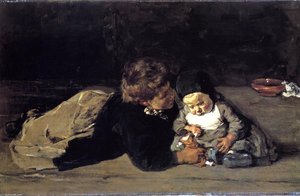
Parrot Avenue: A Glimpse of Urban Leisure
Max Liebermann's "Parrot Avenue," painted in 1902, is a captivating example of Impressionism that transports viewers to a vibrant scene of urban life. Measuring 88 x 72 cm, this oil on canvas painting depicts a bustling street filled with people enjoying a leisurely afternoon. The artwork’s title refers to the presence of exotic birds – macaws and cockatoos – housed in cages along the avenue, adding an element of spectacle and charm to the everyday scene.
Artistic Style and Influences
"Parrot Avenue" exemplifies Liebermann's mastery of Impressionism. The painting is characterized by loose brushstrokes, a focus on capturing fleeting moments of light and atmosphere, and a vibrant color palette. Liebermann was heavily influenced by Édouard Manet’s spirit and approach to painting, evident in his ability to depict modern life with immediacy and energy. The style shares similarities with other prominent artists like Henri Matisse, showcasing a shared interest in exploring the effects of light and color on perception. Julian Alden Weir's "Summer Afternoon, Shinnecock Landscape" also demonstrates comparable techniques in capturing outdoor scenes and conveying a sense of tranquility.
Subject Matter and Composition
The painting’s composition centers around a long, winding path that draws the viewer into the heart of the scene. People stroll along the avenue, some carrying umbrellas, while others relax on a bench to the right. The presence of the exotic birds in their cages creates a focal point, adding an element of visual interest and suggesting a sense of urban spectacle. Liebermann skillfully uses light and shadow to create depth and atmosphere, with dappled sunlight filtering through the trees, illuminating certain areas while leaving others in soft shade. This technique enhances the painting's overall vibrancy and captures the feeling of a warm summer day.
Historical Context and Symbolism
Created during a period of rapid urbanization and social change in Germany, "Parrot Avenue" reflects the burgeoning leisure culture of the time. The painting depicts a scene of everyday life—people enjoying a stroll through a public park—and captures the spirit of modernity. The exotic birds symbolize both the allure of foreign cultures and the growing accessibility of luxury goods to the middle class. Liebermann’s choice of subject matter, focusing on ordinary people engaged in commonplace activities, aligns with the Impressionist movement's broader aim of portraying modern life as it was lived.
Legacy and Artistic Significance
"Parrot Avenue" stands as a testament to Max Liebermann's skill as an artist and his contribution to the development of Impressionism in Germany. The painting’s vibrant colors, loose brushstrokes, and evocative atmosphere continue to resonate with viewers today. It can be found within collections such as that of the Von Der Heydt Museum in Germany, alongside other significant works by Liebermann and fellow artists like Lovis Corinth. Handmade oil painting reproductions of "Parrot Avenue" are available on OriginalUniqueArt.com, offering art lovers a chance to own a piece of this iconic Impressionist masterpiece.
Questions & Answers
What is a reproduction of "Parrot Avenue" by Max Liebermann recommended for?
The suggested use for "Parrot Avenue" by Max Liebermann is accent. It can serve other purposes as well.
What are the medium and date of "Parrot Avenue" by Max Liebermann?
"Parrot Avenue" was created in 1902 using the oil on canvas technique. Material and date describe how and when the original was made.
Why is the copyright status of "Parrot Avenue" what it is?
"Parrot Avenue" by Max Liebermann is in the public domain - its copyright has expired. Copyright terms are measured from the artist's death, and Max Liebermann died in 1935.
Artist Biography
A Life Immersed in Light: The World of Max Liebermann
Born into a prosperous Jewish family in 1847 Berlin, Max Liebermann’s path to becoming one of Germany's foremost Impressionist painters wasn’t preordained. Initially steered towards the respectable professions of law and philosophy at the University of Berlin, his true calling resonated far more powerfully from the canvas than the courtroom. This early period of intellectual exploration, however, undoubtedly shaped his observant eye and thoughtful approach to depicting the world around him. It was a deliberate shift – studies in Weimar, Paris, and the Netherlands – that truly ignited his artistic passion, exposing him to diverse styles and laying the foundation for a career defined by capturing fleeting moments with an exquisite sensitivity to light and color. He wasn’t merely painting what he saw; he was translating the very essence of experience onto the canvas. Liebermann's early works often depicted scenes of everyday life, particularly those of the working class, rendered with a naturalism that challenged the prevailing romanticized aesthetic of the time. These paintings weren’t intended as social commentary, but rather as honest portrayals of human existence, imbued with dignity and respect.Embracing Impressionism in a German Context
Liebermann's artistic development was profoundly influenced by his exposure to French Realism and, crucially, the burgeoning Impressionist movement. The spirit of Édouard Manet – his boldness, his rejection of academic convention, his focus on contemporary life – resonated deeply with Liebermann. However, he didn’t simply replicate what he saw in Paris; instead, he adapted these principles to a German sensibility, creating an Impressionism uniquely his own. His palette became brighter, his brushstrokes looser and more spontaneous, and his subjects shifted towards scenes of bourgeois leisure and the tranquil beauty of his garden near Lake Wannsee. This garden, in particular, became a recurring motif throughout his career, offering a sanctuary from the rapidly changing world outside and providing endless inspiration for his explorations of light and atmosphere. He wasn’t just painting flowers and foliage; he was capturing the very feeling of summer, the warmth of the sun, the gentle breeze rustling through the leaves. Beyond landscapes, Liebermann established himself as a highly sought-after portraitist, completing over 200 commissioned works, including iconic depictions of figures like Albert Einstein and Paul von Hindenburg. These portraits weren’t merely likenesses; they were insightful studies of character, revealing the inner lives of his subjects through subtle gestures and expressions.A Champion of Artistic Freedom
Liebermann wasn't content to simply paint; he actively championed artistic innovation and independence. Recognizing the stifling constraints imposed by the traditional art establishment, he became a driving force behind the Berlin Secession in 1898, leading this avant-garde group for over a decade. The Secession challenged conventional norms, providing a platform for artists working outside the confines of academic tradition. This commitment to artistic freedom extended beyond his own work; Liebermann believed passionately that artists should be free to explore their vision without interference from political or ideological pressures. His election to the Prussian Academy of Arts in 1909 and subsequent presidency in 1920 were testaments to his growing influence within the German art world, but these positions also brought him face-to-face with the rising tide of anti-Semitism and nationalism that would ultimately threaten his life’s work.Shadows of a Changing World: Legacy and Resilience
The rise of Nazism cast a dark shadow over Liebermann's later years. His principled stance against discrimination led to his resignation from the Prussian Academy in 1933, a courageous act that signaled his refusal to compromise his values. Despite facing increasing persecution, he continued to paint, finding solace and purpose in his art. He passed away in Berlin in 1935, leaving behind a rich legacy of paintings, prints, and a profound commitment to artistic freedom. His wife, Martha, tragically took her own life in 1943 to avoid deportation, a heartbreaking testament to the horrors of the Holocaust. For years after the war, Liebermann’s work was somewhat overlooked, but in recent decades there has been a renewed appreciation for his contributions to German Impressionism and modern art history. Today, he is remembered not only as a brilliant painter but also as a courageous advocate for artistic expression and a symbol of resistance against tyranny. His paintings continue to captivate viewers with their luminous beauty, insightful observations, and enduring humanity.Key Achievements & Lasting Influence
- "The Twelve-Year-Old Jesus in the Temple": This early work sparked considerable debate due to its unconventional depiction of a Semitic-looking Jesus, challenging traditional religious iconography.
- Leadership of the Berlin Secession: His pivotal role in leading this avant-garde movement challenged artistic norms and paved the way for modern art in Germany.
- Presidency of the Prussian Academy of Arts: A significant recognition of his artistic merit, though ultimately compromised by the rise of Nazism.
- Masterful Portraiture: His ability to capture the essence of his subjects in over 200 commissioned portraits cemented his reputation as a leading portrait painter.
- Influence on German Impressionism: Liebermann successfully translated the principles of Impressionism into a uniquely German context, inspiring generations of artists.

Max Liebermann
1847 - 1935 , Germany
Quick Facts
- Full Name: Max Liebermann
- Nationality: German
- Date Of Birth: 1847
- Date Of Death: 1935
- Place Of Birth: Berlin, Germany
- Notable Artworks:
- The 12-Year-Old Jesus...
- Dutch Farmhouse with Woman
- Portrait of Dr. Max Linde
- Artistic Movement Or Style: Impressionism
- Artists Who Influenced This Artist: ['Édouard Manet']
- Artists Or Movements Influenced By This Artist: ['German Impressionism']
Related Articles
Concrete Narratives: Exploring Urban Life in Modern & Contemporary Art
Explore the evolution of cityscape painting with OriginalUniqueArt. Discover key artists from Realism to contemporary movements & invest in timeless urban visions. Expert guidance, museum-quality reproductions.
Max Ernst's Masterpieces: 25 Surreal Visions for Art Lovers & Home Decor
Journey into the surreal world of Max Ernst! Explore 25 iconic paintings, from Dada to abstract expressionism. Discover the stories behind his masterpieces & find museum-quality art reproductions for your home decor at OriginalUniqueArt.com.
Urban Visions: A Historical & Artistic Exploration of the Cityscape in Painting
Explore the evolution of cityscape painting from historical maps to Impressionist masterpieces. Discover artists like Caillebotte & Utrillo. Find museum-quality reproductions at OriginalUniqueArt.
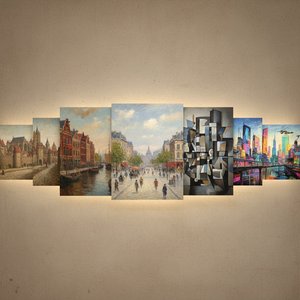
Urban Visions: A Historical & Artistic Exploration of the Cityscape in Painting
Explore the evolution of cityscape painting from historical maps to Impressionist masterpieces. Discover artists like Caillebotte, Utrillo & Matsumoto Shunsuke. Find museum-quality reproductions at OriginalUniqueArt.

Concrete Visions: Exploring the Urban Landscape in Painting – From Realism to Contemporary Art
Explore the evolution of cityscape painting from Realism to contemporary art with OriginalUniqueArt. Discover key artists & invest in timeless urban visions. Expert guidance, museum-quality reproductions.