
 Preview
 Send
Send Share
Share
 Details
 Guide
Guide

 Download
 Similars
 X-Ray
X-Ray Diaporama
 Q&A
Q&A Stats
StatsThe Resurrection


 Read More
Giclée / Art Print
Museum-quality giclée or canvas print with fast production and flexible finish options. ( Buy Hand Made Painting Switch to Digital Image)




P118B $10

P118H $10

P118W $10

P438Z $10

P508JH $12

P508YH $12

P805H $10

P805Z $10

P919BZ $10

P919G $10

P919XJ $10

P959ZH $10

P968JZ $12

W106C $8

W218G $10

W218JH $8

W218Y $10

W307PJ $10

W316G $10

W316PJ $8

W316Y $10

W398PJ $8

W4111J $10

W500HY $15

W500JH $15

W692G $12

W849H $8

W940BG $15

W953PJ $8




Pick from our preset sizes that match the artwork's original proportions.

Type the width and the height you need, to fit your frame or your wall. A print can only be cut, never made bigger than the picture, so a size with a different shape loses a part of the image. We send you a digital mockup to approve before we print anything. The picture shown on this page does not show the real cut — only the mockup does.
Worldwide Delivery () in 2 weeks instead of standard 4/5 weeks. (4 November)

Free Worldwide Express Shipping

High-Quality Linen Canvas

Full Shipping Insurance

Customs Tax Refund Guarantee

True Color Matching Guarantee

100-Day Return Policy (Defects Only)

100% Money-Back Guarantee

Bulk Discount Offer
 Glass option is only available in size under 110 CM

The Resurrection
Giclée / Art Print
Reproduction Size
-


Total Price
$ 81
A Vision of Ascent: Matthias Grünewald’s “The Resurrection”
Matthias Grünewald's "The Resurrection," painted around 1515, isn’t merely a depiction of a biblical event; it’s a visceral experience. This monumental panel, now housed in the Unterlinden Museum in Colmar, France, transcends simple narrative to become a profound meditation on faith, sacrifice, and the triumph over darkness. It's a work that immediately commands attention, not through polished realism, but through an intensely emotional and dramatically charged atmosphere – a hallmark of Grünewald’s unique Northern Renaissance style.
The painting unfolds as a carefully orchestrated drama. At its heart stands Christ, not in serene repose, but powerfully ascending into the heavens. His body, ravaged by the wounds of the crucifixion, is rendered with an almost agonizing detail – the flayed skin, the exposed nails, the blue-tinged lips conveying both suffering and divine presence. This isn’t idealized beauty; it's a raw, unflinching portrayal of human agony transformed into spiritual victory. Below him lies a chaotic tableau of fallen Roman soldiers, their armor scattered, weapons abandoned, symbolizing the defeat of earthly power by the resurrected Christ.
The Language of Light and Shadow: Technique and Style
Grünewald’s mastery lies in his manipulation of light and shadow – a technique known as *chiaroscuro*. The scene is dominated by deep, almost impenetrable blacks that contrast sharply with the radiant glow emanating from Christ himself. This dramatic lighting isn't just aesthetic; it serves to elevate Christ to a divine level, casting him as the source of all illumination and hope. The artist employs impasto – thick layers of paint applied directly to the panel – creating a tactile surface that adds depth and physicality to the figures and architectural elements. The brushstrokes are visible, lending a sense of immediacy and energy to the composition.
Notice also the deliberate flattening of perspective. Grünewald prioritizes emotional impact over strict realism, drawing the viewer’s eye upwards towards Christ's ascent through strong diagonals and a tightly structured composition. This compositional choice reinforces the painting’s central theme: the movement from earthly suffering to heavenly glory.
Symbolism and Context: A Hospital Altarpiece
“The Resurrection” wasn’t created for a grand cathedral, but for the hospital of St. Anthony in Issenheim, a monastery dedicated to caring for plague victims. The monks there were particularly skilled at treating ergotism, a debilitating disease characterized by gangrene and convulsions. The imagery within the painting – Christ's wounds mirroring the symptoms of the afflicted – was intended to offer comfort and reassurance to those suffering from this horrific illness. It’s a poignant example of art serving as a source of spiritual healing.
Furthermore, the inclusion of figures like Saint Sebastian (pierced by arrows) and John the Baptist (pointing towards Christ) adds layers of symbolic meaning. Sebastian represents martyrdom and sacrifice, while John foreshadows the coming of the Messiah. The lamb, held by John, is a potent symbol of Christ as the sacrificial Lamb of God.
A Legacy of Dramatic Intensity
“The Resurrection” remains one of Grünewald’s most powerful and enduring works. Its raw emotion, dramatic composition, and profound symbolism continue to resonate with viewers centuries later. It's a testament to the artist’s ability to capture not just the events of the biblical narrative, but also the complex emotions associated with faith, suffering, and redemption. Reproductions of this masterpiece offer a remarkable opportunity to experience Grünewald’s visionary style in your own space – a window into a world of intense spirituality and artistic brilliance.
Questions & Answers
When and with what materials was "The Resurrection" made?
The medium of "The Resurrection" by Matthias Grünewald is oil on panel, and the work is dated 1515.
How can I get a digital file of "The Resurrection" by Matthias Grünewald?
A digital image of "The Resurrection" by Matthias Grünewald can be purchased on its Digital Image page: a high-resolution digital image download.
Do the colors of "The Resurrection" appear strong or soft?
"The Resurrection" by Matthias Grünewald shows a balanced color intensity.
Artist Biography
Matthias Grünewald: Life and Legacy
Early Life and Artistic Beginnings
Matthias Grünewald, born Mathis Gothart Neithardt around 1470-1475 in Würzburg, Germany, was a pivotal figure of the German Renaissance. Despite living during a period increasingly influenced by Italian Renaissance ideals, Grünewald remained deeply rooted in the artistic traditions of late medieval Central Europe. Details about his early life are scarce, but it’s known he received training as an artist, likely within local workshops.
Artistic Development and Influences
Grünewald's artistic development was shaped by the prevailing Northern European traditions of realism, emotional intensity, and detailed observation. His work shows influences from artists like Albrecht Dürer and Martin Schongauer, but he forged a unique path characterized by dramatic expression and vivid color. He wasn’t directly involved with the humanist circles prevalent in Italy; instead, his art served primarily religious purposes, reflecting the spiritual anxieties of his time.
Major Works and Artistic Style
- The Isenheim Altarpiece (1512-1516): This masterpiece, housed at the Musée d'Unterlinden in Colmar, is considered Grünewald’s magnum opus. It depicts scenes from the life of Christ with harrowing realism, particularly focusing on suffering and redemption.
- The Crucifixion (c. 1502-1503): An early work demonstrating his developing style, showcasing intense emotion and anatomical detail.
- Virgin of the Annunciation (1512-14): A study for the Isenheim Altarpiece, revealing his meticulous planning process.
- Moses (1511): A drawing highlighting Grünewald’s skill in capturing expressive figures and dramatic poses.
Grünewald's style is distinguished by:
- Dramatic Composition: He employed dynamic arrangements to heighten emotional impact.
- Vivid Color Palette: His use of intense, often contrasting colors created a powerful visual experience.
- Realistic Depiction of Suffering: Grünewald didn’t shy away from portraying the physical and emotional pain associated with religious narratives.
- Expressive Figures: His figures are imbued with strong emotions and psychological depth.
Historical Significance and Legacy
Grünewald's work stands as a testament to the enduring power of medieval artistic traditions in Germany during the Renaissance. He bridged the gap between the late Gothic style and the emerging Renaissance, creating a unique visual language that resonated with his contemporaries. His influence can be seen in later German artists who continued to explore themes of religious fervor and emotional intensity. While largely forgotten for centuries after his death in 1528, Grünewald experienced a revival in the 19th century, and today he is recognized as one of the most important painters of the German Renaissance. His art continues to captivate viewers with its raw emotion, technical brilliance, and profound spiritual depth.
Further Exploration
Discover more about Matthias Grünewald’s life and works at: OriginalUniqueArt

Matthias Grünewald
1480 - 1528 , Germany
Quick Facts
- Name: Matthias Grünewald
- Movement: German Renaissance, Late Medieval
- Birth Date: c. 1470–1475
- Death Date: 1528
- Birth Place: Würzburg, Germany
- Nationality: German
- Date Of Birth: 1480
- Date Of Death: 1528
- Notable Works: Isenheim Altarpiece, The Crucifixion
- Place Of Birth: Würzburg, Germany
Related Articles

The Timeless Charm of Oil on Board: Reimagining Texture and Light through the Impressionist Lens
Discover the profound intimacy of oil on panel. Explore how Impressionist masters used rigid supports to capture light, texture, and impasto depth through exquisite, handmade oil reproductions for discerning collectors.

Oil on Canvas: A Historical & Technical Exploration of a Timeless Artistic Medium
Explore the rich history & enduring techniques of oil painting on canvas. Discover the science behind its longevity, conservation practices, and contemporary relevance. Expert insights for art enthusiasts.
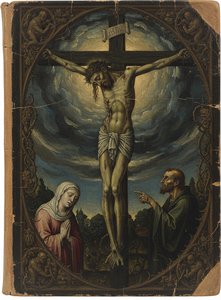
Matthias Grünewald: Devotion, Distortion & Spiritual Turmoil in Renaissance Art
Explore the profound religious art of Matthias Grünewald, master of the Isenheim Altarpiece. Discover his unique expressionism, symbolism & lasting impact on Renaissance painting. A guide for collectors and enthusiasts.

The Enduring Legacy of Oil on Canvas: Technique, History & Aesthetic Impact
Explore the rich history & techniques of oil painting – from Renaissance masters to Impressionism. Discover pigments, layering methods, and why this timeless medium endures. Expert insights for artists & art enthusiasts.

The Enduring Power of Painting: A Historical & Contemporary Exploration of Form and Emotion
Explore the rich history & enduring techniques of oil painting with OriginalUniqueArt. Discover masterpieces, learn about art collecting, and find authentic handmade reproductions crafted by skilled artists.


