 Preview
 Send
Send Share
Share
 Details
 Guide
Guide

 Download
 Similars
 X-Ray
X-Ray Diaporama
 Q&A
Q&A Stats
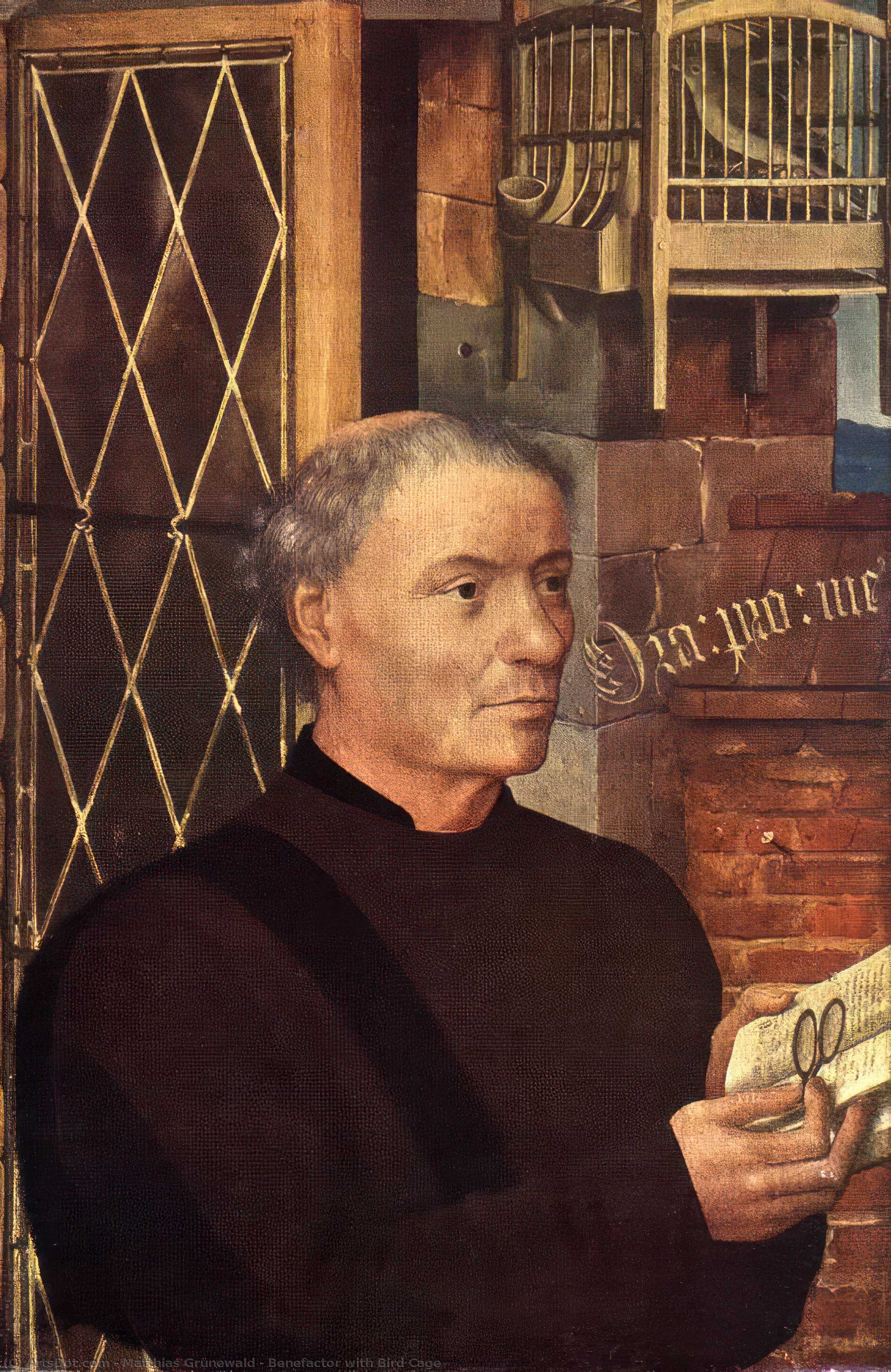
StatsBenefactor with Bird Cage


 Read More
Giclée / Art Print
Museum-quality giclée or canvas print with fast production and flexible finish options. ( Buy Hand Made Painting Switch to Digital Image)




P118B $10

P118H $10

P118W $10

P438Z $10

P508JH $12

P508YH $12

P805H $10

P805Z $10

P919BZ $10

P919G $10

P919XJ $10

P959ZH $10

P968JZ $12

W106C $8

W218G $10

W218JH $8

W218Y $10

W307PJ $10

W316G $10

W316PJ $8

W316Y $10

W398PJ $8

W4111J $10

W500HY $15

W500JH $15

W692G $12

W849H $8

W940BG $15

W953PJ $8




Pick from our preset sizes that match the artwork's original proportions.

Type the width and the height you need, to fit your frame or your wall. A print can only be cut, never made bigger than the picture, so a size with a different shape loses a part of the image. We send you a digital mockup to approve before we print anything. The picture shown on this page does not show the real cut — only the mockup does.
Worldwide Delivery () in 2 weeks instead of standard 4/5 weeks. (4 November)

Free Worldwide Express Shipping

High-Quality Linen Canvas

Full Shipping Insurance

Customs Tax Refund Guarantee

True Color Matching Guarantee

100-Day Return Policy (Defects Only)

100% Money-Back Guarantee

Bulk Discount Offer
 Glass option is only available in size under 110 CM

Benefactor with Bird Cage
Giclée / Art Print
Reproduction Size
-


Total Price
$ 81
A Renaissance Portrait of Contemplation
Matthias Grünewald’s “Benefactor with Bird Cage,” painted in 1515, is a captivating work that transcends a simple portrait. It offers a profound glimpse into the societal values and spiritual anxieties of 16th-century Europe. Currently residing at the Musée des Beaux-Arts in Strasbourg, France, this oil on canvas invites viewers to contemplate themes of wealth, status, freedom, and captivity.
Decoding the Subject & Symbolism
The painting centers around a distinguished gentleman – likely a wealthy patron or influential religious figure. His refined attire immediately communicates his social standing and importance. He holds an exquisitely detailed birdcage, which is far more than a mere accessory; it’s a potent symbol ripe with interpretation. Is the cage indicative of the benefactor's power to control life, or perhaps a reflection on his own limitations despite his affluence? Does it represent the soul’s yearning for liberation, or a commentary on societal constraints? The ambiguity is intentional, prompting ongoing dialogue and personal connection.
Grünewald’s Artistic Style & Technique
Grünewald occupies a unique position in art history, bridging the late medieval period with the burgeoning Renaissance aesthetic. His style masterfully blends realism with spiritual depth. In “Benefactor with Bird Cage,” he employs a rich and nuanced color palette alongside exceptional oil painting technique to create a tangible sense of presence. Subtle gradations of light and shadow sculpt the figure, adding dimensionality and texture to both fabrics and feathers. The meticulous attention to detail, particularly in rendering the intricate birdcage, is a testament to Grünewald’s observational skills and craftsmanship.
Historical Context: The Northern Renaissance & Patronage
Created during the height of the Northern Renaissance, this painting reflects the era's growing emphasis on humanism and individual expression. The rise of affluent patrons fueled artistic innovation, as individuals commissioned works that celebrated their status and piety. Grünewald’s work is deeply rooted in the religious fervor of the time, yet it also demonstrates a keen awareness of contemporary social dynamics. “Benefactor with Bird Cage” serves as an invaluable historical document, offering insights into the values, beliefs, and artistic tastes of 16th-century Europe.
Emotional Resonance & Interpretation
The painting evokes a sense of quiet dignity tempered by underlying melancholy. The benefactor’s composed demeanor suggests authority and refinement, yet his expression hints at the burdens that accompany wealth and responsibility. This emotional complexity elevates the artwork beyond a simple portrait; it becomes a psychological study of a man navigating worldly success and spiritual longing. The ambiguity surrounding the symbolism – particularly the birdcage – encourages viewers to engage in their own personal interpretation.
Display & Reproduction Quality
“Benefactor with Bird Cage” would be a striking addition to both traditional and contemporary interiors. Its muted color palette complements a variety of décor styles, while its intellectual depth adds sophistication to any space. Consider displaying it in a study, library, or dining room to encourage conversation and contemplation.
- Interior Design Tip: The painting’s subdued tones work beautifully with neutral palettes and rich wood finishes.
- Collecting Note: Grünewald's works are increasingly sought after by collectors for their unique blend of religious fervor and Renaissance artistry.
For those seeking to experience the beauty of this masterpiece, high-quality reproductions faithfully capture Grünewald’s original brushstrokes and color nuances, providing an affordable way to own a piece of art history. Explore available works by Matthias Grünewald and discover the enduring legacy of the Northern Renaissance.
Questions & Answers
What luminance does "Benefactor with Bird Cage" by Matthias Grünewald have?
"Benefactor with Bird Cage" by Matthias Grünewald has a dark luminance. Luminance describes how much light the colors appear to reflect.
What feeling does "Benefactor with Bird Cage" bring as a present?
The reflective tone of "Benefactor with Bird Cage" by Matthias Grünewald matches its recommended gift occasion: retirement.
For what occasion is "Benefactor with Bird Cage" by Matthias Grünewald suggested as a present?
As a present, "Benefactor with Bird Cage" by Matthias Grünewald is suggested for retirement. Other occasions can fit as well.
Artist Biography
Matthias Grünewald: Life and Legacy
Early Life and Artistic Beginnings
Matthias Grünewald, born Mathis Gothart Neithardt around 1470-1475 in Würzburg, Germany, was a pivotal figure of the German Renaissance. Despite living during a period increasingly influenced by Italian Renaissance ideals, Grünewald remained deeply rooted in the artistic traditions of late medieval Central Europe. Details about his early life are scarce, but it’s known he received training as an artist, likely within local workshops.
Artistic Development and Influences
Grünewald's artistic development was shaped by the prevailing Northern European traditions of realism, emotional intensity, and detailed observation. His work shows influences from artists like Albrecht Dürer and Martin Schongauer, but he forged a unique path characterized by dramatic expression and vivid color. He wasn’t directly involved with the humanist circles prevalent in Italy; instead, his art served primarily religious purposes, reflecting the spiritual anxieties of his time.
Major Works and Artistic Style
- The Isenheim Altarpiece (1512-1516): This masterpiece, housed at the Musée d'Unterlinden in Colmar, is considered Grünewald’s magnum opus. It depicts scenes from the life of Christ with harrowing realism, particularly focusing on suffering and redemption.
- The Crucifixion (c. 1502-1503): An early work demonstrating his developing style, showcasing intense emotion and anatomical detail.
- Virgin of the Annunciation (1512-14): A study for the Isenheim Altarpiece, revealing his meticulous planning process.
- Moses (1511): A drawing highlighting Grünewald’s skill in capturing expressive figures and dramatic poses.
Grünewald's style is distinguished by:
- Dramatic Composition: He employed dynamic arrangements to heighten emotional impact.
- Vivid Color Palette: His use of intense, often contrasting colors created a powerful visual experience.
- Realistic Depiction of Suffering: Grünewald didn’t shy away from portraying the physical and emotional pain associated with religious narratives.
- Expressive Figures: His figures are imbued with strong emotions and psychological depth.
Historical Significance and Legacy
Grünewald's work stands as a testament to the enduring power of medieval artistic traditions in Germany during the Renaissance. He bridged the gap between the late Gothic style and the emerging Renaissance, creating a unique visual language that resonated with his contemporaries. His influence can be seen in later German artists who continued to explore themes of religious fervor and emotional intensity. While largely forgotten for centuries after his death in 1528, Grünewald experienced a revival in the 19th century, and today he is recognized as one of the most important painters of the German Renaissance. His art continues to captivate viewers with its raw emotion, technical brilliance, and profound spiritual depth.
Further Exploration
Discover more about Matthias Grünewald’s life and works at: OriginalUniqueArt

Matthias Grünewald
1480 - 1528 , Germany
Quick Facts
- Name: Matthias Grünewald
- Movement: German Renaissance, Late Medieval
- Birth Date: c. 1470–1475
- Death Date: 1528
- Birth Place: Würzburg, Germany
- Nationality: German
- Date Of Birth: 1480
- Date Of Death: 1528
- Notable Works: Isenheim Altarpiece, The Crucifixion
- Place Of Birth: Würzburg, Germany
Related Articles

The Enduring Power of Painting: A Historical & Contemporary Exploration of Form and Emotion
Explore the rich history & enduring techniques of oil painting with OriginalUniqueArt. Discover masterpieces, learn about art collecting, and find authentic handmade reproductions crafted by skilled artists.
Matthias Grünewald: Devotion, Distortion & Spiritual Turmoil in Renaissance Art
Explore the profound religious art of Matthias Grünewald, master of the Isenheim Altarpiece. Discover his unique expressionism, symbolism & lasting impact on Renaissance painting. A guide for collectors and enthusiasts.

The Enduring Legacy of Oil on Canvas: Technique, History & Aesthetic Impact
Explore the rich history & techniques of oil painting – from Renaissance masters to Impressionism. Discover pigments, layering methods, and why this timeless medium endures. Expert insights for artists & art enthusiasts.

The Enduring Legacy of Oil on Canvas: Technique, History & Contemporary Practice
Explore the rich history & enduring techniques of oil painting on canvas. Discover the science behind its longevity, conservation practices, and contemporary relevance. Expert insights for art enthusiasts.

Oil on Canvas: A Historical & Technical Exploration of a Timeless Artistic Medium
Explore the rich history & enduring techniques of oil painting on canvas. Discover the science behind its longevity, conservation practices, and contemporary relevance. Expert insights for art enthusiasts.


