
 Buy print
 Send
Send Share
Share
 Details

 Download
 Similars
 X-Ray
X-Ray Diaporama
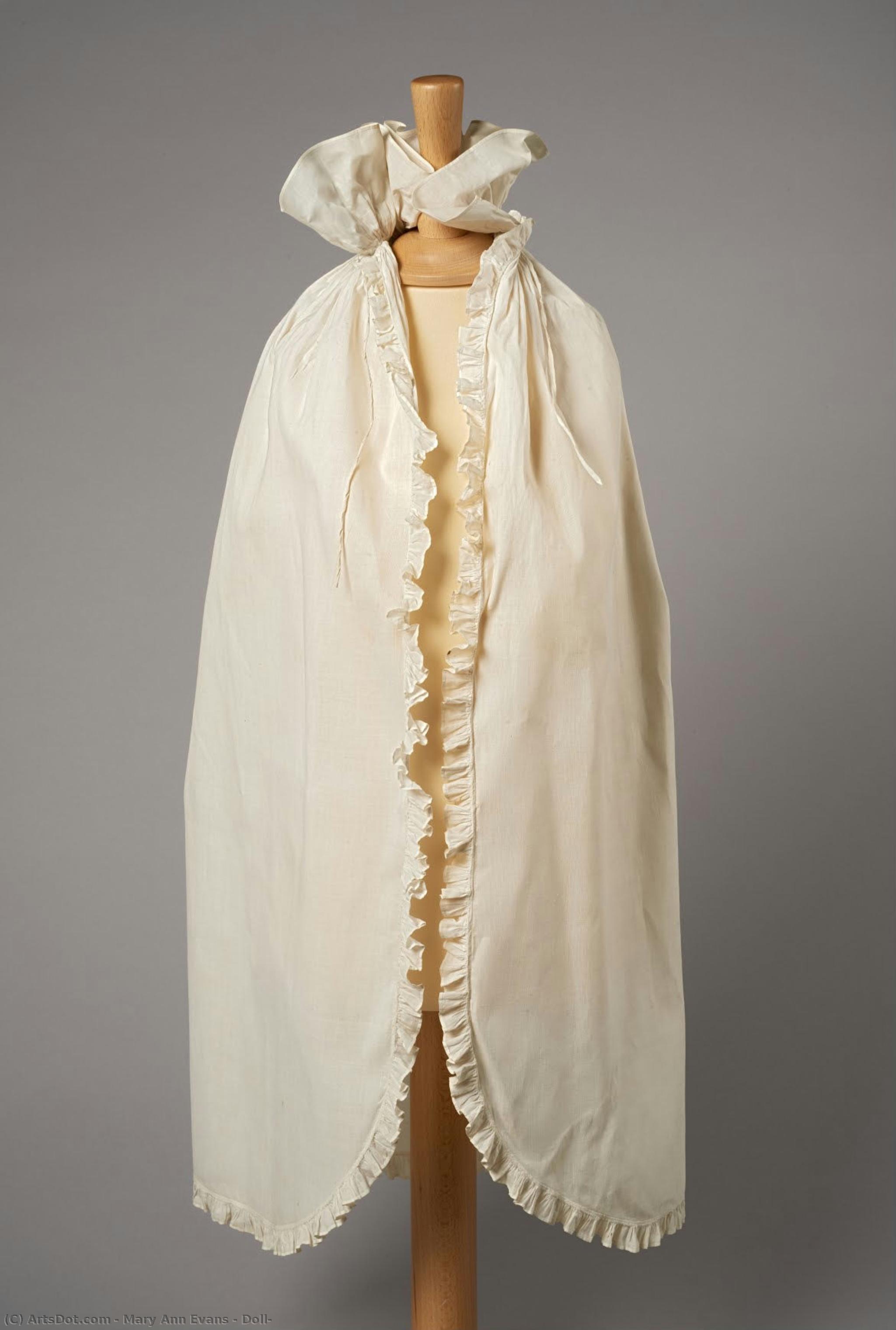
Doll


 Read More
Purchase a high-resolution, enhanced digital image, far superior to the online preview.
Each file is meticulously prepared by our in-house specialists using advanced tools and expert manual retouching. We ensure every image has exceptional clarity, precise color accuracy, and fine detail.
The final file is delivered via email within 72 hours, optimized for immediate use in professional, editorial, and print environments. This is the same quality trusted by top-tier design studios, publishers, and galleries.
Digital Image
Download a high-resolution file for personal display, printing, and creative projects.
Included in Every Digital Image Order
Expert Digital Delivery, Guaranteed
When you choose OriginalUniqueArt.com, you're not just getting an image - you're receiving a professionally enhanced digital artwork, crafted with precision and backed by a satisfaction guarantee. Here's everything that comes with your order, automatically:

Fast Email Delivery
Your high-resolution digital image file will be emailed to you within 72 hours of ordering - ready for immediate use.

AI-Enhanced Digital File
Your artwork is professionally optimized using advanced AI tools and manual editing, ensuring maximum detail, clarity, and color accuracy.

Free Lifetime Re-Delivery
Accidentally deleted or lost your file? No worries - we'll resend it to you anytime, free of charge.

No Import Fees - Ever
Enjoy your artwork instantly with zero customs, duties, or delivery fees - digital downloads are always tax-free.

Color Accuracy Guarantee
We ensure your digital image reflects the original colors as closely as possible using professional tools and color management.

60-Day Satisfaction Guarantee
If you're not satisfied with your digital image, we'll revise it or refund 100% within 60 days - no questions asked.

100% Money-Back Guarantee
Not satisfied? Get a full refund within 60 days of receiving your digital file - no questions asked.

Bulk Order Discounts
Buy 3 images, save 10% - Buy 5, save 15% - Buy 10+, save 20%. Great for creative projects, galleries, and agencies.
Collectible Description
Artist Biography
Mary Ann Evans (George Eliot): A Portrait of Victorian England
Born Mary Ann Evans in Nuneaton, Warwickshire, in 1819, George Eliot’s life was a remarkable transformation—a testament to the power of education and intellectual pursuit. Initially raised in a humble household, her early experiences instilled within her a keen observation of human nature and a deep connection to the rural landscape of England. Her pen name, George Eliot, became a deliberate shield, allowing her to break through the societal constraints placed upon women writers during the Victorian era and establish herself as a serious literary voice.
Evans’s journey began with a challenging childhood marked by poverty and family hardship. However, she received an exceptional education thanks to the generosity of a local benefactor who recognized her potential. This access to learning fueled a lifelong love of reading and writing, laying the foundation for her future success. She worked as a printer's devil and later as a journalist, honing her skills in observation, detail, and narrative—qualities that would prove invaluable in her literary career.
The Rise of George Eliot: Literary Innovation
George Eliot’s novels are celebrated for their unflinching realism, psychological depth, and profound understanding of rural England. Unlike many contemporary writers who focused on romanticized depictions of the countryside, Eliot meticulously portrayed the lives of ordinary people—farmers, laborers, and women—with honesty and empathy. Her works explored complex social issues such as poverty, class divisions, religious hypocrisy, and the changing roles of women in Victorian society.
Her early novels, like *The Mill on the Floss* (1861) and *Adam Bede* (1860), established her reputation for detailed character development and a nuanced portrayal of provincial life. These works demonstrated a remarkable ability to capture the rhythms of rural existence and the emotional lives of its inhabitants. Later, she tackled more ambitious themes in novels such as *Middlemarch* (1871-72) – widely considered one of the greatest English novels ever written – exploring the intricacies of marriage, ambition, and social expectations within a complex community.
Influences and Artistic Style
Eliot’s writing was deeply influenced by her own experiences and observations. She drew heavily on the landscapes and communities she encountered during her travels and spent considerable time immersed in rural life. Her meticulous research—including interviews with local residents and detailed descriptions of settings—contributed to the authenticity of her novels. She also admired the works of novelists like Charles Dickens, but sought to move beyond sentimentality and melodrama towards a more psychologically realistic approach.
Her artistic style is characterized by its precision, clarity, and psychological insight. Eliot’s prose is renowned for its evocative descriptions of nature and its ability to convey complex emotions with subtlety and restraint. She employed a third-person narrator that allowed her to delve into the inner lives of her characters, offering readers intimate access to their thoughts and motivations.
A Legacy of Realism and Social Commentary
George Eliot’s impact on Victorian literature is undeniable. Her novels challenged conventional literary norms and paved the way for a new generation of writers who prioritized realism and psychological complexity. She demonstrated that great art could be found not only in grand narratives but also in the everyday lives of ordinary people.
Furthermore, her work remains remarkably relevant today, prompting ongoing discussions about social justice, gender roles, and the complexities of human relationships. Her legacy is secured through her enduring novels, which continue to captivate readers with their timeless themes and profound insights into the human condition. The connection between George Eliot and Sara Hennell (or Cara Bray), a fellow artist and writer who contributed illustrations for some of her works, adds another layer to her story—a testament to the collaborative spirit within the literary world of 19th-century England.
Further Exploration
- Doll: Explore this evocative artwork depicting a young girl.
- Mary Ann Evans: Discover more about her life and career.
- Thousands are Sailing: Admire this painting capturing a scene of maritime activity.
- Sara Hennell or Cara Bray: Learn about her connection to George Eliot and her watercolor paintings.

mary ann evans
1819 - 1880 , United Kingdom
Quick Facts
- Artistic Movement Or Style: Realist Fiction
- Artists Or Movements Influenced By This Artist: ['Victorian Literature']
- Artists Who Influenced This Artist: ['Sara Hennell/Cara Bray']
- Date Of Birth: 1819
- Date Of Death: 1880
- Full Name: Mary Ann Evans (George Eliot)
- Nationality: British
- Notable Artworks:
- Doll
- Thousands are Sailing
- Place Of Birth: Nuneaton, UK

