
 Preview
 Send
Send Share
Share
 Details

 Download
 Similars
 X-Ray
X-Ray Diaporama
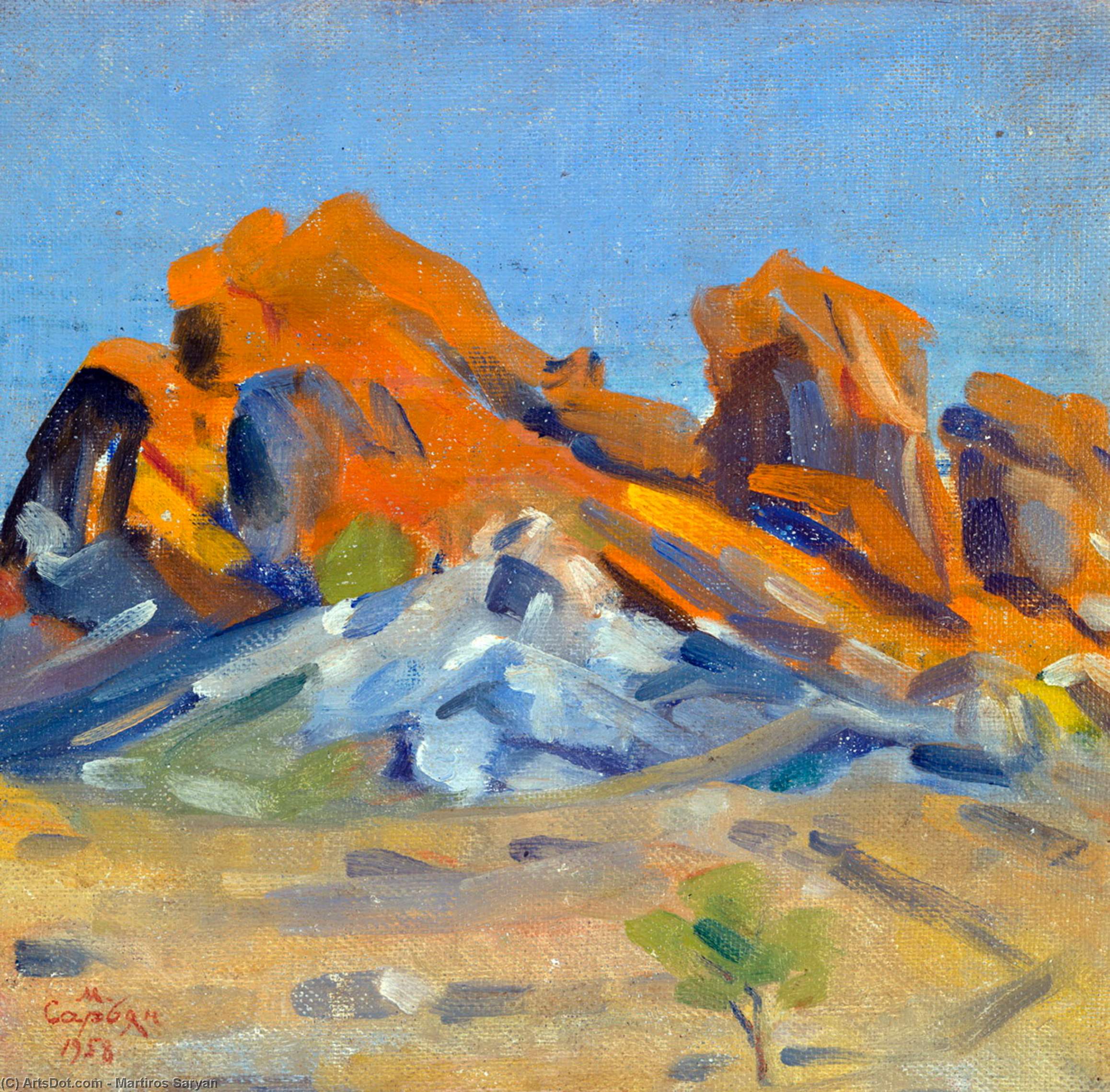
Orange Rocks


 Read More
Purchase a high-resolution, enhanced digital image, far superior to the online preview.
Each file is meticulously prepared by our in-house specialists using advanced tools and expert manual retouching. We ensure every image has exceptional clarity, precise color accuracy, and fine detail.
The final file is delivered via email within 72 hours, optimized for immediate use in professional, editorial, and print environments. This is the same quality trusted by top-tier design studios, publishers, and galleries.
Digital Image
Download a high-resolution file for personal display, printing, and creative projects. ( Buy Print Buy Hand Made Painting)
Included in Every Digital Image Order
Expert Digital Delivery, Guaranteed
When you choose OriginalUniqueArt.com, you're not just getting an image - you're receiving a professionally enhanced digital artwork, crafted with precision and backed by a satisfaction guarantee. Here's everything that comes with your order, automatically:

Fast Email Delivery
Your high-resolution digital image file will be emailed to you within 72 hours of ordering - ready for immediate use.

AI-Enhanced Digital File
Your artwork is professionally optimized using advanced AI tools and manual editing, ensuring maximum detail, clarity, and color accuracy.

Free Lifetime Re-Delivery
Accidentally deleted or lost your file? No worries - we'll resend it to you anytime, free of charge.

No Import Fees - Ever
Enjoy your artwork instantly with zero customs, duties, or delivery fees - digital downloads are always tax-free.

Color Accuracy Guarantee
We ensure your digital image reflects the original colors as closely as possible using professional tools and color management.

60-Day Satisfaction Guarantee
If you're not satisfied with your digital image, we'll revise it or refund 100% within 60 days - no questions asked.

100% Money-Back Guarantee
Not satisfied? Get a full refund within 60 days of receiving your digital file - no questions asked.

Bulk Order Discounts
Buy 3 images, save 10% - Buy 5, save 15% - Buy 10+, save 20%. Great for creative projects, galleries, and agencies.
Collectible Description
The Artist and His Style
Martiros Saryan was an Armenian painter and the founder of a modern Armenian national school of painting. He completed the Nakhichevan school and from 1897 to 1904 studied at the Moscow School of Arts, including in the workshops of Valentin Serov and Konstantin Korovin. His work is heavily influenced by the likes of Paul Gauguin and Henri Matisse. The painting "Orange Rocks" is a beautiful representation of a mountain landscape with red rocks in the foreground. The mountains have a vibrant orange hue, which adds to the overall beauty of the scene. There are several large rocks scattered throughout the image, some closer to the viewer and others further away. In addition to the rocks, there is a tree visible on the right side of the painting, adding a touch of greenery to the otherwise red-dominated landscape. Naive Art is a style of visual art created by self-taught artists who lack formal education and training in the arts. This aesthetic is often emulated by trained artists, resulting in what is called primitivism, pseudo-naïve art, or faux naïve art. As seen on The Naïve Art Movement page on OriginalUniqueArt.com, this style of art is characterized by its simplicity and charm.- The use of vibrant colors and bold brushstrokes
- A focus on everyday life and landscapes
- A sense of innocence and naivety in the artwork
The Yerevan Museum of Modern Art is also a great resource to learn more about the artist's life and work. With its extensive collection of Armenian art, it provides a unique insight into the country's rich cultural heritage.
In conclusion, "Orange Rocks" by Martiros Saryan is a stunning example of Naive Art that showcases the artist's unique style and technique. Its vibrant colors and bold brushstrokes make it a standout piece in the world of art.
Artist Biography
Martiros Saryan: A Voice of Armenia’s Soul
Martiros Saryan, a name synonymous with the vibrant spirit and enduring beauty of Armenian landscape and portraiture, was more than just an artist; he was a conduit for his nation's identity. Born in 1880 in Nakhichevan-on-Don – a region now part of Russia – Saryan’s life unfolded as a remarkable journey through artistic training, international travel, and ultimately, a profound dedication to capturing the essence of Armenia. His work stands as a testament to his deep connection with his homeland, offering viewers an intimate glimpse into its landscapes, traditions, and the resilient spirit of its people.
Saryan’s early years were shaped by a unique upbringing. Raised in a small village, he received his initial artistic instruction from his elder brother, Hovhannes Saryan, a skilled teacher who instilled in him a love for drawing and painting. This foundational training, combined with formal studies at the Moscow School of Arts – including workshops led by the esteemed Valentin Serov and Konstantin Korovin – provided him with a solid technical base while simultaneously exposing him to the burgeoning influences of Post-Impressionism, particularly the evocative styles of Paul Gauguin and Henri Matisse. These encounters proved pivotal, shaping his approach to color, composition, and the expressive potential of brushwork.
Saryan’s artistic trajectory took a significant turn in 1901 when he embarked on his first journey to Armenia. This visit ignited within him an unwavering commitment to portraying his homeland with honesty and passion. He spent considerable time traversing the diverse regions – from the rugged mountains of Lori to the fertile plains of Shirak, the ancient monasteries of Echmiadzin and Haghpat, and the serene shores of Sevan – meticulously documenting their beauty through a series of evocative landscapes. These early works, such as “Makravank” (1902), “Aragats” (1902), and “Buffalo at Sevan” (1903), quickly gained recognition for their vibrant colors, dynamic brushstrokes, and the palpable sense of place they conveyed. They weren’t merely depictions of scenery; they were imbued with a deep emotional resonance, reflecting Saryan's profound connection to his roots.
Following his initial visit, Saryan continued to travel extensively throughout Turkey, Egypt, and Iran during the early 1910s, absorbing diverse artistic influences and broadening his perspective. However, it was his return to Armenia in 1915, amidst the harrowing events of the Armenian Genocide, that marked a turning point in his career. Witnessing firsthand the suffering and displacement of his people fueled an even greater urgency within him to document and preserve the memory of Armenia. He dedicated himself to assisting refugees, providing solace through his art, and creating works that served as poignant reminders of their lost homeland. This period produced some of his most deeply moving paintings, including “Burning Heat with a Dog Running” (1916), which captures the raw emotion of displacement and resilience.
The tumultuous years following World War I saw Saryan navigating the complexities of Soviet Armenia. Despite facing political challenges and restrictions, he remained steadfast in his artistic pursuits, continuing to paint landscapes, portraits, and scenes from Armenian life. He played a crucial role in establishing the Society of Armenian Artists in Tiflis (now Tbilisi), fostering a new generation of artists and promoting Armenian art on an international stage. His design work for the Armenian State Theatre’s curtain stands as a testament to his versatility and artistic vision.
In 1926, Saryan sought inspiration in Paris, but tragedy struck when a fire destroyed much of his Parisian studio and many of his paintings. Undeterred, he returned to Armenia, where he continued to work prolifically until his death in 1972. Today, Martiros Saryan’s legacy endures through the Saryan Museum in Yerevan, which houses an extensive collection of his works, offering visitors a profound opportunity to connect with the heart and soul of Armenia. His art remains a powerful symbol of national identity, artistic innovation, and the enduring spirit of a nation that has faced immense challenges yet continues to radiate beauty and resilience.
Key Characteristics & Artistic Style
Saryan’s distinctive style is characterized by a vibrant palette, bold brushstrokes, and an expressive use of color. He frequently employed techniques reminiscent of Post-Impressionism, particularly the work of Gauguin and Matisse, incorporating elements of Fauvism into his landscapes. His paintings are often imbued with a sense of movement and energy, achieved through dynamic compositions and loose, gestural brushwork. He favored depicting scenes from rural Armenian life – shepherds tending their flocks, villagers engaged in daily activities, and the majestic beauty of the Armenian countryside – capturing not just the visual appearance but also the emotional atmosphere of these settings.
His portraits are equally compelling, revealing a deep understanding of human character. He skillfully captured the essence of his subjects through expressive eyes and subtle gestures, conveying their inner lives with remarkable sensitivity. A recurring motif in his work is the use of light – often warm and golden – which illuminates his scenes and imbues them with a sense of warmth and vitality.
Major Works & Recognition
Among Saryan’s most celebrated works are:
- “Makravank” (1902): A vibrant depiction of the Makravank monastery, showcasing his mastery of color and composition.
- “Aragats” (1902): An iconic image of Mount Aragats, Armenia’s highest peak, symbolizing strength and resilience.
- “Buffalo at Sevan” (1903): A dynamic landscape capturing the beauty of Lake Sevan and its surrounding scenery.
- “Evening in the Garden” (1903): A serene portrayal of an Armenian village garden bathed in the golden light of dusk.
- “In the Armenian Village” (1903): A charming depiction of daily life in a traditional Armenian village.
Saryan’s artistic achievements were widely recognized throughout his career. He was awarded the title of “People’s Artist of the USSR” in 1960 and received numerous accolades, including the Lenin Prize and the Order of Lenin. His work has been exhibited extensively both within Armenia and internationally, solidifying his place as a leading figure in Armenian art.
Historical Significance & Legacy
Martiros Saryan’s contribution to Armenian art is profound and multifaceted. He played a pivotal role in establishing a distinctively Armenian style of painting, moving beyond traditional academic approaches and embracing a more expressive and emotionally resonant form of artistic expression. His work served as a powerful symbol of national identity during a period of significant political and social upheaval, capturing the spirit of Armenia and its people.
His dedication to portraying the beauty of his homeland, particularly in the face of adversity, has made him an enduring icon of Armenian culture. The Saryan Museum in Yerevan stands as a testament to his legacy, offering visitors a chance to immerse themselves in his world and appreciate the depth and richness of his artistic vision. Saryan’s influence continues to be felt by artists today, inspiring them to explore their own cultural heritage and create works that reflect the beauty and complexity of their respective nations.
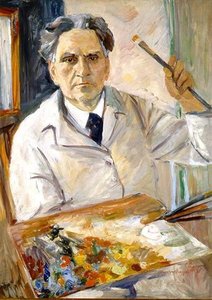
martiros sarian
1880 - 1972 , Russia
Quick Facts
- Artistic Movement Or Style: Modern Armenian art
- Artists Or Movements Influenced By This Artist: ['Armenian painting']
- Artists Who Influenced This Artist:
- Paul Gauguin
- Henri Matisse
- Date Of Birth: Feb 28, 1880
- Date Of Death: May 5, 1972
- Full Name: Martiros Saryan
- Nationality: Armenian
- Notable Artworks:
- Makravank
- Aragats
- Buffalo Sevan
- Place Of Birth: Nakhichevan-on-Don, Russia

