
 Preview
 Send
Send Share
Share
 Details

 Download
 Similars
 X-Ray
X-Ray Diaporama
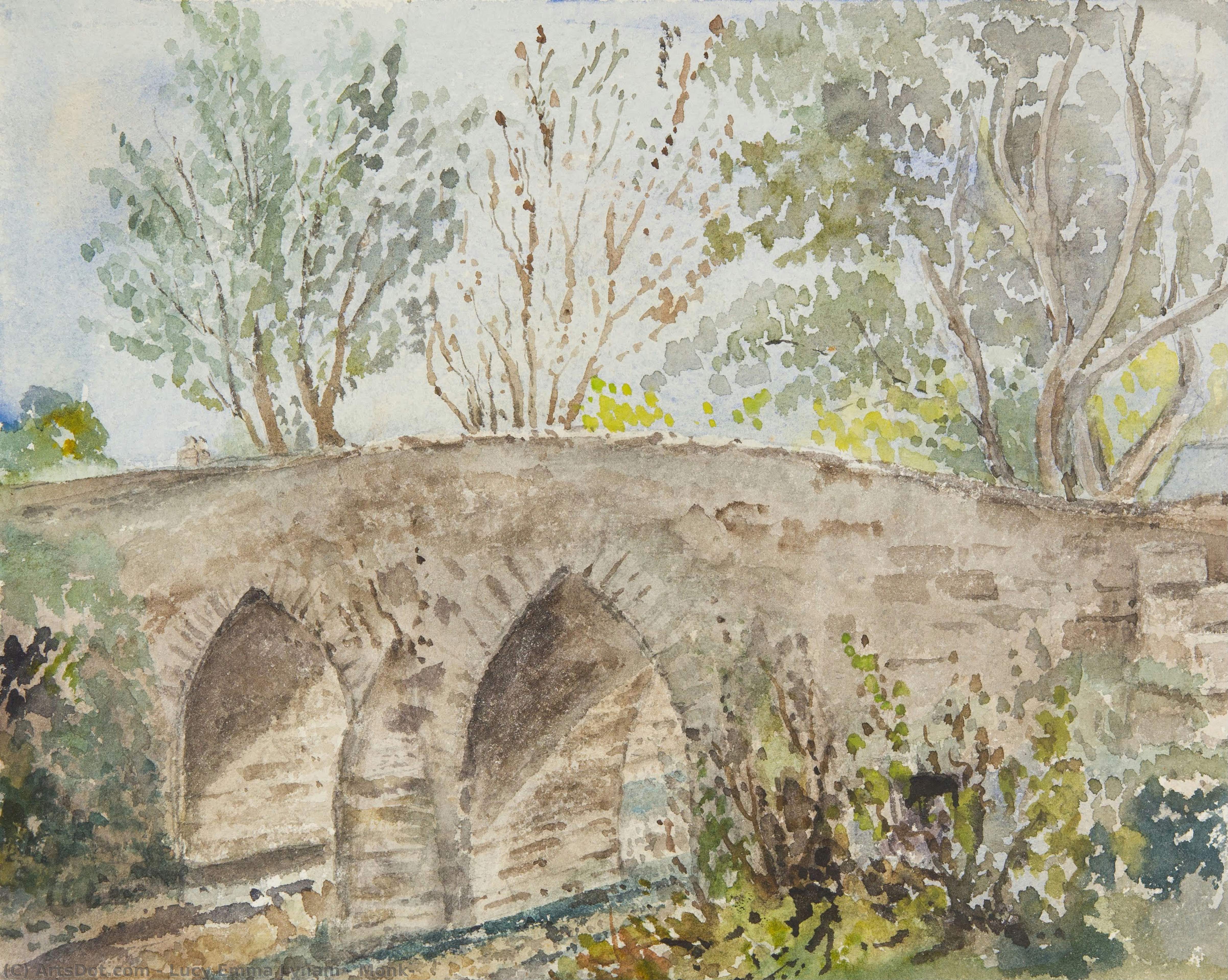
Monk
 Watercolor
- WallArt
 1800
1800- 19th Century
 23.0 x 29.0 cm
 Manx National Heritage
 Read More
Purchase a high-resolution, enhanced digital image, far superior to the online preview.
Each file is meticulously prepared by our in-house specialists using advanced tools and expert manual retouching. We ensure every image has exceptional clarity, precise color accuracy, and fine detail.
The final file is delivered via email within 72 hours, optimized for immediate use in professional, editorial, and print environments. This is the same quality trusted by top-tier design studios, publishers, and galleries.
Digital Image
Download a high-resolution file for personal display, printing, and creative projects. ( Buy Print Buy Hand Made Painting)
Included in Every Digital Image Order
Expert Digital Delivery, Guaranteed
When you choose OriginalUniqueArt.com, you're not just getting an image - you're receiving a professionally enhanced digital artwork, crafted with precision and backed by a satisfaction guarantee. Here's everything that comes with your order, automatically:

Fast Email Delivery
Your high-resolution digital image file will be emailed to you within 72 hours of ordering - ready for immediate use.

AI-Enhanced Digital File
Your artwork is professionally optimized using advanced AI tools and manual editing, ensuring maximum detail, clarity, and color accuracy.

Free Lifetime Re-Delivery
Accidentally deleted or lost your file? No worries - we'll resend it to you anytime, free of charge.

No Import Fees - Ever
Enjoy your artwork instantly with zero customs, duties, or delivery fees - digital downloads are always tax-free.

Color Accuracy Guarantee
We ensure your digital image reflects the original colors as closely as possible using professional tools and color management.

60-Day Satisfaction Guarantee
If you're not satisfied with your digital image, we'll revise it or refund 100% within 60 days - no questions asked.

100% Money-Back Guarantee
Not satisfied? Get a full refund within 60 days of receiving your digital file - no questions asked.

Bulk Order Discounts
Buy 3 images, save 10% - Buy 5, save 15% - Buy 10+, save 20%. Great for creative projects, galleries, and agencies.
Artist Biography
James McNeill Whistler: A Symphony of Light and Shadow
Born in Lowell, Massachusetts, in 1834, James Abbott McNeill Whistler’s artistic journey was a transatlantic odyssey, shaped by diverse influences and culminating in a uniquely evocative style. His early life, marked by a brief sojourn in Russia with his father, a civil engineer working on the railway to Moscow, instilled in him an appreciation for both European and Russian aesthetics. Returning to America, he briefly attended the United States Military Academy at West Point, but found himself drawn away from military pursuits towards the burgeoning world of art. Whistler’s artistic development began formally with drawing lessons under Robert W. Weir, yet his true education unfolded through independent study and a profound engagement with European painting traditions – particularly those of Dutch masters like Rembrandt and Vermeer, alongside Spanish Baroque painters such as Velázquez.
Whistler's arrival in Paris in 1855 proved pivotal. He immersed himself in the Parisian art scene, studying at the “petite école” (the École Royale des Beaux-Arts) and working with Charles Gleyre’s independent atelier. This environment exposed him to a range of artistic approaches, including those of emerging Impressionists like Monet and Renoir. Crucially, Whistler cultivated friendships with figures like Carolus-Duran and Édouard Manet, absorbing their innovative ideas and techniques. His early works, such as *Self-Portrait* (1857–58) and the *Twelve Etchings from Nature* (*The French Set*, 1858), demonstrate a nascent realism tempered by an interest in capturing subtle tonal variations – a foreshadowing of his later aesthetic concerns. He was deeply influenced by the writings of Charles Baudelaire and Théophile Thoré, whose explorations of beauty and sensation resonated with Whistler’s own artistic vision.
The Pursuit of “Art for Art’s Sake”
Whistler's artistic philosophy centered on the concept of "art for art's sake," a radical notion at the time that prioritized aesthetic experience over moral or narrative content. He rejected the prevailing trend of painting with didactic purpose, arguing instead that the primary function of art was to evoke beauty and harmony through careful manipulation of color, light, and form. This approach led him to develop a distinctive style characterized by muted palettes, simplified forms, and an emphasis on tonal relationships – what he termed “sympathy.” His paintings often eschewed traditional subject matter, favoring scenes of urban life, interiors, and portraits that were less concerned with depicting reality than with capturing a specific mood or atmosphere.
This philosophy is vividly illustrated in his most famous work, *Arrangement in Grey and Black No. 1* (1871), commonly known as *Whistler’s Mother*. Initially dismissed by critics for its apparent lack of narrative content, the painting has since become an iconic image, celebrated for its quiet dignity and subtle emotional resonance. Similarly, his nocturnes – paintings depicting scenes at night – exemplify this aesthetic principle. Works like *Nocturne in Black and Gold, the Falling Rocket* (1872) demonstrate Whistler’s ability to capture the ethereal quality of darkness through a masterful orchestration of color and light, transforming a simple train journey into a symphony of visual sensation.
Technique and Innovation
Whistler's technical innovations extended beyond his aesthetic choices. He was a pioneer in the field of printmaking, developing a unique approach to etching that emphasized tonal variations and subtle textures. His prints, such as *Nocturne: Blue and Silver – Chelsea* (1879), demonstrate a remarkable command of line and tone, creating images that are both delicate and powerful. Whistler also experimented with color printing techniques, producing vibrant chromolithographs that showcased his mastery of color theory. He meticulously studied the properties of light and color, applying scientific principles to his artistic practice – a characteristic that further distinguished him from many of his contemporaries.
Legacy and Influence
James McNeill Whistler’s impact on the art world was profound and enduring. He challenged conventional notions of what constituted “good” art, advocating for a more subjective and experiential approach to painting. His writings and lectures helped to shape the aesthetic debates of his time, influencing artists such as Monet, Renoir, and Vincent van Gogh. Furthermore, Whistler’s emphasis on tonal harmony and atmospheric effects paved the way for later developments in Impressionism and Post-Impressionism. He was elected an honorary member of the Royal Academy of Fine Arts, Munich (1892) and became an officer of the Légion d'honneur (1898), recognizing his contributions to French culture. Whistler’s legacy continues to resonate today, reminding us of the power of art to evoke emotion, stimulate imagination, and transcend the limitations of representation.

lucy emma lynam
1834 - , United Kingdom
Quick Facts
- Artistic Movement Or Style: Aestheticism, Tonalism
- Artists Or Movements Influenced By This Artist:
- Aesthetic Movement
- Impressionism
- Artists Who Influenced This Artist:
- Rembrandt
- Vermeer
- Velázquez
- Date Of Birth: July 10, 1834
- Date Of Death: July 17, 1903
- Full Name: James Abbott McNeill Whistler
- Nationality: American-British
- Notable Artworks:
- Arrangement in Grey and Black No. 1
- Whistler’s Mother
- Nocturne in Black and Gold
- Place Of Birth: Lowell, Massachusetts, USA

