
 Preview
 Send
Send Share
Share
 Details

 Download
 Similars
 X-Ray
X-Ray Diaporama
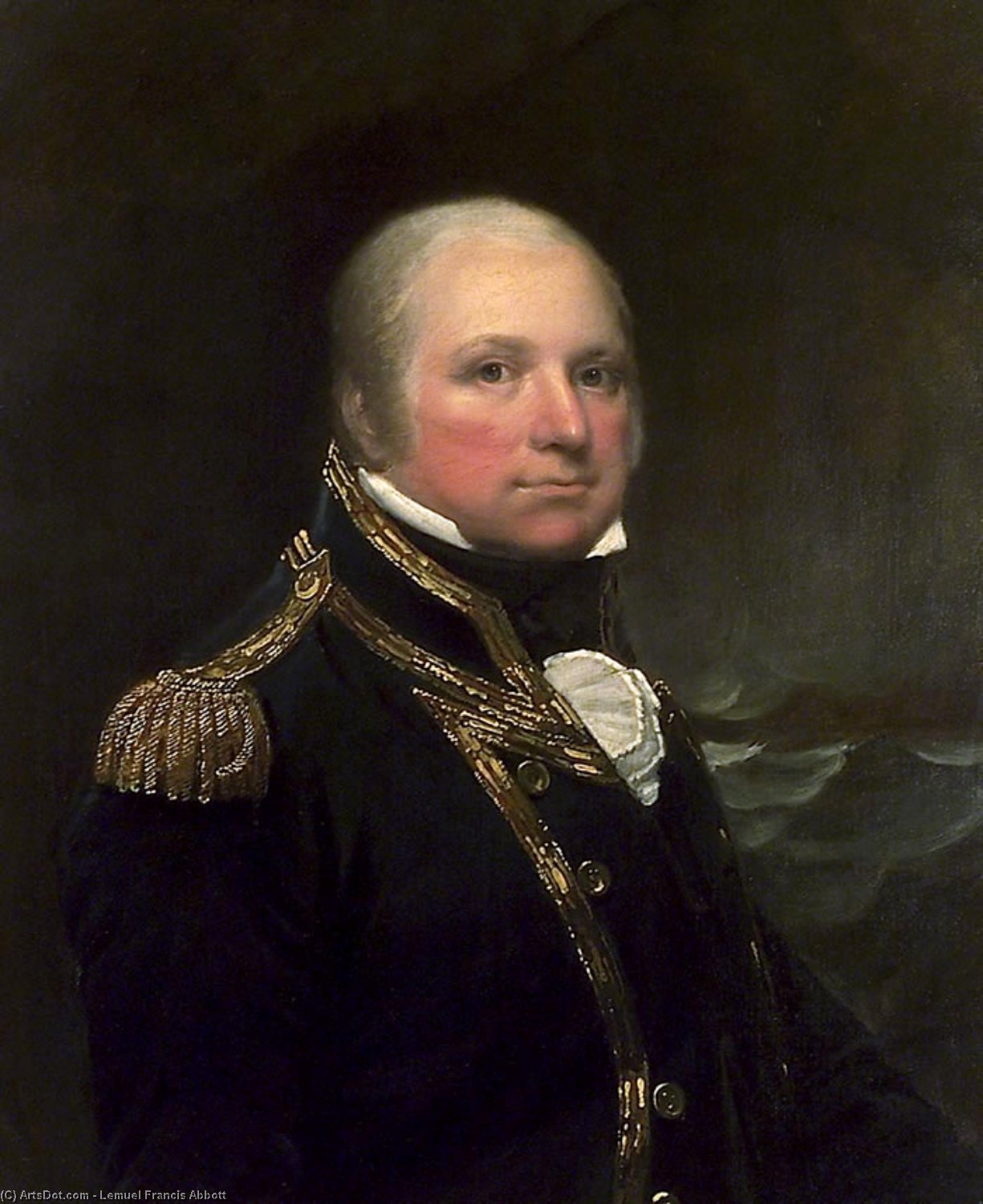
Captain John Cooke
 Read More
Purchase a high-resolution, enhanced digital image, far superior to the online preview.
Each file is meticulously prepared by our in-house specialists using advanced tools and expert manual retouching. We ensure every image has exceptional clarity, precise color accuracy, and fine detail.
The final file is delivered via email within 72 hours, optimized for immediate use in professional, editorial, and print environments. This is the same quality trusted by top-tier design studios, publishers, and galleries.
Digital Image
Download a high-resolution file for personal display, printing, and creative projects. ( Buy Print Buy Hand Made Painting)
Included in Every Digital Image Order
Expert Digital Delivery, Guaranteed
When you choose OriginalUniqueArt.com, you're not just getting an image - you're receiving a professionally enhanced digital artwork, crafted with precision and backed by a satisfaction guarantee. Here's everything that comes with your order, automatically:

Fast Email Delivery
Your high-resolution digital image file will be emailed to you within 72 hours of ordering - ready for immediate use.

AI-Enhanced Digital File
Your artwork is professionally optimized using advanced AI tools and manual editing, ensuring maximum detail, clarity, and color accuracy.

Free Lifetime Re-Delivery
Accidentally deleted or lost your file? No worries - we'll resend it to you anytime, free of charge.

No Import Fees - Ever
Enjoy your artwork instantly with zero customs, duties, or delivery fees - digital downloads are always tax-free.

Color Accuracy Guarantee
We ensure your digital image reflects the original colors as closely as possible using professional tools and color management.

60-Day Satisfaction Guarantee
If you're not satisfied with your digital image, we'll revise it or refund 100% within 60 days - no questions asked.

100% Money-Back Guarantee
Not satisfied? Get a full refund within 60 days of receiving your digital file - no questions asked.

Bulk Order Discounts
Buy 3 images, save 10% - Buy 5, save 15% - Buy 10+, save 20%. Great for creative projects, galleries, and agencies.
Artist Biography
Jean Honoré Fragonard: A Dance of Sensuality and Light
Born in 1732 in Grasse, France, Jean-Honoré Fragonard’s life was a testament to the evolving artistic landscape of the late 18th century. Initially trained within the rigid structure of the Académie Royale de Peinture et de Sculpture, he quickly recognized the limitations of this formal approach and embarked on a path that would ultimately define his unique and enduring legacy – one characterized by a playful exuberance, an embrace of Rococo sensibilities, and a masterful manipulation of light and color. Fragonard’s career wasn't defined by grand historical narratives or solemn portraits; instead, he captured the fleeting moments of pleasure, romance, and idyllic beauty that resonated deeply with the tastes of his aristocratic patrons.
Fragonard’s early years were spent in Paris, absorbing the influences of masters like François Boucher, a prominent figure within the Royal Academy. However, unlike Boucher, who meticulously adhered to academic conventions, Fragonard possessed an innate desire for freedom and experimentation. He sought out opportunities to develop his own distinctive style, often working independently and catering directly to private collectors. This decision proved pivotal, allowing him to cultivate a more intimate relationship with his subjects and to explore the expressive potential of his art in ways that were previously constrained by institutional demands.
His time in Italy between 1756 and 1761 was transformative. He immersed himself in the works of the Baroque masters – Caravaggio, Rembrandt, and even Rubens – meticulously copying their techniques and compositions. These studies weren’t merely exercises in imitation; they provided a foundation for his own artistic development, informing his understanding of light, shadow, and dramatic gesture. Crucially, he didn't simply replicate these masterpieces; he absorbed their spirit and translated it into his own unique vision. The influence of Italian art is particularly evident in the vibrant colors, dynamic compositions, and sensual themes that characterize much of his work.
The Rococo Vision: Sensuality and Playful Narrative
Fragonard’s artistic style is inextricably linked to the Rococo movement, a reaction against the formality and restraint of the preceding Baroque period. Rococo embraced elegance, ornamentation, and a focus on pleasure – values that perfectly aligned with Fragonard's aesthetic sensibilities. His paintings are often characterized by lush landscapes, billowing fabrics, and figures engaged in flirtatious or amorous encounters. These scenes aren’t presented as moralistic pronouncements; rather, they celebrate the joys of love, beauty, and the delights of the natural world.
A key element of Fragonard's style is his masterful use of light. He employed a technique known as “alla prima,” working directly on the canvas without underdrawing or preliminary sketches. This approach allowed him to capture the fleeting effects of sunlight, creating a sense of immediacy and spontaneity. His brushstrokes are loose and expressive, conveying movement and emotion with remarkable fluidity. The dappled light filtering through trees, reflecting off water surfaces, or illuminating figures in intimate moments – these details contribute significantly to the overall atmosphere of his paintings.
His most famous works, such as *The Swing* (1767), exemplify this approach. The painting depicts a young woman being swung by her lover in a secluded garden setting. The scene is bathed in golden light, creating an idyllic and almost dreamlike quality. The figures are rendered with exquisite detail, their expressions conveying a mixture of amusement, desire, and secrecy. It’s a quintessential Rococo image – playful, sensual, and utterly captivating.
A Master of Printmaking and Cabinet Pictures
Fragonard wasn't solely a painter; he was also a highly skilled printmaker. He produced numerous etchings and engravings that served as studies for his paintings or were sold independently to collectors. His prints are characterized by their delicate lines, subtle tonal variations, and remarkable attention to detail. He experimented with various etching techniques, including drypoint and aquatint, achieving a wide range of effects – from sharp contrasts to soft gradations.
Furthermore, Fragonard excelled in the creation of “cabinet pictures” – small-scale paintings designed for private display. These works were often commissioned by wealthy aristocrats who sought to adorn their salons with charming and visually appealing art. Fragonard’s cabinet pictures are particularly notable for their inventiveness and virtuosity. He frequently incorporated fantastical elements, such as mythological figures or exotic animals, into his compositions, creating a sense of wonder and delight.
Legacy and Historical Significance
Despite initial setbacks and critical skepticism, Jean-Honoré Fragonard ultimately achieved widespread recognition during his lifetime. His paintings were highly sought after by collectors and patrons, and he enjoyed considerable fame as one of the leading artists of his generation. His influence extended far beyond his own time, inspiring generations of painters who followed.
Fragonard’s legacy lies not only in his individual masterpieces but also in his contribution to the development of Rococo art. He helped to define the movement's aesthetic principles – its emphasis on sensuality, pleasure, and decorative elegance – and he demonstrated the expressive potential of painting as a medium for capturing fleeting moments of beauty and emotion. His work continues to be admired today for its charm, wit, and technical brilliance, solidifying his place as one of the most beloved and enduring figures in French art history.

lemuel francis abbott
1760 - 1802 , United Kingdom
Quick Facts
- Artistic Movement Or Style: Rococo
- Artists Or Movements Influenced By This Artist: ['Giovanni Battista Piranesi']
- Artists Who Influenced This Artist:
- Antoine Watteau
- François Boucher
- Date Of Birth: 1732
- Date Of Death: 1806
- Full Name: Jean Honoré Fragonard
- Nationality: French
- Notable Artworks:
- Saint Mary Magdalene
- Coresus and Callirhoë
- The Stolen Kiss
- Place Of Birth: Grasse, France

