
 Preview
 Send
Send Share
Share
 Details
 Guide
Guide

 Download
 Similars
 X-Ray
X-Ray Diaporama
 Q&A
Q&A Stats
StatsJudith and Holofernes

- 49.0 x 37.0 cm


 Read More
Giclée / Art Print
Museum-quality giclée or canvas print with fast production and flexible finish options. ( Buy Hand Made Painting Switch to Digital Image)




P118B $10

P118H $10

P118W $10

P438Z $10

P508JH $12

P508YH $12

P805H $10

P805Z $10

P919BZ $10

P919G $10

P919XJ $10

P959ZH $10

P968JZ $12

W106C $8

W218G $10

W218JH $8

W218Y $10

W307PJ $10

W316G $10

W316PJ $8

W316Y $10

W398PJ $8

W4111J $10

W500HY $15

W500JH $15

W692G $12

W849H $8

W940BG $15

W953PJ $8




Pick from our preset sizes that match the artwork's original proportions.

Type the width and the height you need, to fit your frame or your wall. A print can only be cut, never made bigger than the picture, so a size with a different shape loses a part of the image. We send you a digital mockup to approve before we print anything. The picture shown on this page does not show the real cut — only the mockup does.
Worldwide Delivery () in 2 weeks instead of standard 4/5 weeks. (6 November)

Free Worldwide Express Shipping

High-Quality Linen Canvas

Full Shipping Insurance

Customs Tax Refund Guarantee

True Color Matching Guarantee

100-Day Return Policy (Defects Only)

100% Money-Back Guarantee

Bulk Discount Offer
 Glass option is only available in size under 110 CM

Judith and Holofernes
Giclée / Art Print
Reproduction Size
-


Total Price
$ 81
A Vision of Decadence: Moser’s Judith and Holofernes
In the twilight of the early twentieth century, the boundaries between fine art and decorative elegance began to dissolve, giving rise to a movement that celebrated the ornamental as much as the profound. Koloman Moser, a titan of the Vienna Secession, captured this transformative era in his 1916 masterpiece, Judith and Holofernes. This work is not merely a depiction of a biblical narrative; it is a sensory experience that invites the viewer into a world of draped shadows and gilded intensity. The painting presents a striking composition where the human form meets the rhythmic, flowing lines characteristic of the Art Nouveau style, creating a scene that feels both ancient in its mythic weight and strikingly modern in its graphic execution.
The subject matter draws from the dramatic tension of the biblical tale, yet Moser strips away the traditional gore often associated with this story to focus on an intimate, almost theatrical atmosphere. We see a woman poised with a quiet, commanding presence, her form partially veiled by heavy, sweeping curtains that frame the scene like a stage production. The interplay between the figures—one partially obscured, the other seemingly caught in a moment of profound vulnerability—creates a psychological depth that transcends simple storytelling. Through the use of bold reds and warm yellows, Moser bathes the canvas in a glow that feels both inviting and ominous, pulling the observer into the heat of the unfolding drama.
The Mastery of Line and Color
Technically, Judith and Holofernes serves as a testament to Moser’s unparalleled ability to blend graphic precision with painterly warmth. As a founding member of the Wiener Werkstätte, Moser possessed a unique gift for seeing the world through patterns and silhouettes. In this piece, his mastery is evident in the way the fabric folds interact with the light, creating a rhythmic movement that guides the eye across the canvas. The composition is anchored by strong, decisive shapes, yet softened by the delicate, organic flourishes of the Art Nouveau aesthetic. This balance makes the artwork particularly captivating for collectors who appreciate pieces that possess both structural strength and decorative grace.
The color palette is a deliberate choice in emotional manipulation. The dominance of crimson and amber tones evokes a sense of passion, danger, and luxury. For an interior designer, this painting offers a sophisticated focal point; its warm hues can anchor a room with a sense of historical grandeur, while its intricate details provide a layer of complexity that rewards close inspection. Whether placed in a contemporary gallery setting or a classic, richly appointed study, the work radiates a timeless energy that bridges the gap between the classical past and the avant-garde future.
An Eternal Legacy for the Discerning Collector
Owning a reproduction of such a significant piece is an opportunity to bring the spirit of the Vienna Secession into a modern living space. Moser’s work represents a pivotal moment in art history when design became an integrated part of life itself. This painting, with its evocative symbolism and masterful use of light, serves as more than just decoration; it is a conversation piece that speaks to themes of power, destiny, and the beauty found within tension. For those seeking to curate a collection that reflects depth, historical significance, and an appreciation for the exquisite, Moser’s Judith and Holofernes stands as an enduring icon of artistic brilliance.
Questions & Answers
What color palette is used in "Judith and Holofernes" by Koloman Moser?
"Judith and Holofernes" by Koloman Moser uses a dark color palette. The palette summarizes the work's overall color character.
Who is the artist behind "Judith and Holofernes"?
"Judith and Holofernes" is attributed to Koloman Moser.
How intense are the colors in "Judith and Holofernes" by Koloman Moser?
"Judith and Holofernes" by Koloman Moser shows a vivid color intensity.
Artist Biography
Early Life and Education
Koloman Moser, born on March 30, 1868, in Vienna, Austria-Hungary (now part of Croatia), was a pivotal figure in the Austrian art scene, particularly renowned for his contributions to graphic art and as a founding member of the Vienna Secession movement. His artistic journey began with formal studies at the Wiener Akademie and the Kunstgewerbeschule, where he later became an instructor from 1899 onwards. This academic foundation proved crucial in shaping his versatile career across various mediums. Moser’s family background influenced his early exposure to art and design, fostering a keen eye for detail and aesthetics that would define his artistic style.Artistic Contributions: A Multifaceted Career
- Graphic Art: Moser's impact on graphic art is undeniable. He designed postage stamps, magazine vignettes, and other printed materials with distinctive geometric patterns and stylized imagery. His designs were characterized by their clarity, elegance, and innovative use of typography.
- Fashion and Applied Arts: Beyond graphic design, Moser’s talent extended to fashion, stained glass windows, porcelains, ceramics, blown glass, tableware, silver, and jewelry. This demonstrates his commitment to integrating art into everyday life.
- Architecture: His architectural designs, most notably the apse mosaic and glass windows for the Kirche am Steinhof in Vienna (1904), showcase his ability to blend artistic vision with functional design. These works are considered masterpieces of Art Nouveau architecture.
The Wiener Werkstätte and Collaborative Spirit
In 1903, Moser co-founded the Wiener Werkstätte (Vienna Workshop) alongside Josef Hoffmann. This collaborative workshop aimed to create aesthetically pleasing household goods by uniting artists and craftsmen. The Wiener Werkstätte championed a philosophy of “Gesamtkunstwerk” – total work of art – where every aspect of an object, from its design to its production, was carefully considered. Moser’s involvement in the Wiener Werkstätte solidified his commitment to functional beauty and elevated the status of applied arts.Influences, Development, and Legacy
Moser's artistic development was influenced by several key movements, including Art Nouveau, Symbolism, and the Vienna Secession. He drew inspiration from Japanese woodblock prints, which informed his use of flat planes of color and simplified forms. His style evolved over time, becoming increasingly abstract and geometric while retaining a sense of elegance and refinement. Moser’s legacy is cemented by his designs being immortalized on the Austrian 100 Euro Steinhof Church commemorative coin (2005), recognizing his enduring influence on art and design. He died in Vienna in 1918, leaving behind a significant body of work that continues to inspire artists and designers today. His contributions helped shape the course of modern art and design, emphasizing the importance of integrating beauty into everyday objects and spaces.
Koloman Moser
1868 - 1918 , Croatia
Quick Facts
- Full Name: Koloman Moser
- Nationality: Austrian
- Date Of Birth: 1868
- Date Of Death: 1918
- Place Of Birth: Vienna, Croatia
- Notable Artworks:
- Decorating of the facade
- Dancer
- Three crouching women
- The Frog King
- Clash of the Titans
- The Three Graces
- The light
- Artistic Movement Or Style: Vienna Secession
- Artists Or Movements Influenced By This Artist: ['Wiener Werkstätte']
Related Articles

Golden Masterpieces: The Top 25 Greatest Artworks by Gustav Klimt
Explore 25 iconic Gustav Klimt masterpieces from the Golden Phase. Discover museum-quality art on OriginalUniqueArt.com.
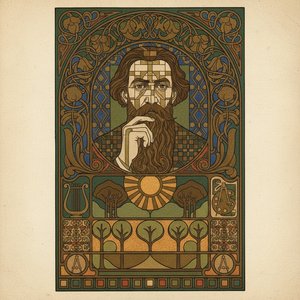
Koloman Moser: A Synthesis of Art Nouveau, Secessionism & the Gesamtkunstwerk Ideal
Explore the life & work of Koloman Moser, a pivotal figure in the Vienna Secession & Wiener Werkstätte. Discover his stunning graphic design, architecture, and applied arts – a true pioneer of Viennese Art Nouveau. Learn more at OriginalUniqueArt.

Crimson Threads of Narrative: Exploring Symbolism & Representation in Artworks Featuring the Red Dress
Explore the rich symbolism of the red dress in art history! From ancient power displays to iconic portraits like Cézanne’s 'Madame Cezanne', discover the cultural and artistic significance behind this captivating color. Expert analysis & insights.
Art Nouveau's Golden Age: 10 Masterpieces for Your Home |
Journey into Art Nouveau's golden age! Explore 10 masterpieces by Klimt, Mucha & more. Discover captivating stories behind iconic paintings, floral motifs & flowing lines. Find museum-quality art reproductions for your home at .

The Vienna Secession: A Rebellion of Form & Spirit in Fin-de-Siècle Art
Discover the revolutionary Vienna Secession art movement! Explore Klimt, Olbrich & more. Learn about its history, characteristics & lasting influence on modern art. High-quality reproductions available.


![Decorative Fabric [“Bird Bülow”]](/media/artworks/images-thumb/fd/12/fd12986dc9b8c66b01e8a0df45e366d6.jpg)


